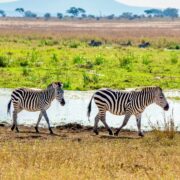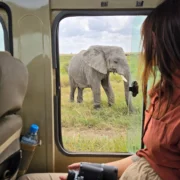
Tanzania is one of the best safari destinations in Africa, offering incredible wildlife experiences, beautiful landscapes, and some of the most famous national parks in the world. From the endless plains of Serengeti National Park to the spectacular Ngorongoro Crater and the elephant-rich landscapes of Tarangire National Park, Tanzania offers unforgettable adventures for visitors.
However, if you are visiting Tanzania for the first time, choosing the right safari route can be challenging. There are several national parks to explore, different safari durations, and various accommodation options. Some travellers have only three days, while others have a week or more to discover the country’s wildlife destinations.
So, what is the best safari route in Tanzania for first-time visitors in 2027?
For most first-time visitors, a Northern Tanzania safari combining Tarangire National Park, Serengeti National Park, and the Ngorongoro Crater is an excellent choice. This route offers opportunities to see elephants, lions, giraffes, zebras, wildebeest, buffaloes, and many other wildlife species.
In this guide, Pale Tours explains the best Tanzania safari routes, recommended itineraries, how many days you need, the best national parks to visit, and how to choose the right safari package for your holiday.
1. What Is the Best Safari Route in Tanzania?
The best safari route for most first-time visitors is the Northern Tanzania Safari Circuit.
This circuit includes some of the country’s most popular wildlife destinations:
- Tarangire National Park
- Serengeti National Park
- Ngorongoro Conservation Area
- Lake Manyara National Park
These destinations offer different landscapes and wildlife experiences, making them ideal for visitors who want to explore Tanzania’s natural beauty.
A classic safari itinerary usually starts in Arusha and continues to Tarangire, Serengeti, and Ngorongoro before returning to Arusha.
The route can be adjusted depending on your travel dates, budget, number of days, and wildlife interests.
For travellers with limited time, a shorter safari can focus on Tarangire and Ngorongoro. If you have five to seven days, adding Serengeti is highly recommended.
2. Which National Parks Should First-Time Visitors Include?
Choosing the right national parks is important because every destination offers a different experience.
Tarangire National Park
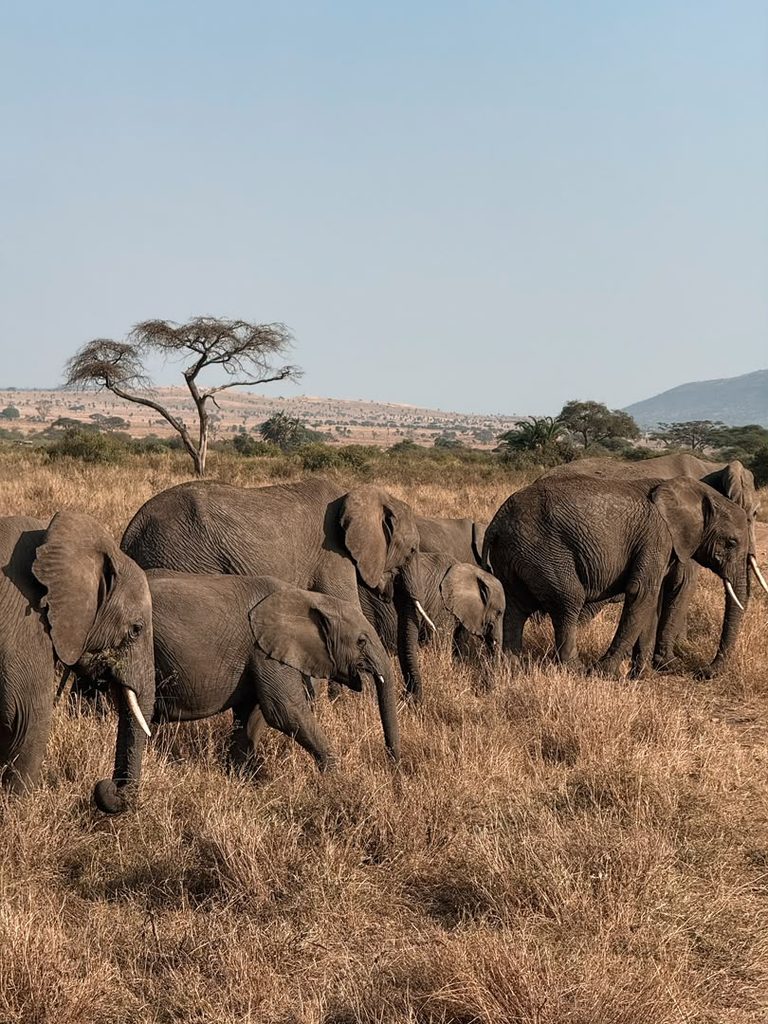
Tarangire National Park is famous for its large elephant populations, ancient baobab trees, and beautiful savannah landscapes.
It is one of the best parks in Tanzania for observing elephants in their natural habitat. Visitors may also encounter lions, giraffes, zebras, wildebeest, buffaloes, and various antelope species.
During the dry season, wildlife often gathers around the Tarangire River, creating excellent opportunities for game viewing.
Tarangire is particularly suitable for travellers starting their safari from Arusha because it can be visited as a day trip or included in a longer safari itinerary.
Why visit Tarangire?
- Excellent opportunities to see elephants.
- Beautiful baobab tree landscapes.
- Diverse wildlife and birdlife.
- Suitable for short and extended safaris.
- A good introduction to Tanzania’s wildlife.
Serengeti National Park
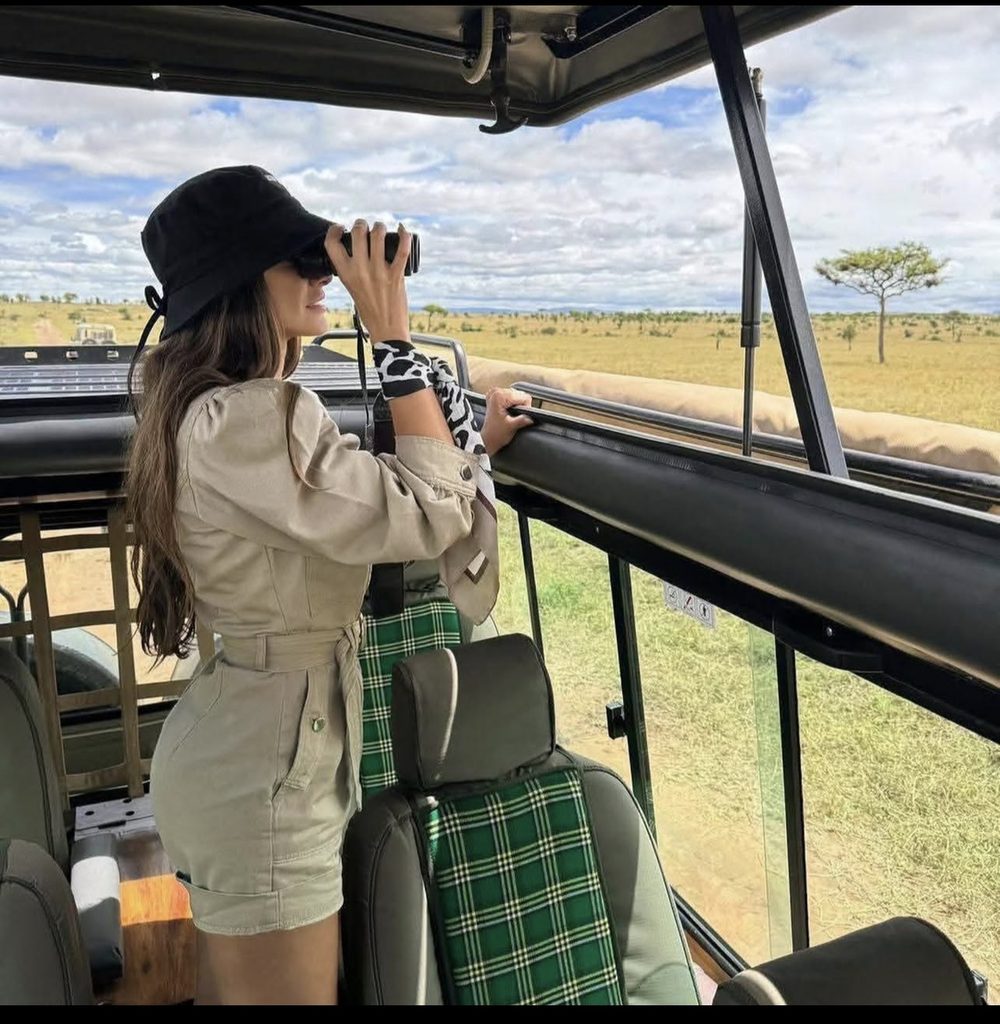
Serengeti National Park is one of Africa’s most famous wildlife destinations.
It is internationally recognised for its vast grasslands, large predator populations, and the Great Wildebeest Migration.
Visitors may see lions, leopards, cheetahs, elephants, giraffes, zebras, hyenas, and large herds of wildebeest.
The Serengeti is also famous for its seasonal wildlife movements. Millions of wildebeest and zebras move across the ecosystem in search of fresh grazing and water.
The location of the migration changes throughout the year. The southern Serengeti is particularly important during the calving season, while the western and northern areas can offer different migration experiences at other times.
Why visit Serengeti?
- Excellent opportunities to observe big cats.
- Famous Great Wildebeest Migration.
- Beautiful open grasslands.
- Large wildlife populations.
- Opportunities for sunrise and sunset game drives.
For first-time visitors who want a classic African safari, Serengeti is one of the most important destinations to include.
Ngorongoro Crater
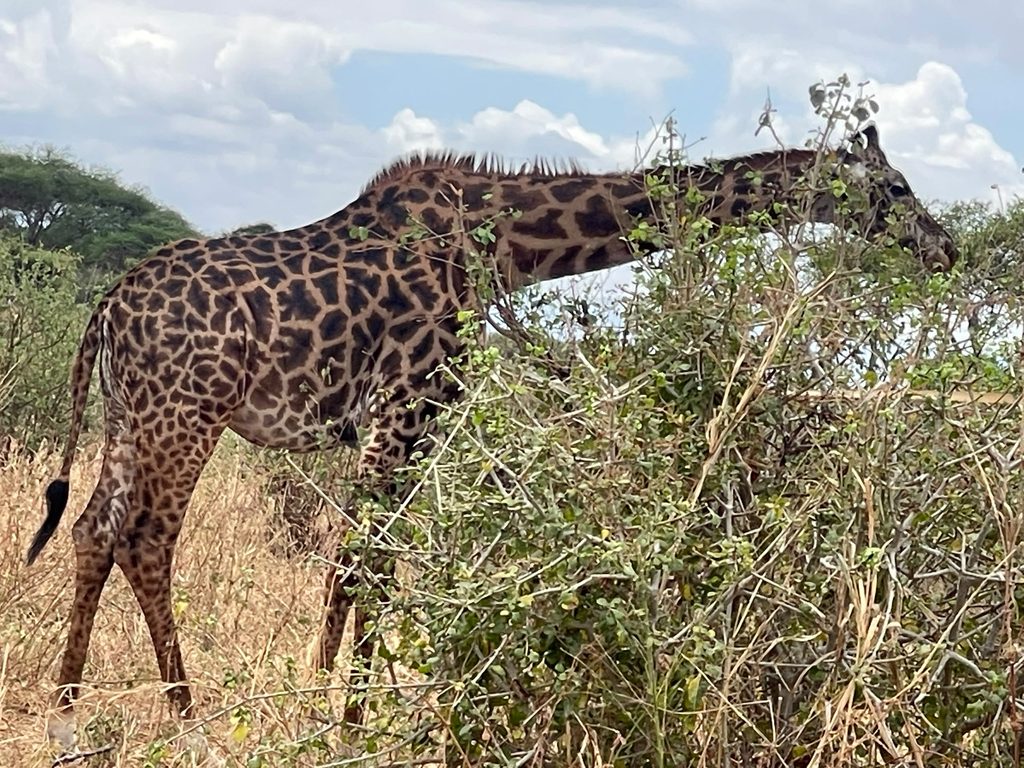
Ngorongoro Crater is one of Tanzania’s most remarkable natural attractions.
The crater is part of the Ngorongoro Conservation Area and is famous for its impressive scenery and concentration of wildlife.
Visitors descend into the crater for a game drive through grasslands, woodland, wetlands, and other habitats.
Wildlife commonly seen includes zebras, wildebeest, buffaloes, elephants, hippos, lions, and hyenas. The crater also offers opportunities to see the endangered black rhinoceros, although sightings are never guaranteed.
A crater game drive is often one of the highlights of a Northern Tanzania safari.
Why visit Ngorongoro?
- Spectacular crater landscapes.
- Excellent wildlife viewing opportunities.
- Possibility of seeing the Big Five.
- A unique ecosystem.
- Ideal for a full-day game drive.
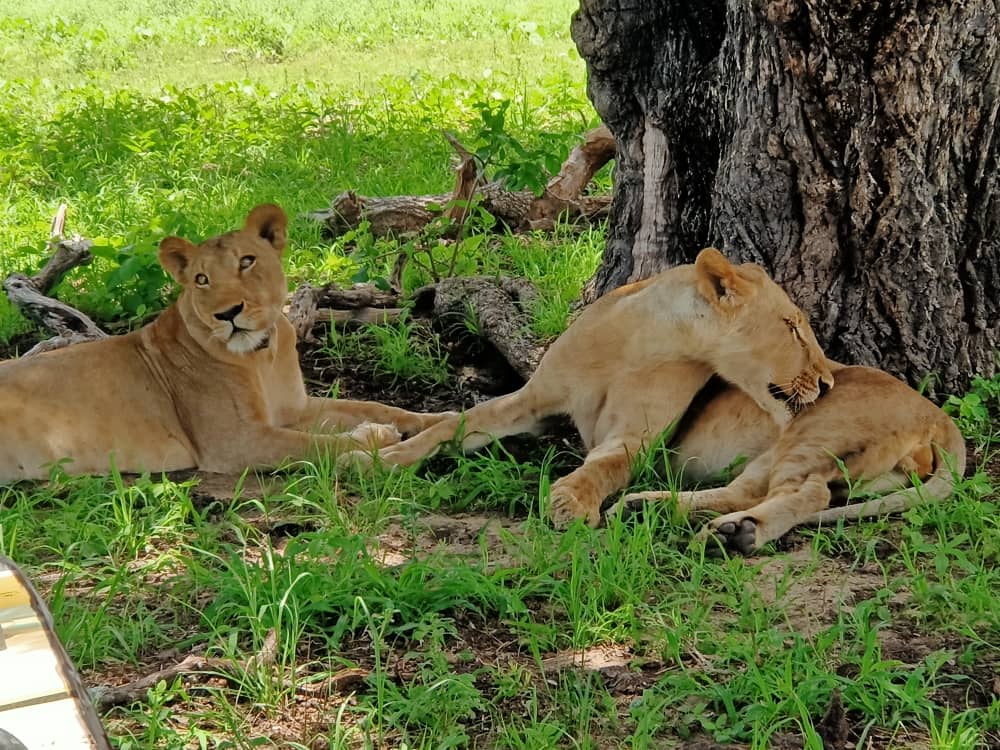
Lake Manyara National Park
Lake Manyara National Park is another destination worth considering.
It is known for its beautiful lake, groundwater forests, birdlife, and diverse landscapes.
Visitors may encounter elephants, giraffes, zebras, buffaloes, baboons, and many bird species.
The park is also associated with tree-climbing lions, although seeing them is not guaranteed.
Lake Manyara can be included in a longer itinerary or visited as part of a shorter safari from Arusha.
Why visit Lake Manyara?
- Beautiful forest and lake scenery.
- Excellent birdwatching opportunities.
- Diverse wildlife.
- Tree-climbing lion habitat.
- Convenient location on the Northern Safari Circuit.
3. Best Tanzania Safari Route for 3 Days
If you have only three days available, you can still enjoy an exciting Tanzania safari.
A three-day itinerary can combine Tarangire National Park, Ngorongoro Crater, and Lake Manyara, depending on your preferences and travel arrangements.
Suggested 3-Day Tanzania Safari Itinerary
Day 1: Arusha to Tarangire National Park
Your safari begins with a morning pickup from your hotel in Arusha.
Travel to Tarangire National Park and enjoy a game drive through the park’s beautiful landscapes.
Look out for elephants, lions, giraffes, zebras, buffaloes, and other wildlife.
After the game drive, continue to your selected lodge or camp for dinner and overnight accommodation.
Day 2: Tarangire to Ngorongoro Conservation Area
After breakfast, depart for the Ngorongoro Conservation Area.
Depending on your itinerary, you may enjoy additional wildlife viewing along the way or visit another destination.
Arrive at your accommodation near the Ngorongoro Highlands and prepare for the following day’s crater experience.
Day 3: Ngorongoro Crater and Return to Arusha
After an early breakfast, descend into Ngorongoro Crater for a game drive.
Explore the crater floor and look for lions, elephants, zebras, wildebeest, buffaloes, and other animals.
Enjoy a picnic lunch during the day before ascending from the crater and returning to Arusha.
Who should choose this itinerary?
This route is suitable for travellers with limited time who want to experience two major wildlife destinations and potentially include Lake Manyara if the schedule allows.
If seeing the Serengeti is a priority, consider a four- or five-day itinerary instead.
4. Best Tanzania Safari Route for 4 Days
A four-day safari offers more opportunities to explore the Northern Circuit.
It can include Tarangire, Serengeti, and Ngorongoro Crater.
Suggested 4-Day Tanzania Safari Itinerary
Day 1: Arusha to Tarangire National Park
Depart from Arusha and drive to Tarangire National Park.
Enjoy a game drive through the park, famous for its elephants, baobab trees, and diverse wildlife.
After the safari, travel to your accommodation for dinner and overnight.
Day 2: Tarangire to Serengeti National Park
After breakfast, travel towards Serengeti National Park through the beautiful landscapes of the Ngorongoro Conservation Area.
Enjoy wildlife viewing along the route and continue to the Serengeti plains.
Depending on your arrival time, enjoy an afternoon game drive.
Dinner and overnight at your selected lodge or tented camp.
Day 3: Full-Day Game Drive in Serengeti National Park
Spend the day exploring Serengeti National Park.
Your guide will take you through different wildlife areas depending on animal movements and seasonal conditions.
Look for lions, elephants, cheetahs, leopards, giraffes, zebras, and wildebeest.
If the Great Migration is taking place in the area, your guide can help you explore locations where herds may be present.
Return to your accommodation after the game drive.
Day 4: Serengeti to Ngorongoro and Return to Arusha
After breakfast, enjoy a morning game drive or begin travelling towards the Ngorongoro area.
Depending on the arrangement, the itinerary may include a crater visit only if sufficient time and the required permits allow it. Otherwise, the crater can be scheduled for a different day.
Return to Arusha according to the agreed itinerary.
Important: A four-day safari combining Serengeti and Ngorongoro requires careful planning. A full crater game drive and a long return journey may be difficult to combine on the same day. Confirm the actual schedule with your tour operator before booking.
5. Best Tanzania Safari Route for 5 Days
Five days is an excellent duration for first-time visitors who want to explore the main highlights of Northern Tanzania without rushing too much.
A five-day itinerary provides more time for Serengeti wildlife viewing and a proper Ngorongoro Crater experience.
Suggested 5-Day Tanzania Safari Itinerary
Day 1: Arusha to Tarangire National Park
Start your safari with a drive from Arusha to Tarangire National Park.
Enjoy a game drive and discover the park’s elephants, baobab trees, and other wildlife.
Overnight at a lodge or camp.
Day 2: Tarangire to Serengeti National Park
After breakfast, travel towards Serengeti via the Ngorongoro Conservation Area.
Enjoy the scenic journey and wildlife viewing along the way.
Arrive in Serengeti and enjoy an afternoon game drive if time permits.
Overnight in Serengeti.
Day 3: Full-Day Serengeti Safari
Spend a full day exploring Serengeti National Park.
Your guide will choose suitable wildlife-viewing areas depending on the season and animal movements.
Enjoy opportunities to observe predators, grazing animals, and the spectacular Serengeti landscape.
Overnight in Serengeti.
Day 4: Serengeti to Ngorongoro Highlands
Enjoy a morning game drive before travelling towards the Ngorongoro Conservation Area.
You may have opportunities to see more wildlife during the journey.
Arrive at your accommodation near the crater for dinner and overnight.
Day 5: Ngorongoro Crater and Return to Arusha
Descend into Ngorongoro Crater for a game drive.
Explore its different habitats and look for wildlife, including lions, elephants, buffaloes, zebras, and potentially black rhinos.
After lunch, return to Arusha.
Who should choose this route?
This itinerary is a strong option for first-time visitors who want a combination of elephants, big cats, the Serengeti ecosystem, and the Ngorongoro Crater.
6. Best Tanzania Safari Route for 7 Days
If you have seven days available, you can enjoy a more relaxed and detailed Northern Tanzania safari.
A seven-day safari allows more time for Serengeti exploration and flexibility to follow seasonal wildlife movements.
Suggested 7-Day Tanzania Safari Itinerary
Day 1: Arrival in Arusha
Arrive at Kilimanjaro International Airport and transfer to your hotel in Arusha.
Depending on your arrival time, relax and prepare for your safari.
Day 2: Arusha to Tarangire National Park
Travel to Tarangire National Park and enjoy a full game drive.
Discover elephants, giraffes, zebras, lions, and the park’s impressive baobab trees.
Overnight near Tarangire.
Day 3: Tarangire to Serengeti National Park
After breakfast, travel through the Ngorongoro Conservation Area towards Serengeti.
Enjoy wildlife viewing along the way and arrive in the Serengeti for an afternoon game drive if time allows.
Overnight in Serengeti.
Day 4: Full-Day Serengeti Safari
Spend the day exploring the Serengeti plains.
Your guide will help identify wildlife and select suitable areas for game viewing.
Overnight in Serengeti.
Day 5: Another Day in Serengeti National Park
Enjoy another full day in Serengeti.
Having additional time gives you more opportunities to explore different areas and observe wildlife behaviour.
Your route can be adjusted according to the location of the Great Migration, seasonal conditions, and wildlife sightings.
Overnight in Serengeti.
Day 6: Serengeti to Ngorongoro Highlands
Enjoy a morning game drive before travelling towards Ngorongoro.
Arrive at your accommodation and relax before the crater visit.
Day 7: Ngorongoro Crater and Return to Arusha
After breakfast, descend into the crater for a game drive.
Enjoy the scenery and look for the different animals living within the crater ecosystem.
After your picnic lunch, return to Arusha.
Why choose seven days?
Seven days gives you more time to explore the Serengeti, reduces the pressure of rushing between destinations, and provides a better opportunity to experience the diversity of Northern Tanzania.
7. What Is the Best Time to Follow the Tanzania Northern Safari Circuit?
Tanzania offers safari opportunities throughout the year, but the best time depends on what you want to experience.
June to October: Dry Season
The dry season is one of the most popular periods for wildlife safaris.
Vegetation becomes thinner in many areas, and animals often gather around water sources.
This period is particularly popular for visiting Tarangire, Serengeti, and Ngorongoro.
The northern Serengeti may also offer opportunities to observe the Great Migration and river-crossing activity, depending on the herds’ movements.
January to March: Calving Season
The southern Serengeti and Ndutu area are important locations during the wildebeest calving season.
Large numbers of wildebeest gather in the region, and visitors may have opportunities to observe newborn calves and predator activity.
This is an excellent period for travellers interested in the migration and wildlife photography.
April to May: Green Season
These months are generally associated with heavier rainfall.
The landscape becomes green and beautiful, and some areas are quieter than during peak safari months.
However, rain can affect road conditions and travel schedules.
November to December: Short Rains
Short rains often occur during this period, although conditions vary.
It can be a good time for travellers who want beautiful scenery and potentially fewer visitors in some destinations.
Remember that the Great Migration is a natural movement. No tour operator can guarantee the exact location of the herds or a river crossing on a particular day.
8. Is a Private Safari Better Than a Group Safari?
First-time visitors often wonder whether they should choose a private safari or join a group safari.
Both options have advantages.
| Feature | Private Safari | Group Safari |
|---|---|---|
| Vehicle | Private 4×4 vehicle | Shared 4×4 vehicle |
| Guide | Dedicated guide | Shared guide |
| Schedule | More flexible | Follows group itinerary |
| Cost | Usually higher | Usually more affordable |
| Wildlife viewing | More flexibility | Shared with other guests |
| Best for | Couples, families and private groups | Budget-conscious travellers |
Private Safari
A private safari gives you greater flexibility. You can travel with your own group, discuss your interests with your guide, and arrange the itinerary around your preferences.
It is particularly suitable for couples, families, photographers, and travellers celebrating special occasions.
Group Safari
A group safari is generally more affordable because the vehicle and some operating costs are shared among participants.
It is a good option for solo travellers, friends, and couples who want to experience Tanzania without paying the full cost of a private vehicle.
Before booking, ask about the expected group size, accommodation arrangements, pickup points, and whether the safari is operated by one company or coordinated with other local operators.
9. How Much Does a Tanzania Safari Cost?
The price of a Tanzania safari depends on several factors, including:
- Number of safari days.
- Number of travellers.
- National parks included.
- Accommodation category.
- Private or group arrangement.
- Travel season.
- Park and conservation fees.
- Transport and guide services.
A short safari may cost less overall than a seven-day itinerary, but the daily cost can vary depending on the accommodation and number of people sharing the vehicle.
For example, a budget camping safari, a mid-range lodge safari, and a luxury lodge safari can have significantly different prices even when they visit the same national parks.
When comparing safari quotations, check whether the following are included:
- 4×4 safari vehicle.
- Professional English-speaking safari guide.
- Park and conservation fees.
- Accommodation.
- Meals during the safari.
- Drinking water.
- Game drives.
- Airport transfers, if agreed.
Also check exclusions such as international flights, travel insurance, tips, personal expenses, and optional activities.
Do not choose a safari based only on the lowest advertised price. Make sure you understand the services and accommodation included.
10. Where Should I Start My Tanzania Safari?
Most Northern Tanzania safaris start in Arusha.
Arusha is a convenient base for travellers visiting Tarangire, Lake Manyara, Ngorongoro, and Serengeti.
Visitors can arrive through Kilimanjaro International Airport (JRO) or Arusha Airport (ARK), depending on their flight arrangements.
Kilimanjaro International Airport is a major international gateway, while Arusha Airport is mainly used for domestic and regional flights.
If you arrive at JRO, you can arrange a transfer to your hotel in Arusha before starting your safari.
Some itineraries can also be arranged from Moshi, depending on the route and travel schedule.
11. What Should First-Time Safari Visitors Pack?
Packing the right items helps make your safari more comfortable.
Recommended items include:
- Lightweight, comfortable clothing.
- Neutral-coloured shirts and trousers.
- A warm jacket for early morning game drives.
- Comfortable walking shoes.
- Sunglasses and a sun hat.
- Sunscreen.
- Insect repellent.
- Personal medication.
- Binoculars.
- Camera and extra batteries.
- Reusable water bottle.
- Small daypack.
If your itinerary includes a domestic flight to or from Serengeti, check the airline’s luggage restrictions before travelling.
It is also useful to bring a small bag for personal belongings during game drives.
12. Should I Combine a Tanzania Safari with Zanzibar?
Yes. Combining a Northern Tanzania safari with a Zanzibar beach holiday is one of the most popular ways to experience Tanzania.
After several days exploring wildlife destinations, you can fly to Zanzibar and enjoy beautiful beaches, turquoise waters, cultural experiences, and relaxing coastal accommodation.
A popular combination is:
- 4 or 5 days Northern Tanzania safari.
- 1 day travelling to Zanzibar.
- 3 or 4 days relaxing and exploring Zanzibar.
In Zanzibar, you can visit Stone Town, explore spice farms, take a boat trip to Mnemba Island, visit Prison Island, or relax on beaches such as Nungwi and Kendwa.
Domestic flight schedules and prices vary, so it is important to plan your safari departure and Zanzibar arrival carefully.
13. How Do I Choose the Right Tanzania Safari Package?
Before booking your safari, consider the following questions:
How many days do you have?
Three days may be suitable for a short wildlife experience, while five to seven days offer more opportunities to explore the Northern Circuit.
Which animals do you want to see?
If you are interested in elephants, Tarangire is an excellent choice. If you want to explore big-cat habitats and the Great Migration, Serengeti should be a priority.
What is your budget?
Your budget will influence the accommodation, safari duration, and whether you choose a private or group safari.
When are you travelling?
The season can influence which Serengeti region is most suitable for your itinerary.
Who are you travelling with?
Couples, families, solo travellers, and groups may have different accommodation and transportation requirements.
A good safari itinerary should balance travel time, wildlife viewing, accommodation, and your personal interests.
14. Book Your Tanzania Safari with Pale Tours
At Pale Tours, we help travellers discover the beauty of Tanzania through professionally organized safari experiences.
Based in Arusha, we arrange Northern Tanzania safaris to some of the country’s most famous wildlife destinations.
Our safari experiences include:
- Tarangire National Park.
- Serengeti National Park.
- Ngorongoro Crater.
- Lake Manyara National Park.
- Private wildlife safaris.
- Shared group safaris.
- Lodge and camping safari packages.
Our safari vehicles are open-roof 4×4 Land Cruisers designed for wildlife viewing. They are equipped with facilities such as charging points, drinking water, and a fridge.
We can help you select an itinerary based on your travel dates, group size, accommodation preferences, and budget.
Whether you have three days or a full week, we can help you plan a memorable Tanzania safari.
Frequently Asked Questions About Tanzania Safari Routes
1. What is the best safari route in Tanzania for first-time visitors?
The Northern Tanzania Safari Circuit is an excellent choice. It combines Tarangire National Park, Serengeti National Park, and Ngorongoro Crater.
2. How many days do I need for a Tanzania safari?
Three days can provide a short safari experience, but five to seven days are recommended for travellers who want to explore more destinations and spend additional time in Serengeti.
3. Is Serengeti better than Ngorongoro?
Both destinations offer different experiences. Serengeti is famous for its vast plains, predators, and Great Migration, while Ngorongoro is known for its spectacular crater scenery and concentrated wildlife.
4. Can I visit Tarangire and Ngorongoro in three days?
Yes. A three-day itinerary can include both destinations, with the remaining time arranged for travel and accommodation. Lake Manyara may also be considered depending on the schedule.
5. Is four days enough for Serengeti?
Four days can include Serengeti, but travel distances are significant. A five-day or longer itinerary usually provides more time for game drives and a better opportunity to enjoy the park.
6. What is the best month to visit Serengeti?
Serengeti can be visited throughout the year. January to March is important for the calving season in the southern ecosystem, while June to October is popular for dry-season wildlife viewing and migration activity in different regions.
7. Can I see the Big Five in Tanzania?
Tanzania is home to the Big Five: lion, leopard, elephant, buffalo, and rhinoceros. However, sightings are never guaranteed. A combination of Serengeti and Ngorongoro offers opportunities to search for these animals.
8. Is a group safari cheaper than a private safari?
Generally, yes. Group safaris share vehicle and operating costs among participants, making them more affordable than private arrangements.
9. Can I start my safari from Kilimanjaro International Airport?
Yes. Airport pickup can be arranged from Kilimanjaro International Airport, depending on your itinerary and arrival time.
10. Can I combine a Tanzania safari with Zanzibar?
Yes. Many visitors combine a Northern Tanzania safari with a beach holiday in Zanzibar. Domestic flights can connect the safari region with the island.
11. Is Lake Manyara worth visiting?
Lake Manyara offers beautiful scenery, birdlife, forest habitats, and diverse wildlife. Whether to include it depends on your available time and other destinations in your itinerary.
12. Should I choose lodge accommodation or camping?
Lodge accommodation is suitable for travellers who prefer more comfort and facilities. Camping is often a more budget-friendly option, although facilities vary between campsites.
Conclusion
Choosing the best Tanzania safari route depends on your available time, travel budget, wildlife interests, and preferred accommodation.
For first-time visitors, the Northern Tanzania Safari Circuit is one of the strongest options. Tarangire offers excellent elephant viewing, Serengeti provides vast wildlife landscapes and opportunities to experience the Great Migration, while Ngorongoro Crater offers a unique safari environment.
If you have three days, you can enjoy a shorter safari. If you have five to seven days, you can explore more destinations and spend additional time in Serengeti.
Start planning your 2027 Tanzania adventure with Pale Tours and discover the wildlife, landscapes, and unforgettable experiences that make Tanzania one of Africa’s leading safari destinations.