How Many Days Does It Take to Climb Mount Meru?
Mount Meru is one of Tanzania’s most rewarding mountain trekking destinations. Located inside Arusha National Park, it reaches approximately 4,566 metres above sea level and offers beautiful views of the surrounding landscapes and, on clear days, Mount Kilimanjaro.
One of the most common questions travellers ask before booking is: How many days does it take to climb Mount Meru?
Most Mount Meru climbing trips take three or four days. The four-day itinerary is a popular option because it allows a more gradual ascent and additional time to adjust to the increasing altitude.
In this guide, Pale Tours explains the different trekking durations, what happens each day, where you sleep and how to choose the right itinerary.
1. How Many Days Do You Need to Climb Mount Meru?
You generally need three or four days to climb Mount Meru, depending on your itinerary and physical preparation.
The most common options are:
- 3-day climb: A shorter and more demanding schedule.
- 4-day climb: A more gradual schedule with additional time for acclimatisation.
Both itineraries follow the Momella Route and involve staying in mountain huts.
Your choice should depend on your fitness, previous hiking experience and how comfortably you want to approach the summit.
2. Is a 3-Day Mount Meru Climb Possible?
Yes, a three-day Mount Meru climb may be available depending on the operator’s itinerary and current park arrangements.
However, it is a demanding option because the schedule is compressed and provides less time for gradual acclimatisation.
A shorter climb may suit experienced hikers who are comfortable with long walking days, but it is not automatically the best option for everyone.
Before choosing three days, discuss the itinerary with your operator and consider the altitude challenges.
3. What Is the 4-Day Mount Meru Climbing Itinerary?
A four-day Mount Meru climb is a popular choice for travellers who want a more gradual trekking experience.
Day 1: Momella Gate to Miriakamba Hut
Your adventure begins with a transfer to Momella Gate in Arusha National Park.
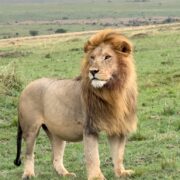
After registration and meeting the mountain team, you begin walking through forest and open landscapes. You may encounter wildlife such as giraffes, buffaloes and zebras along the lower sections of the route.
An armed ranger accompanies the group where required by park regulations.
You continue to Miriakamba Hut, where you spend the night.
Day 2: Miriakamba Hut to Saddle Hut
After breakfast, you continue climbing towards Saddle Hut.
The trail becomes steeper as you pass through different vegetation zones and enjoy views of the surrounding mountain scenery.
After arriving at Saddle Hut, you have time to rest and prepare for the summit attempt.
Depending on the itinerary and conditions, your guide may recommend a short acclimatisation walk before dinner.
Day 3: Summit Attempt and Descent to Miriakamba Hut
The summit attempt usually starts around midnight.
You climb towards Socialist Peak, the highest point of Mount Meru at approximately 4,566 metres.
The final ascent is challenging because of the steep terrain, cold temperatures and high altitude.
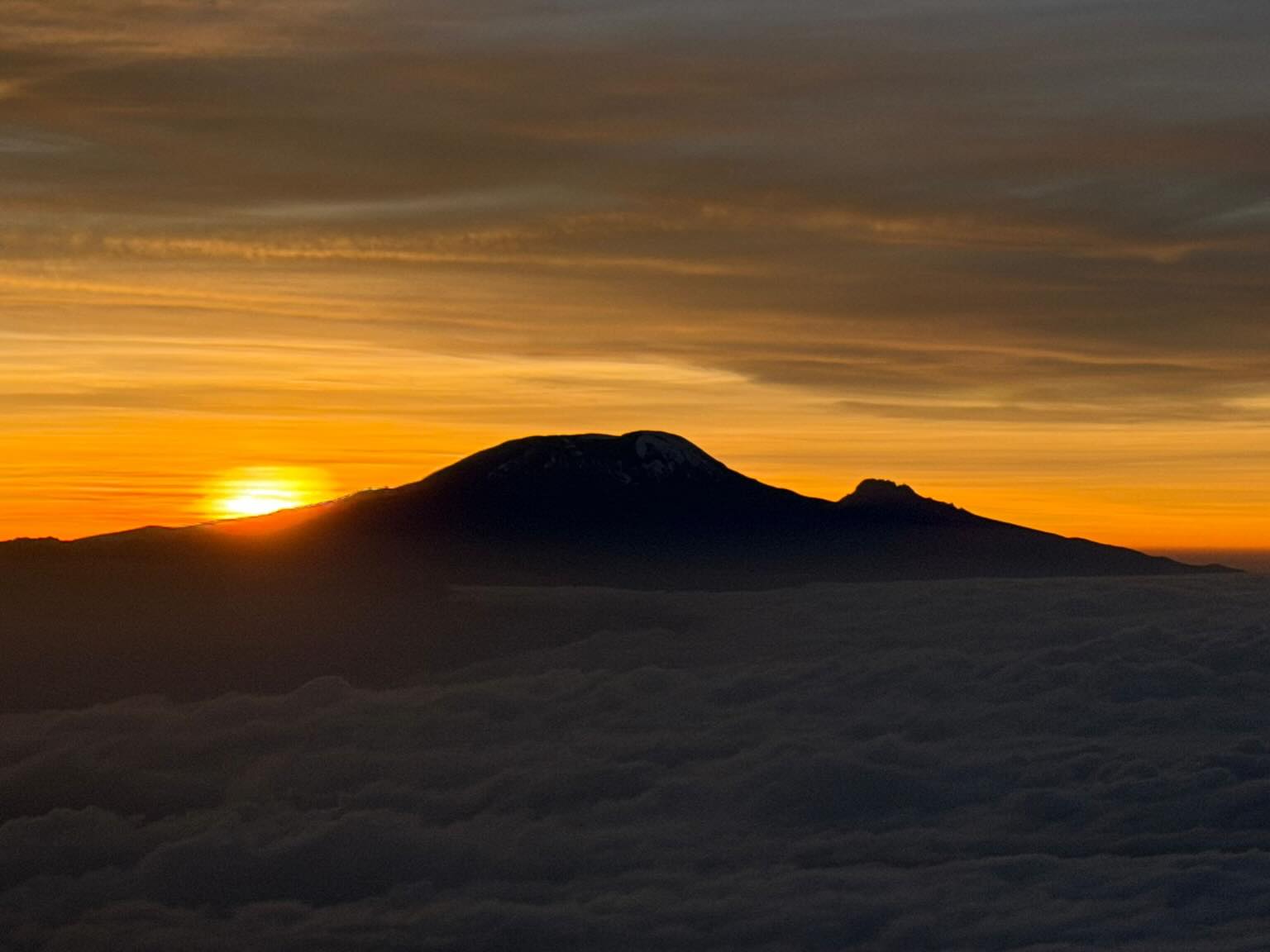
If weather conditions are favourable, you may enjoy sunrise and views of Mount Kilimanjaro.
After reaching the summit, you descend towards Miriakamba Hut for the night.
Day 4: Miriakamba Hut to Momella Gate
After breakfast, you descend through the forest towards Momella Gate.
Once you arrive, your Mount Meru trekking adventure comes to an end. Your driver can then transfer you to your hotel in Arusha or another agreed destination.
4. Which Is Better: 3 Days or 4 Days?
For most travellers, the four-day itinerary is the preferred option.
| Feature | 3-Day Climb | 4-Day Climb |
|---|---|---|
| Duration | Shorter | More gradual |
| Hiking schedule | More compressed | More balanced |
| Acclimatisation | Less time | More time |
| Physical demand | Generally higher | More spread out |
| Recommended for | Experienced hikers | Most travellers |
The four-day option gives you more time to adjust to the altitude, although no itinerary can completely eliminate the risk of altitude sickness.
5. Where Do You Sleep During the Climb?
Mount Meru climbers normally stay in mountain huts rather than camping in tents.
The main overnight stops include:
- Miriakamba Hut.
- Saddle Hut.
These huts provide basic accommodation for trekkers. Facilities are simple, so you should not expect the same comfort as a hotel or safari lodge.
Your tour operator should explain the accommodation arrangements and sleeping equipment requirements before the climb.
6. How Long Do You Walk Each Day?
Walking hours depend on your pace, weather, trail conditions and the selected itinerary.
The first and second days involve several hours of hiking. Summit day is usually the longest and most demanding because you begin around midnight and continue towards the summit before descending.
Your guide will manage the pace and recommend rest breaks along the way.
7. Is Four Days Enough to Acclimatise?
Four days provides a more gradual climbing schedule than a compressed itinerary, but altitude adaptation varies from person to person.
Even physically fit hikers can experience altitude sickness.
To reduce risks:
- Walk slowly and avoid rushing.
- Drink enough water.
- Follow your guide’s instructions.
- Report headaches, nausea, dizziness or unusual tiredness.
- Do not continue ascending if you develop concerning altitude symptoms.
If serious symptoms develop, descent and medical assessment may be necessary.
8. What Is the Best Time to Climb Mount Meru?
The commonly preferred climbing periods are January to March and June to October.
These periods generally offer more favourable trekking conditions, although rain and changing mountain weather are possible throughout the year.
During rainy periods, trails may become muddy and slippery, and visibility can be reduced.
Always check the expected weather conditions before departure.
9. Can You Combine Mount Meru with a Tanzania Safari?
Yes. Mount Meru can be combined with a wildlife safari in northern Tanzania.
After completing your climb, you can arrange a safari to destinations such as:
- Tarangire National Park.
- Serengeti National Park.
- Ngorongoro Conservation Area.
- Lake Manyara National Park.
The number of safari days depends on your budget, available time and wildlife interests.
You can also spend time exploring Arusha before or after your mountain adventure.
10. What Should You Pack for a 4-Day Mount Meru Climb?
Prepare suitable clothing and equipment for changing mountain temperatures.
Recommended items include:
- Hiking boots.
- Warm jacket.
- Waterproof jacket and trousers.
- Thermal clothing.
- Hiking trousers.
- Warm gloves.
- Hat or beanie.
- Headlamp.
- Sunglasses.
- Sunscreen.
- Reusable water bottle.
- Personal toiletries.
- Sleeping bag.
- Daypack.
- Personal medication.
Ask your operator for a complete packing list and confirmation of any equipment supplied.
11. Can Beginners Choose the 4-Day Mount Meru Itinerary?
Yes. The four-day itinerary can be a suitable option for beginners who have reasonable fitness and prepare properly.
Although it provides a more gradual schedule, Mount Meru remains a high-altitude mountain. Beginners should practise hiking and uphill walking before travelling to Tanzania.
Previous hiking experience is helpful, but the most important factors include preparation, a suitable pace and following professional guidance.
12. How Do You Choose the Right Mount Meru Climbing Package?
Before booking, compare the itinerary and services included in each package.
Check whether the price includes:
- Park entrance and applicable conservation fees.
- Required ranger arrangements.
- Professional mountain guide.
- Mountain hut accommodation.
- Meals during the climb.
- Drinking water arrangements.
- Transport to and from Momella Gate.
- Porter support, where arranged.
- Government taxes and other applicable charges.
Not every package includes the same services. Always request a written quotation with a clear list of inclusions and exclusions.