What Happens If It Rains During a Tanzania Safari?
Planning a Tanzania safari is an exciting experience, but many travellers have one important question before booking: what happens if it rains during a Tanzania safari?
Tanzania is famous for its beautiful national parks, incredible wildlife, and unforgettable game drives. However, weather conditions can change, and rain is sometimes part of the safari experience. The good news is that rain does not necessarily mean your safari activities will stop. In many situations, you can continue exploring the national parks and enjoy excellent wildlife viewing.
Whether you are visiting Serengeti National Park, Ngorongoro Crater, Tarangire National Park, or Lake Manyara, understanding how rain affects a safari will help you prepare for your trip.
In this guide, Pale Tours explains what to expect when it rains during a Tanzania safari, how it affects wildlife viewing, what to pack, and how your safari guide manages changing weather conditions.
1. Can You Still Go on a Tanzania Safari When It Rains?
Yes. In many cases, game drives continue even when it rains.
Safari vehicles used in Tanzania are generally designed for wildlife viewing in different weather conditions. Most safari Land Cruisers have a pop-up roof that allows guests to stand or sit comfortably while observing animals.
Light rain or short showers do not usually prevent game drives from taking place. Your guide will assess the road and weather conditions before deciding whether it is safe to continue.
However, heavy rain, flooding, or dangerous road conditions may require changes to the planned activities.
2. Does Rain Affect Wildlife Viewing in Tanzania?
Rain can influence wildlife activity, but it does not mean animals disappear from the national parks.
During rainy weather, you may still see:
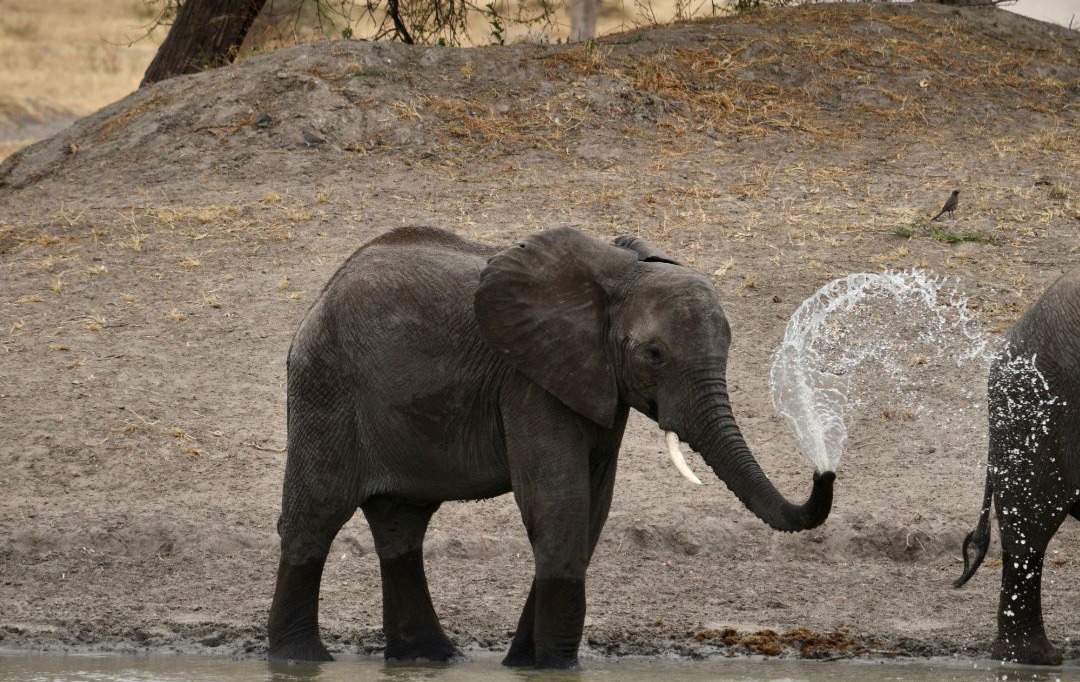
- Elephants moving through the grasslands
- Giraffes feeding on trees
- Zebras grazing in open areas
- Buffaloes gathering near water sources
- Lions resting or moving through the vegetation
- Hippos in rivers and water pools
- Various bird species
Wildlife sightings depend on several factors, including the location, season, vegetation, and animal movements.
Rain can sometimes make certain areas more difficult to explore, but it can also create beautiful scenery and interesting opportunities for photography.
3. Which Months Are Rainy in Tanzania?
Tanzania generally experiences two main rainy periods, although rainfall patterns vary between regions and years.
Long Rainy Season: March to May
The long rains usually occur between March and May. Rainfall can be heavier during this period, and some roads in remote areas may become muddy or difficult to access.
Travellers visiting during these months should be prepared for changing weather conditions.
Short Rainy Season: November to December
The short rains generally occur around November and December. These rains are often less prolonged than the long rainy season, although weather conditions can vary.
Safari activities can still take place during this period, depending on local conditions.
Dry Season: June to October
The period from June to October is generally considered the dry season in many northern Tanzania safari destinations.
Rain is usually less frequent, and wildlife viewing can be excellent. However, occasional showers are still possible, so travellers should not assume that every day will be completely dry.
4. Does Rain Make Safari Roads Difficult?
Yes. Rain can affect road conditions, especially in remote areas and parts of the national parks.
Some roads may become muddy, slippery, or challenging to drive through. In certain locations, heavy rainfall can cause temporary flooding or make specific routes inaccessible.
This is why having an experienced safari guide and a suitable 4×4 safari vehicle is important.
Your guide will consider the road conditions and may choose an alternative route to help keep the journey safe and enjoyable.
The condition of the roads can differ between parks. For example, a route that is accessible in dry weather may become more challenging after heavy rainfall.
5. Can I See the Great Wildebeest Migration During the Rainy Season?
The Great Wildebeest Migration is a natural wildlife movement that takes place throughout the year across the Serengeti ecosystem and neighbouring areas.
Rainfall influences the availability of fresh grass and water, which can affect the movement of wildebeest and other grazing animals.
However, the migration does not follow an exact calendar. Its location changes according to environmental conditions.
Travellers interested in seeing the migration should choose their safari dates and itinerary based on the expected seasonal movement of the herds rather than assuming that rain alone determines where the animals will be.
6. What Should I Pack for a Tanzania Safari During the Rainy Season?
Packing suitable clothing is important when travelling during the rainy season.
Here are some useful items to bring:
- Lightweight waterproof jacket
- Comfortable walking shoes
- Extra socks
- Quick-drying clothing
- Waterproof bag for electronics
- Camera rain cover
- Hat or cap
- Insect repellent
- Personal medication
- Small towel
It is also useful to bring clothing that can be worn in layers because temperatures may change between early morning, afternoon, and evening.
If you are travelling during March, April, May, November, or December, carrying rain protection is a sensible precaution.
7. Are Safari Vehicles Waterproof?
Safari vehicles provide protection from rain, but the level of protection depends on the vehicle design and whether the roof and windows are closed.
Many Tanzania safari vehicles have pop-up roofs for wildlife viewing. These roofs can be closed when necessary to provide better protection from rain.
Your guide can also help you adjust your seating and roof arrangements depending on the weather.
Although safari vehicles are designed for outdoor travel, guests should still carry waterproof jackets and protect cameras, phones, and other personal belongings.
8. Is It Worth Visiting Serengeti During the Rainy Season?
Yes. Visiting Serengeti National Park during the rainy season can be rewarding for travellers who are flexible with their plans.
The landscape often becomes greener, and the scenery can be particularly beautiful for photography.
Depending on the season and location, visitors may experience:
- Green grasslands
- Beautiful cloud formations
- Young wildlife in certain areas
- Active birdlife
- Fewer visitors in some periods
- Different wildlife-viewing experiences
However, some roads may be challenging after heavy rainfall, and certain camps or routes may have seasonal operating arrangements.
It is important to select an itinerary that matches the travel dates and current conditions.
9. What Happens If Heavy Rain Interrupts a Game Drive?
If heavy rain makes driving unsafe or prevents access to a particular area, your guide may pause the game drive or adjust the itinerary.
Possible changes include:
- Waiting for the rain to become lighter
- Choosing a safer road
- Exploring another accessible area
- Returning to the lodge or camp
- Adjusting the timing of the next game drive
The priority should always be guest safety.
The exact arrangements depend on the weather, park conditions, accommodation location, and safari itinerary.
10. Is the Rainy Season Good for Photography?
Yes. Rainy weather can create beautiful photography opportunities.
The green landscapes, dramatic skies, reflections, and fresh scenery can make Tanzania look very different from the dry season.
Photographers may enjoy capturing:
- Elephants against green grasslands
- Zebras in lush landscapes
- Giraffes beneath cloudy skies
- Birds around seasonal water pools
- Dramatic African sunsets after rainfall
However, protecting your camera and lenses from moisture is important. A waterproof camera bag or rain cover can help protect your equipment.
11. Is a Tanzania Safari Cheaper During the Rainy Season?
Safari prices can sometimes be lower during quieter travel periods, particularly during parts of the long rainy season.
Some lodges and camps may offer seasonal rates or special promotions. However, prices depend on accommodation availability, park fees, the itinerary, and the travel dates.
Not every safari package is automatically cheaper during rainy months.
If you are flexible with your travel dates, ask your tour operator to compare available safari options and accommodation rates.
12. Should I Cancel My Tanzania Safari If It Rains?
Not necessarily. Rain is a normal part of Tanzania’s climate, and many safaris operate successfully during rainy periods.
Before cancelling your trip, consider:
- Whether the rain is light or heavy
- Which national parks are included
- The condition of the roads
- Whether your accommodation is operating
- Advice from your safari operator
- Whether alternative routes are available
If conditions are safe, you may still enjoy an unforgettable wildlife experience.
Your tour operator can provide guidance based on the latest information available for your travel dates.
13. Is a Private Safari Better During the Rainy Season?
A private safari can offer greater flexibility when weather conditions change.
With a private safari, the itinerary can often be adjusted more easily according to your interests, road conditions, and wildlife sightings.
For example, your guide may recommend spending more time in an accessible wildlife area or adjusting the timing of a game drive.
A group safari can also be enjoyable during the rainy season, but itinerary changes may need to accommodate the preferences and schedule of other travellers.
The best option depends on your budget, travel style, and expectations.
Frequently Asked Questions About Rain During a Tanzania Safari
1. Can safari vehicles drive in the rain in Tanzania?
Yes. Suitable 4×4 safari vehicles can operate in many rainy conditions. However, heavy rain and unsafe road conditions may require route changes or delays.
2. Will I see animals if it rains during my safari?
Yes. Many animals remain active during rainy weather. Wildlife sightings depend on the location, season, and animal movements.
3. Is April a good month for a Tanzania safari?
April falls within the long rainy season. It can offer green landscapes and quieter travel periods, but heavy rainfall may affect some roads and safari activities.
4. Does it rain every day during the rainy season?
No. Rainfall varies by location and year. Some days may have short showers, while others may experience heavier or longer periods of rain.
5. Can I visit Ngorongoro Crater when it rains?
Yes, visits can take place during rainy periods, subject to weather and road conditions. Your guide will assess whether it is safe to proceed.
6. Should I bring an umbrella on safari?
A lightweight waterproof jacket is often more practical because it allows you to move comfortably. A small umbrella can also be useful in some situations.
7. Is the rainy season good for a family safari?
It can be a good experience for families who are prepared for changing weather. Choosing suitable accommodation and discussing travel conditions with your operator is important.
8. Can rain affect the Great Wildebeest Migration?
Rainfall influences grass growth and water availability, which can affect animal movements. However, the migration follows natural patterns and does not occur according to fixed dates.