How Difficult Is Climbing Mount Meru in Tanzania? Complete Hiking Guide
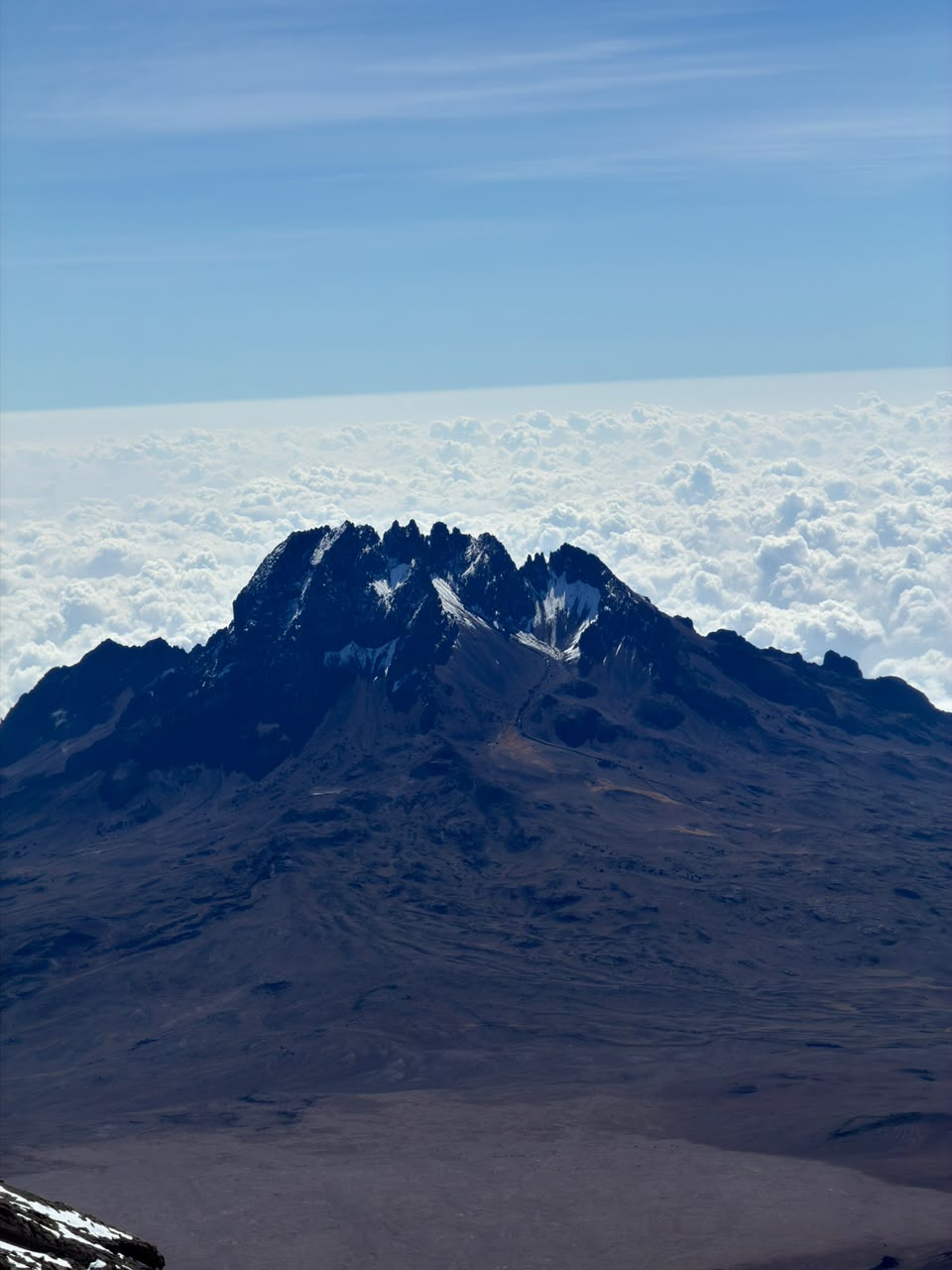
Mount Meru is one of the most beautiful mountains in Tanzania and an excellent destination for travellers looking for a challenging but rewarding mountain adventure. Located inside Arusha National Park, Mount Meru rises to approximately 4,566 metres (14,980 feet) above sea level, making it the second-highest mountain in Tanzania after Mount Kilimanjaro.
Many travellers ask, how difficult is climbing Mount Meru in Tanzania? The climb is considered moderately difficult to challenging because of its steep trails, high altitude, long hiking days and demanding summit night. Although it is generally less crowded than Kilimanjaro, reaching the summit still requires good physical preparation, determination and proper acclimatisation.
Mount Meru is also popular among hikers preparing for Mount Kilimanjaro because it offers an opportunity to experience high-altitude trekking before attempting Africa’s highest mountain.
In this guide, Pale Tours explains the difficulty of climbing Mount Meru, the number of days required, fitness requirements, altitude challenges, accommodation, and how to prepare for a successful trekking experience.
How Difficult Is Climbing Mount Meru?
Climbing Mount Meru is moderately difficult to challenging. It does not require technical climbing skills under normal trekking conditions, but hikers should be prepared for several hours of walking each day and a demanding final ascent.
The main challenges include:
- High altitude and reduced oxygen levels.
- Steep and uneven mountain trails.
- Long hiking distances.
- Cold temperatures near the summit.
- A demanding summit night that usually begins around midnight.
- Physical and mental fatigue during the final ascent.
The difficulty depends on your fitness level, hiking experience, health, weather conditions and how your body responds to altitude.
People who regularly exercise and have some hiking experience may find the trek manageable, but beginners should not underestimate the challenge.
How High Is Mount Meru?
Mount Meru reaches approximately 4,566 metres above sea level. Its elevation makes it a high-altitude mountain, and climbers can experience altitude-related symptoms as they approach the summit.
As you climb higher, the amount of available oxygen decreases. This can make ordinary activities such as walking uphill feel more difficult.
Some common altitude-related symptoms include:
- Headaches.
- Shortness of breath.
- Dizziness.
- Loss of appetite.
- Nausea.
- Difficulty sleeping.
- Unusual tiredness.
Climbers should follow their guide’s instructions and report any symptoms immediately. Severe or worsening symptoms require prompt descent and medical assessment.
How Many Days Does It Take to Climb Mount Meru?
Most Mount Meru climbing itineraries take three or four days, depending on the route schedule and trekking arrangement.
A four-day itinerary is commonly recommended because it provides more time for gradual ascent and acclimatisation.
A typical four-day Mount Meru itinerary may look like this:
Day 1: Momella Gate to Miriakamba Hut
After registration at Momella Gate, you begin trekking through the beautiful landscapes of Arusha National Park. Along the way, you may see wildlife such as giraffes, buffaloes and different bird species. An armed ranger accompanies the group where required by park regulations.
Day 2: Miriakamba Hut to Saddle Hut
The trail becomes steeper as you climb through forest and moorland vegetation. You continue towards Saddle Hut, where you spend the night before the summit attempt.
Day 3: Summit Attempt and Descent to Miriakamba Hut
The summit climb normally starts around midnight. You hike towards Socialist Peak, the highest point of Mount Meru, and experience sunrise from the mountain if weather conditions allow. After reaching the summit, you descend towards Miriakamba Hut.
Day 4: Miriakamba Hut to Momella Gate
After breakfast, you descend through the forest to Momella Gate, where your mountain adventure ends.
The exact itinerary can vary depending on the operator, park regulations and weather conditions.
Is Mount Meru Difficult for Beginners?
Yes, beginners can climb Mount Meru, provided they are physically prepared and understand the challenges of high-altitude trekking.
You do not need previous mountaineering experience or technical climbing skills for the standard trekking route. However, being a beginner does not mean the climb will be easy.
First-time climbers should:
- Exercise regularly before the trip.
- Practise walking uphill and downhill.
- Wear comfortable and well-fitting hiking boots.
- Carry suitable warm clothing.
- Walk slowly and maintain a steady pace.
- Follow the guide’s instructions.
- Allow enough time for acclimatisation.
If you have never climbed a mountain before, a training programme and a realistic assessment of your fitness can make the experience more manageable.
How Physically Fit Do You Need to Be?
You should have a reasonable level of physical fitness before attempting Mount Meru.
The climb involves several hours of walking on uneven terrain, including steep uphill and downhill sections. The summit day is particularly demanding because you begin hiking during the night and continue at high altitude.
Useful preparation activities include:
Walking and hiking: Practise walking for several hours, preferably on hills or uneven trails.
Cardiovascular exercise: Activities such as cycling, jogging, swimming and brisk walking can improve endurance.
Strength training: Exercises that strengthen your legs, hips and core can help you manage steep trails.
Stair climbing: Practising on stairs can prepare your legs for continuous uphill walking.
Ideally, begin preparing at least six to eight weeks before your climb, adjusting the programme to your current fitness level.
Is the Summit Night on Mount Meru Difficult?
Yes. Summit night is usually the most physically demanding part of climbing Mount Meru.
The ascent normally begins around midnight from Saddle Hut. Climbers walk through darkness using headlamps while following their mountain guides.
The route includes steep sections, loose volcanic terrain and exposed ridges. The combination of darkness, cold temperatures, altitude and tiredness can make the final ascent challenging.
Reaching Socialist Peak at approximately 4,566 metres is a rewarding achievement. On clear mornings, climbers may enjoy beautiful views of Mount Kilimanjaro and the surrounding landscapes.
However, reaching the summit is never guaranteed. Weather, altitude symptoms and individual fitness can affect the outcome.
Is Mount Meru Harder Than Mount Kilimanjaro?
Mount Meru and Mount Kilimanjaro are both challenging mountains, but they offer different trekking experiences.
Mount Kilimanjaro is much higher, reaching 5,895 metres, while Mount Meru reaches approximately 4,566 metres.
| Feature | Mount Meru | Mount Kilimanjaro |
|---|---|---|
| Highest point | 4,566 metres | 5,895 metres |
| Typical duration | 3–4 days | 5–9 days |
| Difficulty | Moderate to challenging | Challenging to very challenging |
| Accommodation | Mountain huts | Campsites or huts on selected routes |
| Technical climbing | Not normally required | Not normally required on standard routes |
| Main challenge | Steep trails and summit night | Altitude, duration and summit ascent |
Mount Kilimanjaro is generally more demanding because of its greater altitude and longer trekking duration. However, Mount Meru should not be considered an easy climb. Its steep terrain and summit ascent can be physically demanding.
What Is the Best Time to Climb Mount Meru?
Mount Meru can be climbed throughout the year, but dry-season conditions are generally preferred.
The commonly recommended periods are:
January to March: These months often offer good trekking conditions, although occasional rain is possible.
June to October: This is another popular period, with generally drier conditions and good opportunities for mountain views.
April and May: These months are part of the main rainy season. Trails can become muddy and slippery, and visibility may be reduced.
November and December: Short rains may occur, although climbing can still be possible depending on the weather.
Mountain weather can change quickly at any time of year. Your operator should confirm the latest conditions before departure.
9. Where Do You Sleep During the Mount Meru Climb?
Unlike many Mount Kilimanjaro routes that use camping accommodation, Mount Meru trekking normally uses mountain huts.
The main accommodation stops are:
- Miriakamba Hut.
- Saddle Hut.
These huts provide basic mountain accommodation where climbers can rest, eat and prepare for the next hiking day.
Facilities are simpler than those found in hotels or lodges. You should not expect luxury accommodation, and availability of facilities can vary.
Bring a suitable sleeping bag and personal items according to your tour operator’s equipment arrangements.
Can You See Wildlife While Climbing Mount Meru?
Yes. One of the special features of Mount Meru is that the trekking route passes through Arusha National Park.
During the lower sections of the climb, you may encounter wildlife such as:
- Giraffes.
- Buffaloes.
- Warthogs.
- Zebras.
- Different species of monkeys.
- Various birds.
Wildlife sightings are not guaranteed. Climbers are accompanied by an armed ranger where required by park regulations, and visitors must follow all safety instructions.
This combination of mountain trekking and wildlife viewing makes Mount Meru different from many other mountain climbing destinations.
What Should You Pack for Climbing Mount Meru?
Packing suitable clothing and equipment is important because temperatures change as you gain altitude.
Recommended items include:
- Comfortable hiking boots.
- Warm jacket.
- Waterproof jacket and trousers.
- Thermal base layers.
- Hiking trousers.
- Warm gloves.
- Hat or beanie.
- Headlamp with spare batteries.
- Sunglasses.
- Sunscreen.
- Reusable water bottle.
- Personal toiletries.
- Sleeping bag suitable for mountain conditions.
- Small backpack for daily essentials.
- Personal medication.
Your tour operator should provide a detailed packing list and explain which equipment is included in the climbing package.
Is Mount Meru a Good Preparation for Mount Kilimanjaro?
Yes. Mount Meru is an excellent mountain trekking experience for travellers who are planning to climb Mount Kilimanjaro.
It provides an opportunity to practise hiking at altitude, understand mountain conditions and experience several days of trekking.
However, climbing Mount Meru does not guarantee that you will successfully reach the summit of Kilimanjaro. Kilimanjaro is significantly higher and presents different altitude challenges.
A Mount Meru climb can help you understand how your body responds to altitude, but proper acclimatisation on Kilimanjaro is still essential.
Do You Need a Guide to Climb Mount Meru?
Yes. Mount Meru is located inside Arusha National Park, and climbing arrangements must follow the park’s regulations.
An organised climb includes the required guiding and ranger arrangements, along with the necessary park registration and permits.
A professional mountain guide helps manage the trekking pace, provides route guidance and monitors the group’s progress.
An armed ranger accompanies climbers where required under park regulations, particularly because the lower sections pass through wildlife areas.
Booking through an experienced local tour operator helps organise the logistics, accommodation, meals, transport and mountain support team.
Is Mount Meru Worth Climbing?
Absolutely. Mount Meru is worth climbing for travellers who enjoy nature, mountain scenery, wildlife and physical adventure.
Some of the main reasons to climb Mount Meru include:
- Reaching the summit of Tanzania’s second-highest mountain.
- Enjoying spectacular views of Mount Kilimanjaro on clear days.
- Exploring the diverse landscapes of Arusha National Park.
- Experiencing wildlife during the lower sections of the trek.
- Staying in mountain huts.
- Preparing for a future Kilimanjaro climb.
- Enjoying a less crowded mountain experience compared with Kilimanjaro’s most popular routes.
Whether you are an experienced hiker or a beginner with good preparation, Mount Meru offers a memorable mountain adventure.