Kilimanjaro Packing List: What to Pack for Climbing Mount Kilimanjaro
Are you planning to climb Mount Kilimanjaro and wondering what to pack for your adventure? Having the right Mount Kilimanjaro climbing gear and clothing is essential for a comfortable, safe and successful trekking experience.
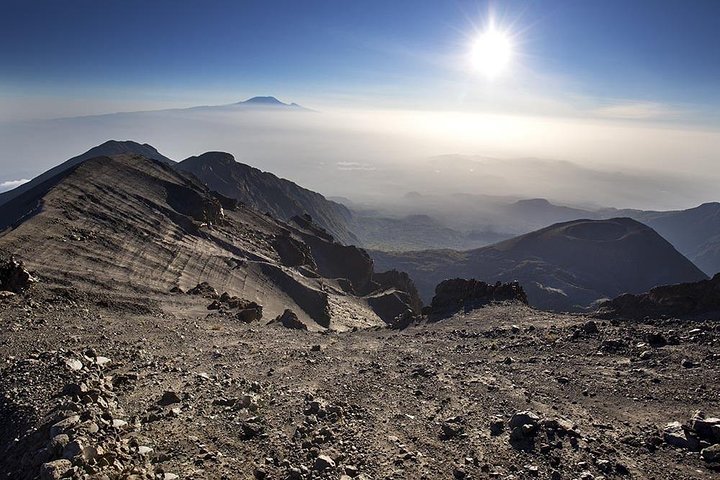
Mount Kilimanjaro, Africa’s highest mountain, stands at 5,895 metres above sea level. During your climb, you will pass through several climatic zones, starting in the warm tropical rainforest and progressing through moorland and alpine desert before reaching the cold, high-altitude summit of Uhuru Peak.
Whether you are climbing via the Marangu, Machame, Lemosho, Rongai or Northern Circuit Route, proper preparation will help you enjoy every stage of your journey.
At Pale Tours, we want every climber to be well prepared before arriving in Tanzania. This comprehensive Kilimanjaro packing list covers everything you need, including hiking clothes, footwear, climbing equipment, personal essentials and summit-night gear.
1. What Clothes Should I Wear When Climbing Kilimanjaro?
Choosing the right clothing is one of the most important parts of preparing for Mount Kilimanjaro. Temperatures can vary significantly between the lower rainforest and the summit, where conditions can be extremely cold.
We recommend using a layering system so you can add or remove clothing depending on the weather and altitude.
Recommended Kilimanjaro clothing:
- Waterproof and windproof hiking jacket.
- Waterproof hiking trousers.
- Warm insulated down jacket.
- Fleece jacket or mid-layer.
- Thermal base layers (top and bottom).
- Comfortable hiking trousers.
- Long-sleeved shirts and T-shirts.
- Warm hiking socks and thermal socks.
- Waterproof gloves and insulated summit gloves.
- Warm hat or woollen beanie.
- Sun hat or cap.
- Neck gaiter or buff.
Layering your clothing helps regulate body temperature and protects you from cold winds, rain and changing mountain conditions.
2. Best Hiking Boots and Footwear for Kilimanjaro
A good pair of hiking boots is essential when climbing Mount Kilimanjaro. You will walk across forest trails, uneven terrain, rocky paths and steep mountain slopes.
Your footwear should provide comfort, ankle support, good grip and protection against wet conditions.
Essential footwear to pack:
- Waterproof hiking boots with ankle support.
- Comfortable camp shoes or sandals.
- Several pairs of quality hiking socks.
- Warm thermal socks for summit night.
- Gaiters to protect against dust, mud and small stones.
Important tip: Break in your hiking boots before travelling to Tanzania. Avoid wearing brand-new boots for the first time on the mountain, as they may cause painful blisters.
3. Essential Kilimanjaro Climbing Equipment
Having suitable climbing equipment makes your expedition more comfortable and helps you prepare for different mountain conditions.
Recommended Kilimanjaro equipment checklist:
- Daypack (25–35 litres).
- Duffel bag for luggage carried by porters.
- Cold-weather sleeping bag suitable for mountain temperatures.
- Trekking poles for support during ascents and descents.
- Headlamp with spare batteries.
- Water bottles or insulated hydration system.
- Waterproof backpack cover.
- Sunglasses with UV protection.
- Sunscreen (SPF 30–50 or higher).
- Lip balm with sun protection.
- Small waterproof bags for personal belongings.
Your daypack should contain the essential items you need during daily hiking, while your main duffel bag is transported by the mountain porters.
4. Personal Toiletries and Hygiene Items
Personal hygiene is important during a multi-day Kilimanjaro climbing expedition. Although facilities vary depending on the route and accommodation, carrying your own essential toiletries will make your journey more comfortable.
Personal hygiene checklist:
- Toothbrush and toothpaste.
- Wet wipes.
- Toilet paper and tissues.
- Hand sanitiser.
- Quick-dry towel.
- Personal toiletries.
- Small first-aid kit.
- Personal prescription medication.
- Blister treatment supplies.
5. Snacks and Energy Food for Climbing Kilimanjaro
Climbing Mount Kilimanjaro requires physical endurance and energy. Although our mountain cook prepares fresh meals throughout the expedition, carrying additional personal snacks can be useful during long hiking days and the summit attempt.
We recommend packing:
- Energy bars.
- Chocolate.
- Nuts and dried fruits.
- Biscuits.
- Trail mix.
- Electrolyte drink supplements.
Remember to drink enough water throughout the climb and follow your mountain guide’s advice.
6. Important Travel Documents and Personal Items
Before travelling to Tanzania for your Kilimanjaro adventure, make sure you have all the necessary travel documents and personal essentials.
Your checklist should include:
- Valid passport.
- Tanzania visa, where applicable.
- Travel insurance covering high-altitude trekking and emergency evacuation.
- Flight tickets.
- Tour booking confirmation.
- Emergency contact details.
- Cash for personal expenses and tips.
- Mobile phone.
- Power bank.
We recommend keeping important documents and valuables in a waterproof bag.
7. Can I Rent Kilimanjaro Climbing Gear in Moshi, Tanzania?
Yes! You do not need to purchase every piece of climbing equipment before travelling to Tanzania. Several essential items can be rented locally in Moshi before starting your Kilimanjaro expedition.
At Pale Tours, we can assist with arranging climbing equipment rentals, including:
- Sleeping bags.
- Warm insulated jackets.
- Trekking poles.
- Waterproof clothing.
- Other essential mountain equipment, subject to availability.
If you need to rent equipment, inform our team before your arrival so we can help prepare everything for your climb.
8. What Should I Carry in My Kilimanjaro Daypack?
During your climb, porters carry your main duffel bag, while you carry a smaller daypack containing the items you need throughout the day.
We recommend carrying:
- Drinking water.
- Energy snacks.
- Waterproof jacket.
- Warm clothing.
- Sunscreen and sunglasses.
- Personal medication.
- Camera or mobile phone.
- Rain protection.
- Headlamp when required.
Keep your daypack comfortable and avoid carrying unnecessary weight.
9. What Should I Wear on Kilimanjaro Summit Night?
Summit night is one of the most challenging stages of climbing Mount Kilimanjaro. Climbers usually begin their final ascent around midnight, when temperatures can drop significantly below freezing.
For the summit attempt to Uhuru Peak (5,895 metres), we recommend wearing:
- Thermal base layers.
- Warm fleece or insulating mid-layer.
- Heavy insulated down jacket.
- Waterproof and windproof outer jacket.
- Warm thermal trousers.
- Waterproof insulated gloves.
- Warm woollen hat.
- Thermal hiking socks.
- Waterproof hiking boots.
- Headlamp with spare batteries.
- Neck warmer or balaclava.
Proper layering is particularly important during the final ascent to protect yourself from cold temperatures and strong winds.
10. Kilimanjaro Packing List: Final Checklist
Before leaving for your Mount Kilimanjaro adventure, use this checklist to make sure you have prepared all your essential equipment.
- Waterproof hiking jacket and trousers.
- Warm insulated jacket.
- Thermal base layers.
- Fleece jacket.
- Hiking trousers and shirts.
- Waterproof hiking boots.
- Hiking socks and thermal socks.
- Warm gloves and hat.
- Daypack and duffel bag.
- Sleeping bag.
- Trekking poles.
- Headlamp and spare batteries.
- Water bottles.
- Sunglasses and sunscreen.
- Toiletries and personal medication.
- Travel documents and insurance.
- Snacks and energy supplies.
Final Tips: Prepare for a Successful Mount Kilimanjaro Climb
Climbing Mount Kilimanjaro is a remarkable adventure that requires proper preparation, suitable equipment and good physical fitness. Packing the right clothing and hiking gear will help you manage changing weather conditions and enjoy the incredible landscapes along the way.
Remember to break in your hiking boots, test your equipment before departure, dress in layers and follow your professional mountain guide’s instructions. Choosing an itinerary with sufficient time for acclimatisation is also important for your safety and summit success.