Is It Safe to Walk Around Safari Camps in Serengeti at Night?
Staying overnight in Serengeti National Park is one of the most exciting parts of a Tanzania safari. Imagine relaxing in a comfortable safari tent, listening to the sounds of the African wilderness, and knowing that wild animals are living freely in the surrounding environment.
However, many first-time visitors have an important question before booking their accommodation: Is it safe to walk around safari camps in Serengeti at night?
The answer depends on the type of accommodation, its location, and the safety procedures followed by the camp. Serengeti is a natural wildlife habitat, and dangerous animals such as lions, leopards, elephants, and hyenas may move around accommodation areas.
Unlike ordinary hotels in towns, some safari camps are located in unfenced wilderness areas where wildlife can approach the tents and communal facilities.
In this guide, Pale Tours explains the safety rules, what to expect at night, how camp staff assist guests, and what you should do to enjoy a safe and comfortable Serengeti safari experience.
Is It Safe to Walk Around Safari Camps in Serengeti at Night?
Walking around Serengeti safari camps at night without permission or an escort is generally not safe.
Some camps are unfenced, meaning wild animals can move freely through the surrounding area. Animals do not necessarily recognise accommodation boundaries as places where people are protected.
For example, elephants may pass close to tents, hyenas may search for food, and lions may move through the area while hunting or travelling.
For this reason, guests should never assume that it is safe to walk between their tent, restaurant, reception, or other facilities without checking the camp’s safety procedures.
Many camps provide staff escorts after dark, especially where guests need to move between accommodation and shared facilities.
Why Are Serengeti Safari Camps Sometimes Unfenced?
Many safari camps are designed to offer visitors a close connection with the natural environment.
Instead of building large fences around every property, some camps allow wildlife to move naturally through the surrounding ecosystem.
This approach helps preserve the wilderness atmosphere and reduces unnecessary interference with animal movements.
However, it also means visitors must respect wildlife and follow camp safety instructions.
Unfenced accommodation does not mean guests can freely approach animals or walk around whenever they wish.
Which Wild Animals Can Visit Safari Camps at Night?
Serengeti is home to many wildlife species, and some may occasionally pass near accommodation areas.
Lions
Lions are among the most important predators in Serengeti. They may travel through different habitats at night while searching for prey or moving between resting areas.
Hyenas
Hyenas are mainly active at night and may approach camps while searching for food.
Guests should never leave food waste outside their tents.
Elephants
Elephants may move through woodland and open areas near accommodation. They are powerful wild animals and should always be given plenty of space.
Leopards
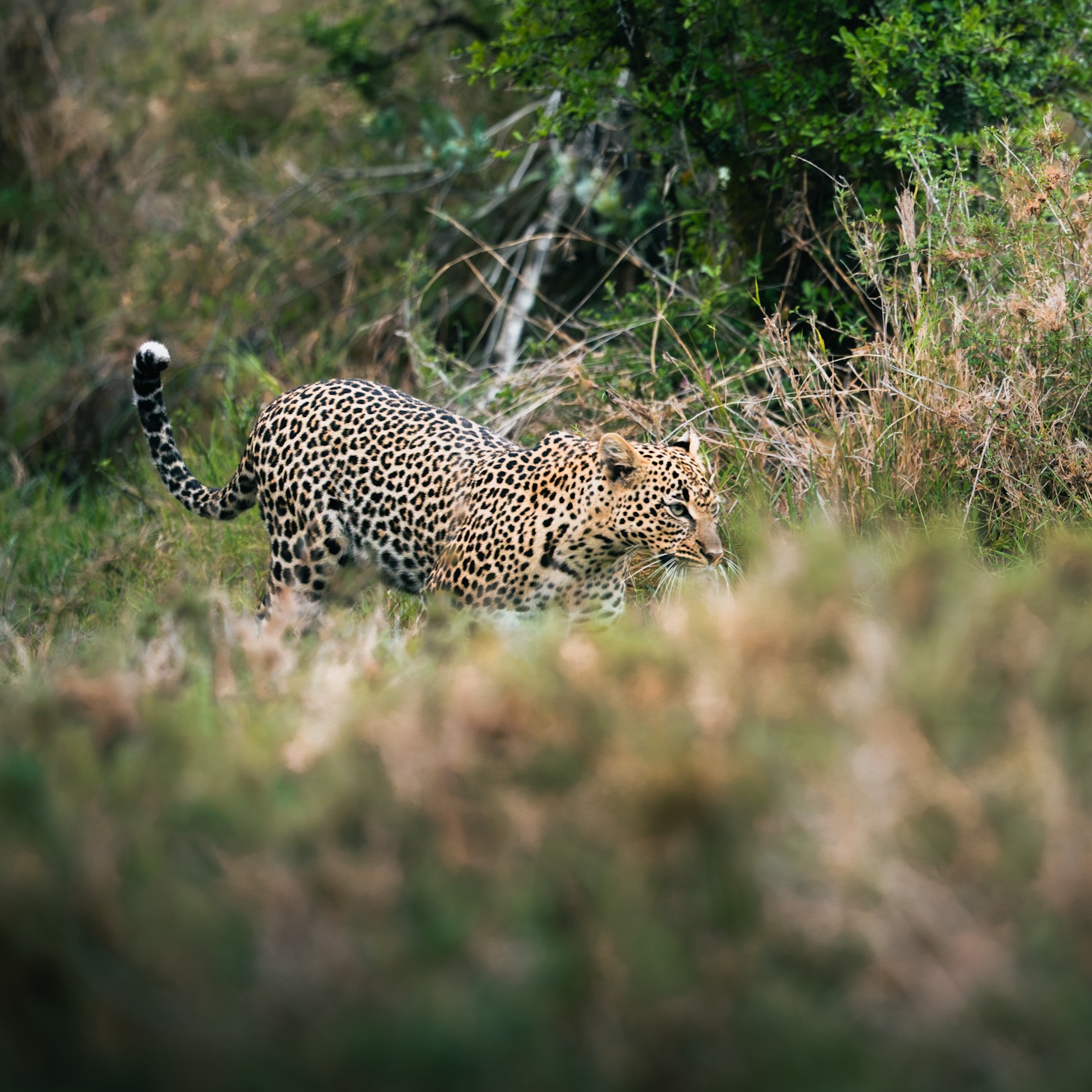
Leopards are secretive predators that are usually difficult to spot. They may move through wooded habitats at night.
Buffaloes
Buffaloes can be dangerous when approached or threatened. They may also move around natural habitats near camps.
Seeing any of these animals near accommodation is not guaranteed, but guests should understand that they live freely in the Serengeti ecosystem.
Do Safari Camps Provide Security Guards at Night?
Many established Serengeti camps have trained staff responsible for guest safety.
Depending on the accommodation, these staff members may:
- Escort guests between tents and communal facilities.
- Monitor activity around the camp.
- Explain wildlife safety rules.
- Help guests move safely after dark.
- Respond to wildlife-related situations.
The exact procedures vary between camps.
When booking, ask whether night escorts are available and whether guests are required to request assistance before leaving their tents.
Can You Walk from Your Tent to the Restaurant at Night?
This depends on the camp’s location and safety arrangements.
At some accommodations, the restaurant and tents are close together, but guests may still need an escort after dark.
Other properties have longer walking distances between tents, reception areas, and dining facilities.
Never assume that a short distance makes the walk safe.
Follow the instructions provided by camp staff and request an escort whenever required.
Is It Safe to Sleep in a Safari Tent in Serengeti?
Yes, staying in a properly managed safari tented camp can be a comfortable and enjoyable experience.
Safari tents are designed to provide accommodation in natural environments while offering different levels of comfort.
Depending on the camp, facilities may include:
- Comfortable beds.
- Private bathrooms.
- Showers.
- Toilets.
- Lighting.
- Mosquito nets.
- Dining facilities.
- Staff assistance.
However, a tent is not a substitute for wildlife safety procedures. It does not make it safe to approach animals or leave your accommodation without following camp instructions.
Guests should keep tent doors closed when not entering or leaving and follow any additional guidance from staff.
What Should You Do If You See a Wild Animal Near Your Tent?
If you notice an animal close to your accommodation, remain calm and follow the camp’s instructions.
Important safety measures include:
- Do not approach the animal.
- Do not attempt to touch or feed it.
- Do not make sudden movements towards it.
- Avoid using flash photography if it may disturb the animal.
- Stay inside your accommodation if instructed.
- Contact camp staff if you need assistance.
- Follow the directions of trained staff.
Never attempt to chase an animal away yourself.
Wild animals can behave unpredictably, even when they appear calm.
Are Serengeti Lodges Safer Than Tented Camps at Night?
Both lodges and tented camps can provide safe accommodation when properly managed.
However, they may have different designs and safety arrangements.
Safari Lodges
Some lodges have permanent buildings, defined pathways, and more structured guest facilities.
Their layout may make movement between facilities easier, but wildlife can still be present around the property.
Tented Camps
Tented camps offer a closer wilderness experience. Some are unfenced and located in areas where animals move naturally.
Guests may need escorts when walking between tents and shared facilities.
The most important consideration is not simply whether accommodation is a lodge or a tented camp. It is whether the property has suitable safety procedures and trained staff.
Can Children Stay in Serengeti Safari Camps?
Yes. Many Serengeti accommodations welcome families with children, although age restrictions and safety policies vary.
Parents should:
- Supervise children at all times.
- Follow accommodation rules.
- Avoid allowing children to walk around alone.
- Request assistance when moving between facilities after dark.
- Explain basic wildlife safety rules.
- Check whether the accommodation is suitable for the children’s ages.
Some camps may have additional restrictions for young children because of their location and wildlife environment.
Always confirm family accommodation policies before booking.
What Should You Never Do at a Serengeti Safari Camp at Night?
To reduce wildlife risks, visitors should avoid certain behaviours.
Do not walk alone without permission: Some camps require an escort after dark.
Do not leave food outside: Food waste can attract wildlife.
Do not feed wild animals: Feeding wildlife is dangerous and can change natural animal behaviour.
Do not approach animals for photographs: Always maintain a safe distance.
Do not ignore staff instructions: Camp staff understand the local environment and safety procedures.
Do not wander outside designated areas: Walking into surrounding bushland can expose you to wildlife.
Do not assume that all camps have the same rules: Follow the specific safety procedures of your accommodation.
What Is the Best Type of Accommodation for First-Time Safari Visitors?
First-time visitors who are concerned about wildlife at night should choose accommodation with clear safety procedures and good guest support.
Before booking, consider:
- Whether the property is fenced or unfenced.
- Whether night escorts are provided.
- How far tents are from the main facilities.
- Whether staff are available throughout the night.
- Whether private bathrooms are available.
- Whether the accommodation welcomes families.
- What emergency procedures are in place.
A comfortable lodge or a well-managed tented camp can both offer a memorable experience.
Your safari operator can help you select accommodation that matches your comfort level and budget.
Frequently Asked Questions About Safety at Serengeti Camps at Night
1. Can lions enter Serengeti safari camps at night?
Yes. Lions may move through areas surrounding some unfenced camps. This is why visitors must follow camp safety procedures and avoid walking around without permission.
2. Are Serengeti tented camps fenced?
Some are fenced, while many wilderness tented camps are not. Always ask your accommodation provider about its specific layout.
3. Do I need an escort to walk to the restaurant at night?
Some camps require guests to be escorted after dark. Follow the individual property’s rules and request an escort whenever necessary.
4. Can elephants walk through safari camps?
Elephants may occasionally pass near or through unfenced accommodation areas. Guests should remain in safe locations and follow staff instructions.
5. Is it dangerous to sleep in an unfenced safari tent?
Unfenced camps can provide comfortable accommodation when properly managed. However, guests must follow wildlife safety instructions and never assume that a tent protects them from wildlife.
6. Are there security guards in Serengeti camps?
Many established camps have trained staff who assist with guest safety. The arrangements vary by accommodation.
7. Can I go to the bathroom at night in a safari tent?
Many tented camps have private bathrooms. If you need to walk to shared facilities, contact camp staff and follow the escort procedures.
8. Can children walk around Serengeti camps alone?
No. Children should always be supervised, and families must follow the camp’s wildlife safety rules.
9. Are hyenas active around Serengeti camps at night?
Hyenas are mainly nocturnal and may sometimes approach accommodation areas. Guests should avoid leaving food waste outside and follow camp instructions.
10. Can I take photographs of animals near my tent?
Photography may be possible from a safe location, but never approach animals or leave your accommodation to get closer. Follow staff instructions.
11. Are luxury lodges safer than budget campsites?
Accommodation standards and safety arrangements vary. A higher price does not automatically guarantee a particular level of wildlife protection. Check the specific property’s procedures.
12. Should I be afraid of staying overnight in Serengeti?
There is no need to avoid a Serengeti overnight safari simply because wild animals live in the area. Choose well-managed accommodation, listen to staff, and respect wildlife safety rules.
13. Can Pale Tours help me choose safe accommodation in Serengeti?
Yes. Pale Tours can help travellers select suitable lodges and tented camps according to their budget, comfort preferences, family needs, and safari itinerary.