A safari in Serengeti National Park is an unforgettable opportunity to explore one of Africa’s most famous wildlife destinations. Visitors travel through vast grasslands, woodlands, river valleys, and other natural habitats in search of lions, elephants, giraffes, cheetahs, leopards, and thousands of grazing animals.
However, before booking a safari, many travellers want to understand how much time they will spend inside a safari vehicle each day.
How many hours does a typical Serengeti game drive last? Do you spend the entire day looking for animals? Are there breaks for lunch? Can you return to your lodge in the afternoon?
The answer depends on your itinerary, accommodation location, wildlife movements, and personal preferences.
Generally, a game drive can last approximately 3–4 hours for a shorter morning or afternoon outing, while a full-day game drive may involve around 6–8 hours or more of wildlife exploration, including breaks.
In this guide, Pale Tours explains the typical Serengeti safari schedule, the best times for game drives, and how to make the most of your wildlife experience.
How Many Hours Does a Typical Serengeti Game Drive Last?
A typical game drive in Serengeti can last between 3 and 4 hours for a shorter morning or afternoon excursion.
Travellers choosing a full-day safari may spend approximately 6–8 hours or more exploring the park, depending on the route and wildlife sightings.
The duration is not fixed. Your guide may adjust the schedule depending on animal activity, road conditions, weather, and the location of interesting wildlife sightings.
Here is a general overview:
| Type of Game Drive | Approximate Duration |
|---|---|
| Short morning game drive | 3–4 hours |
| Afternoon game drive | 3–4 hours |
| Full-day game drive | 6–8 hours or more |
| Extended wildlife exploration | Depends on itinerary |
These are general planning estimates rather than fixed park schedules.
What Time Do Morning Game Drives Start in Serengeti?
Morning game drives usually begin early, often around sunrise.
Depending on the lodge location and the day’s itinerary, departure may be between approximately 6:00 AM and 7:00 AM.
Early morning is a popular time for wildlife viewing because temperatures are generally cooler and some animals are more active.
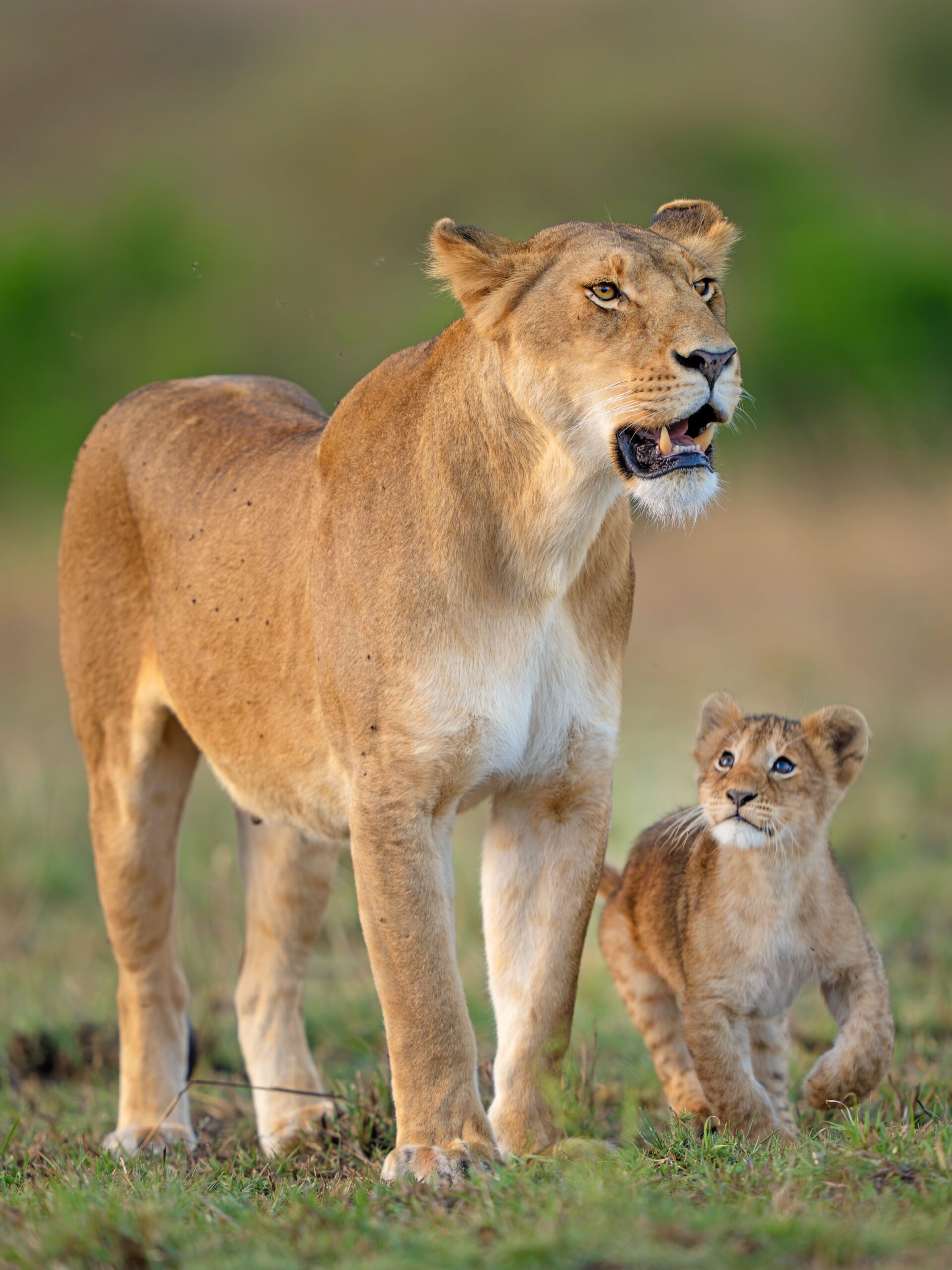
During a morning game drive, visitors may have opportunities to see:
- Lions returning from nighttime activity.
- Elephants moving through the savannah.
- Giraffes feeding on trees.
- Zebras and wildebeest grazing.
- Hyenas and other predators.
- Birds becoming active at sunrise.
Wildlife behaviour varies, so sightings are never guaranteed.
What Happens During an Afternoon Game Drive?
Afternoon game drives usually take place after lunch and continue towards the late afternoon.
The exact departure time depends on the accommodation and daily itinerary.
During this period, visitors explore different parts of the park while searching for wildlife.
An afternoon game drive may include opportunities to see elephants, giraffes, buffaloes, antelopes, and predators.
The changing light can also create excellent opportunities for photography.
However, animal activity depends on weather, temperature, and natural behaviour.
Can You Spend the Entire Day on a Game Drive in Serengeti?
Yes. Many visitors choose a full-day game drive to explore more of Serengeti National Park.
This is particularly useful for travellers who have limited time in a specific area or want to explore different habitats.
A full-day game drive generally includes:
- Early departure from the lodge or camp.
- Morning wildlife viewing.
- A stop at a designated picnic site for lunch.
- Afternoon wildlife exploration.
- Return to the accommodation later in the day.
The actual duration depends on your itinerary and the distance between wildlife-viewing areas.
A full-day game drive can be rewarding because it provides more time to explore the park rather than returning to the lodge for a long midday break.
Do You Take Lunch Breaks During Serengeti Game Drives?
Yes. Lunch breaks are commonly included in full-day safari itineraries.
Many safari operators arrange packed lunches that guests can enjoy at designated picnic sites.
These locations allow visitors to stop, eat, relax, and use available facilities before continuing their game drive.
A typical packed lunch may include sandwiches, chicken, rice, fruit, snacks, or other meals depending on the operator’s arrangements.
Travellers should follow picnic-site rules and never feed wildlife.
What Is a Typical Daily Game Drive Schedule in Serengeti?
A safari schedule depends on your accommodation, park location, and itinerary.
The following is an example of a full-day game drive:
| Time | Activity |
|---|---|
| 6:00 AM | Wake up and prepare for the safari |
| 6:30 AM | Breakfast or packed breakfast |
| 7:00 AM | Start the morning game drive |
| 10:00 AM | Continue wildlife exploration |
| 12:30 PM | Lunch at a designated picnic site |
| 1:30 PM | Continue the afternoon game drive |
| 4:30 PM | Begin returning towards accommodation |
| 5:30 PM | Arrive at the lodge or camp, depending on location |
This is only an example. Actual departure and return times can vary, and park regulations determine when visitors must leave particular areas.
Is It Better to Choose Morning or Full-Day Game Drives?
Both options have advantages.
Morning Game Drives
Morning drives are suitable for travellers who prefer cooler temperatures and shorter excursions.
Advantages include:
- Early wildlife activity.
- Beautiful sunrise scenery.
- Cooler conditions.
- More time to relax later in the day.
Full-Day Game Drives
Full-day drives offer more time to explore different areas.
Advantages include:
- More opportunities to search for wildlife.
- Time to explore different habitats.
- Less need to return to the lodge at midday.
- More flexibility to follow interesting wildlife sightings.
If you have several days in Serengeti, you may enjoy a combination of morning and full-day game drives
Does the Number of Hours Depend on Where You Stay in Serengeti?
Yes. Your accommodation location can make a significant difference to your daily game-drive schedule.
Serengeti is a large national park, and travel distances between different regions can be considerable.
For example:
Central Serengeti
Central Serengeti, particularly the Seronera area, is popular because of its resident wildlife and variety of habitats.
Staying in this region can provide convenient access to several wildlife-viewing areas.
Northern Serengeti
Northern Serengeti is popular during the Great Migration season, especially around the Kogatende and Mara River areas.
The time spent driving depends on the location of your camp and where the herds are moving.
Southern Serengeti
The southern plains and nearby Ndutu region are important during the wildebeest calving season.
Staying closer to the wildlife-viewing areas can reduce unnecessary driving between accommodation and game-drive locations.
Choosing accommodation near your main safari interests can help you spend more time observing wildlife.
Can You Return to Your Lodge During the Day?
Yes, depending on your itinerary and accommodation location.
Some safari packages offer a morning game drive followed by lunch and relaxation at the lodge before an afternoon game drive.
Other packages include a full-day game drive with a packed lunch.
The best option depends on your preferences.
Families with young children or travellers who prefer a more relaxed schedule may appreciate returning to the lodge during the middle of the day.
Travellers who want to explore more wildlife-viewing areas may prefer a full-day outing.
Are Long Game Drives Tiring?
Game drives can be tiring for some visitors, especially when travelling over uneven roads for several hours.
However, safari vehicles are designed to provide a practical and comfortable way to explore wildlife areas.
To make your experience more enjoyable:
- Wear comfortable clothing.
- Bring sunglasses and a hat.
- Carry drinking water.
- Use sunscreen.
- Bring a camera and binoculars.
- Take breaks at designated locations.
- Inform your guide if you need additional rest.
If you are travelling with children or older family members, discuss the preferred daily schedule with your tour operator before booking.
Can You Request Longer or Shorter Game Drives?
Yes. The flexibility depends on the type of safari you book.
A private safari generally provides more flexibility because the vehicle and guide are dedicated to your booking.
You can discuss your preferences with your guide, including:
- Starting earlier in the morning.
- Spending more time at interesting wildlife sightings.
- Taking additional breaks.
- Returning to camp earlier.
- Exploring particular areas when conditions allow.
On a group joining safari, the schedule is generally shared with other travellers, so changes may be more limited.
How Many Game Drives Should You Do During a Serengeti Safari?
The number of game drives depends on how many days you spend in the park.
For example:
| Safari Duration | Possible Game Drive Experience |
|---|---|
| 2 days | Morning and afternoon wildlife viewing, depending on arrival and departure |
| 3 days | Several morning and afternoon or full-day drives |
| 4 days | More time to explore different areas |
| 5 days | A wider range of wildlife-viewing opportunities |
| 6–7 days | A more extensive safari across different regions |
A longer safari does not automatically guarantee more animal sightings, but it gives you additional time to explore different habitats and observe wildlife behaviour.
Frequently Asked Questions About Serengeti Game Drive Duration
1. How long is a game drive in Serengeti?
A shorter game drive often lasts around 3–4 hours, while a full-day outing may take 6–8 hours or more, including breaks.
2. What time do game drives start?
Morning game drives often begin around sunrise, commonly between 6:00 AM and 7:00 AM, depending on the accommodation and itinerary.
3. Can I do a full-day game drive in Serengeti?
Yes. Full-day game drives are commonly offered and allow visitors to explore more of the park.
4. Do safari vehicles stop for lunch?
Yes. Full-day safari itineraries commonly include a lunch stop at a designated picnic site.
5. Are afternoon game drives worth it?
Yes. Afternoon drives offer opportunities to explore wildlife habitats and enjoy the changing light across the Serengeti landscape.
6. Can I choose when to return to my lodge?
On a private safari, you can usually discuss your preferred schedule with your guide, subject to park regulations and practical travel arrangements.
7. Are game drives suitable for children?
Yes, but parents should consider the children’s ages and ability to spend several hours in a safari vehicle.
8. Do you see more animals during longer game drives?
Longer drives provide more time to explore, but wildlife sightings depend on natural animal movements and other conditions.
9. Can I take photographs during a game drive?
Yes. Safari vehicles are designed to support wildlife viewing and photography. Follow your guide’s instructions when positioning yourself or using camera equipment.
10. Is a full-day game drive better than two shorter drives?
Neither option is always better. A full-day drive provides more continuous exploration, while two shorter drives offer a longer rest period at the accommodation.
11. Does the location of my lodge affect game-drive time?
Yes. Staying close to your preferred wildlife-viewing areas can reduce travel time and provide more opportunities for wildlife observation.
12. Can I spend more time watching lions or other animals?
On a private safari, you can generally discuss spending additional time at interesting sightings with your guide, provided it is safe and permitted.