Can You See the Big Five in Tanzania? Where and When Is the Best Time in 2027?
Where and When Is the Best Time in 2027?
Tanzania is one of Africa’s most exciting wildlife safari destinations, offering visitors the opportunity to explore spectacular national parks and observe some of the world’s most famous wild animals. Among the biggest attractions for international travellers is the chance to see the African Big Five.
But what exactly are the Big Five? Can you see all five animals in Tanzania? Which national parks offer the best opportunities, and what is the best time of year to plan your safari?
The Big Five refers to five iconic African mammals: the lion, leopard, elephant, African buffalo, and rhinoceros. These animals are among the most sought-after wildlife sightings during African safaris.
Tanzania is home to all five species, making it an excellent destination for travellers hoping to experience a Big Five safari.
In this guide, Pale Tours explains where to see the Big Five in Tanzania, the best national parks to visit, the best travel seasons, how many days you need, and how to plan an unforgettable wildlife safari in 2027.
1. What Are the Big Five Animals in Africa?
The Big Five are five famous African mammals:
- African lion.
- African leopard.
- African elephant.
- African buffalo.
- Rhinoceros.
The term originally became popular among big-game hunters because these animals were considered particularly difficult and dangerous to hunt on foot. Today, the expression is widely used in wildlife tourism and photography.
For modern safari travellers, seeing the Big Five means observing these magnificent animals in their natural habitats.
Each animal has different characteristics, behaviours, and preferred habitats. Some are relatively easy to encounter in certain parks, while others are more difficult to find.
In Tanzania, your chances of seeing the Big Five depend on the national parks you visit, the season, the length of your safari, and natural wildlife movements.
2. Can You See All the Big Five Animals in Tanzania?
Yes. Tanzania is home to all five Big Five animals.
However, seeing all five during one safari is not guaranteed.
Elephants, lions, and buffaloes are regularly encountered in several northern parks. Leopards are more elusive because they are naturally secretive and often spend time resting in trees or hidden vegetation.
Rhinoceroses are also more difficult to see. Ngorongoro Crater is one of the most important destinations for visitors hoping to spot the endangered black rhinoceros.
If seeing all five animals is your main priority, a safari combining Serengeti National Park and Ngorongoro Crater is a strong option.
Adding Tarangire National Park can provide further opportunities to observe elephants and other wildlife.
Your safari guide will help select suitable areas based on recent wildlife sightings, seasonal conditions, and the time available.
3. Where Can You See the Big Five in Tanzania?
Tanzania has several protected areas where visitors can search for the Big Five. The Northern Tanzania Safari Circuit is particularly popular because it combines different habitats and excellent wildlife-viewing opportunities.
A. Ngorongoro Crater – One of the Best Places to Search for the Big Five
Ngorongoro Crater is among Tanzania’s most famous wildlife destinations.
Located within the Ngorongoro Conservation Area, the crater is a spectacular natural landscape with grasslands, forests, wetlands, and a permanent water supply.
Its relatively concentrated wildlife population makes it an excellent destination for game drives.
Which Big Five animals can you see in Ngorongoro?
- Lions: The crater supports a resident lion population.
- Elephants: Visitors may encounter large elephants, including impressive bulls.
- Buffaloes: Buffaloes are frequently seen grazing across the crater floor.
- Leopards: They are present in the wider ecosystem but are difficult to spot.
- Black rhinoceroses: The crater is one of Tanzania’s important places to search for this endangered species.
The black rhinoceros is one of the most exciting potential sightings in Ngorongoro. However, sightings are not guaranteed, and visitors should never expect a particular animal to appear on a scheduled game drive.
Why choose Ngorongoro Crater?
- High concentration of wildlife.
- Beautiful landscapes.
- Opportunities to search for several Big Five species.
- Excellent photography opportunities.
- A memorable full-day game drive.
For first-time safari visitors, Ngorongoro Crater is an important destination to include in a Northern Tanzania itinerary.
B. Serengeti National Park – Famous for Lions and Leopards
Serengeti National Park is one of the most famous wildlife destinations in Africa.
The park is known for its enormous plains, large predator populations, and the Great Wildebeest Migration.
It offers excellent opportunities to search for lions, leopards, elephants, and buffaloes.
Which Big Five animals can you see in Serengeti?
- Lions: Serengeti is famous for its large lion populations.
- Leopards: They are often found resting in trees, especially in suitable woodland habitats.
- Elephants: Elephants can be seen in different areas of the park.
- Buffaloes: Large herds are frequently encountered.
- Rhinoceroses: Black rhinoceroses are present in protected areas, but sightings are uncommon.
The Serengeti is particularly attractive to visitors interested in big cats.
Your guide may explore areas such as Seronera, which is known for its wildlife-viewing opportunities, depending on the season and itinerary.
Why visit Serengeti?
- Excellent opportunities to see lions.
- Opportunities to search for leopards.
- Large elephant and buffalo populations in suitable areas.
- Great Wildebeest Migration.
- Beautiful landscapes and wildlife photography.
If your main interest is seeing predators, spending more than one day in Serengeti can improve your opportunities.
C. Tarangire National Park – Famous for Elephants
Tarangire National Park is one of the best destinations in Tanzania for elephant viewing.
The park is famous for its large baobab trees, open savannah, and seasonal wildlife concentrations around the Tarangire River.
During the dry season, animals from surrounding areas may gather near available water sources.
Which Big Five animals can you see in Tarangire?
- Elephants: One of the park’s major attractions.
- Lions: Present in the park and sometimes seen during game drives.
- Leopards: Present but difficult to locate.
- Buffaloes: Frequently encountered.
- Rhinoceroses: Tarangire is not a reliable destination for visitors specifically hoping to see rhinoceroses.
Tarangire is an excellent addition to a Big Five safari because it provides a different wildlife experience from Serengeti and Ngorongoro.
D. Lake Manyara National Park – Additional Wildlife Opportunities
Lake Manyara National Park is another interesting destination on the Northern Tanzania Safari Circuit.
It is known for its groundwater forests, lake scenery, birdlife, and diverse wildlife.
Visitors may encounter elephants, buffaloes, lions, giraffes, zebras, and other animals.
Leopards are also present but are difficult to spot.
Lake Manyara is not usually the main destination for completing a Big Five safari, but it can add variety to a longer itinerary.
4. Which Big Five Animal Is the Hardest to See in Tanzania?
Although Tanzania is home to all five species, some animals are more difficult to encounter than others.
1. Black Rhinoceros
The black rhinoceros is generally one of the most challenging Big Five animals to see.
It is endangered and lives in protected habitats where sightings may depend on location, vegetation, and conservation conditions.
Ngorongoro Crater is one of the best-known places in Northern Tanzania to search for this animal.
2. Leopard
Leopards are naturally secretive and often spend time in trees or dense vegetation.
They are generally more active during quieter periods, including early mornings and evenings.
Serengeti offers good opportunities to search for leopards, particularly in suitable woodland areas.
3. Lion
Lions are among the more frequently encountered Big Five animals in several northern parks.
They may be seen resting, hunting, feeding, or moving across the savannah.
4. African Elephant
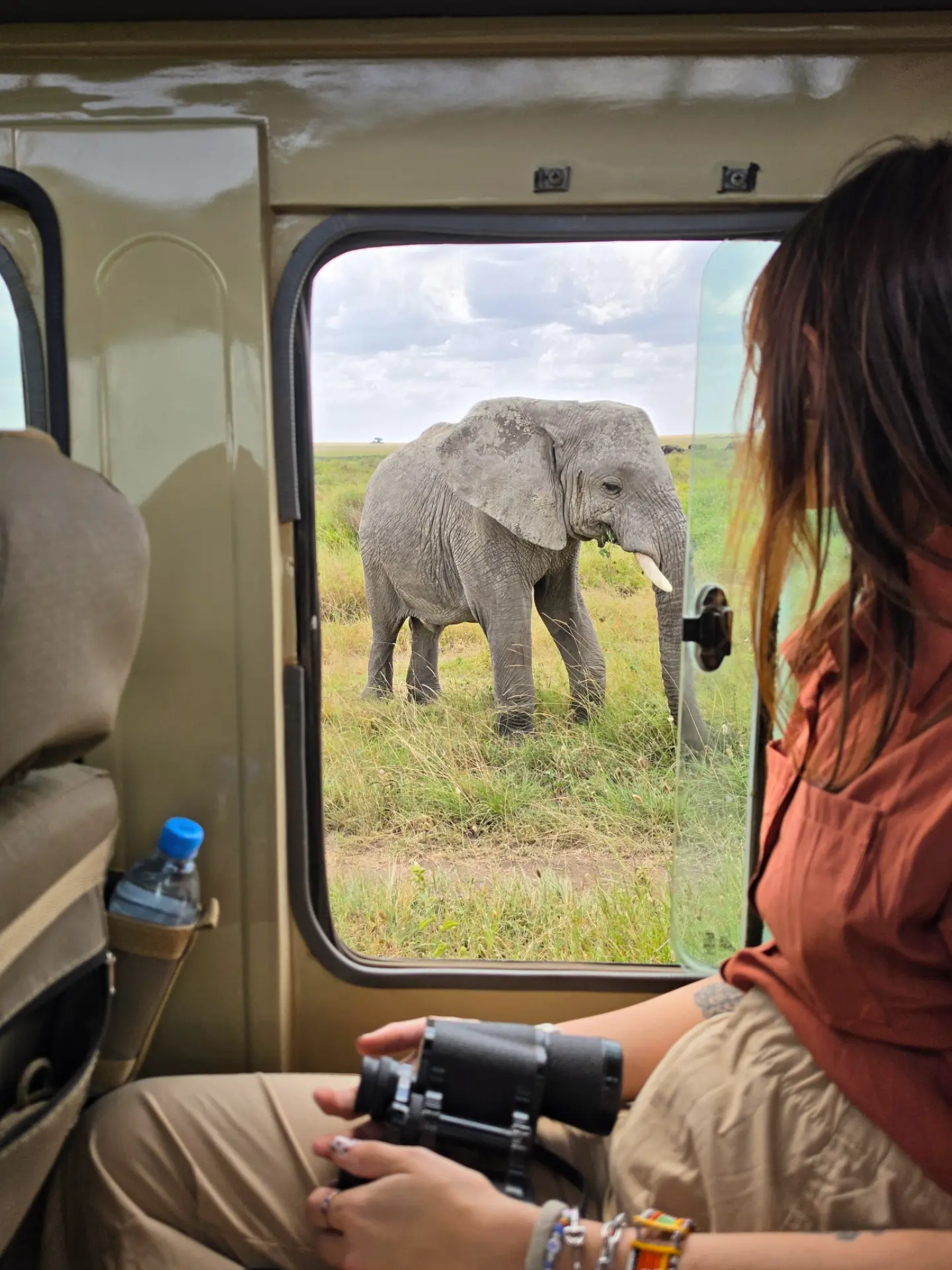
Elephants are commonly seen in Tarangire, Serengeti, and other suitable habitats.
Tarangire is particularly famous for its elephant populations.
5. African Buffalo
Buffaloes are widely distributed across suitable habitats in Tanzania.
They are often seen in herds, although their locations change depending on water, grazing, and seasonal conditions.
5. What Is the Best Time to See the Big Five in Tanzania?
Tanzania offers wildlife safaris throughout the year. However, different seasons can influence wildlife movements, vegetation, road conditions, and visibility.
June to October – Dry Season
The dry season is one of the most popular periods for a Tanzania safari.
During these months:
- Vegetation becomes thinner in many areas.
- Animals often gather around available water sources.
- Wildlife can be easier to spot in open landscapes.
- Game drives are popular in Tarangire, Serengeti, and Ngorongoro.
This is an excellent period for travellers interested in searching for the Big Five.
Tarangire is especially attractive during the dry season because of wildlife concentrations around the river.
January to March – Calving Season
January to March is an important period for the wildebeest calving season in the southern Serengeti and Ndutu ecosystem.
Visitors may encounter large herds of wildebeest, zebras, and predators.
It is an excellent season for observing predator-prey interactions and photographing wildlife.
April to May – Green Season
These months are generally associated with heavier rainfall.
The landscape becomes green and beautiful, and some destinations may receive fewer visitors.
However, rainfall can affect road conditions and wildlife visibility in certain areas.
November to December – Short Rains
The short rains often bring fresh vegetation to the landscape.
Wildlife remains present throughout the parks, and some areas may be quieter than during the peak dry season.
The best time for your Big Five safari ultimately depends on your preferred destinations and travel dates.
6. How Many Days Do You Need to See the Big Five in Tanzania?
There is no guaranteed number of days required to see all five animals.
However, spending more time in suitable wildlife areas gives you additional opportunities to encounter different species.
Here are some suggested safari durations.
3-Day Big Five Safari
A three-day safari can provide a good introduction to Northern Tanzania.
A possible itinerary includes:
- Day 1: Tarangire National Park.
- Day 2: Ngorongoro Crater.
- Day 3: Another suitable park or return journey, depending on the selected route.
This is a short option, and it does not provide as much time to explore Serengeti.
4-Day Big Five Safari
A four-day itinerary can include:
- Day 1: Tarangire National Park.
- Day 2: Travel to Serengeti National Park.
- Day 3: Serengeti game drive.
- Day 4: Ngorongoro Crater and onward travel, subject to a practical schedule.
This route provides opportunities to explore three important wildlife destinations, but travel distances can make the itinerary busy.
5-Day Big Five Safari
Five days is a very good option for travellers who want to explore the main Northern Circuit destinations.
Suggested itinerary:
- Day 1: Tarangire National Park.
- Day 2: Travel to Serengeti.
- Day 3: Full-day Serengeti safari.
- Day 4: Serengeti to Ngorongoro Highlands.
- Day 5: Ngorongoro Crater game drive.
This itinerary gives you time to explore Serengeti and Ngorongoro, two of the most important destinations for Big Five wildlife viewing.
7-Day Big Five Safari
A seven-day safari offers more time and flexibility.
Suggested itinerary:
- Day 1: Arrival in Arusha.
- Day 2: Tarangire National Park.
- Day 3: Travel to Serengeti.
- Day 4: Full-day Serengeti safari.
- Day 5: Another full day in Serengeti.
- Day 6: Travel towards Ngorongoro.
- Day 7: Ngorongoro Crater game drive and return to Arusha.
The additional day in Serengeti provides more opportunities to explore different habitats and search for wildlife.
For travellers whose main objective is to see all five Big Five animals, a five- to seven-day safari is a sensible choice.
7. Can You See the Big Five in One Day?
It is possible to see several Big Five animals during one day, particularly in wildlife-rich areas such as Ngorongoro Crater.
However, seeing all five in one day is not guaranteed.
Wild animals move freely through their natural habitats. Their locations depend on food, water, weather, territorial behaviour, and other natural factors.
A lion may be resting in one area while a leopard is hidden in another. A rhinoceros may be difficult to locate even when it is within the same general ecosystem.
If you want to improve your opportunities, consider spending multiple days in different parks rather than relying on a single game drive.
8. What Is the Best Safari Vehicle for Big Five Viewing?
A reliable safari vehicle is important for a comfortable wildlife experience.
For Northern Tanzania safaris, an open-roof 4×4 Land Cruiser is a popular choice.
These vehicles are designed for safari conditions and allow passengers to observe wildlife through the raised roof.
Important features include:
- Pop-up roof for wildlife viewing.
- Comfortable passenger seating.
- Large windows.
- Charging facilities.
- Drinking water.
- A suitable suspension system for safari roads.
- A professional driver-guide.
A knowledgeable guide is equally important. Guides use their experience, knowledge of wildlife behaviour, and information about recent sightings to help travellers explore suitable areas.
However, no vehicle or guide can guarantee sightings of particular animals.
9. Is a Private Safari Better for Seeing the Big Five?
Both private and group safaris can provide excellent wildlife experiences.
A private safari offers more flexibility because the vehicle is reserved for your booking.
You can discuss your interests with your guide and arrange the daily schedule around your preferences.
A group safari is generally more affordable because travellers share the vehicle and some operating expenses.
When selecting a group safari, ask about the maximum number of passengers, seating arrangements, and the daily itinerary.
If you are a wildlife photographer or particularly interested in searching for specific animals, a private safari may be more suitable because of its greater flexibility.
10. Can Families with Children Enjoy a Big Five Safari?
Yes. Tanzania safaris can be wonderful experiences for families.
Children can learn about wildlife, ecosystems, conservation, and animal behaviour while exploring national parks.
However, the safari should be planned according to the children’s ages and needs.
Consider:
- Choosing comfortable accommodation.
- Avoiding unnecessarily long daily drives.
- Planning suitable meal and rest breaks.
- Carrying snacks and drinking water.
- Following your guide’s safety instructions.
- Checking accommodation age policies.
- Choosing a private safari if greater flexibility is important.
Always keep children inside the safari vehicle unless your guide confirms that it is safe to leave at an authorized location.
Wild animals must be observed from a safe distance.
11. What Is the Difference Between Seeing the Big Five and the Great Migration?
The Big Five and the Great Wildebeest Migration are two different wildlife experiences.
The Big Five refers to five animal species: lion, leopard, elephant, buffalo, and rhinoceros.
The Great Wildebeest Migration is the seasonal movement of large herds of wildebeest and zebras across the Serengeti ecosystem and into Kenya’s Maasai Mara.
During a migration safari, visitors may see enormous herds, predators, and dramatic wildlife activity.
The migration changes location throughout the year, while the Big Five can be searched for in different Tanzanian parks throughout the year.
You can combine both experiences in one safari if your travel dates and itinerary are suitable.
12. What Should You Bring for a Big Five Safari?
Preparing properly can make your safari more comfortable.
Recommended items include:
- Comfortable safari clothing.
- Neutral-coloured shirts and trousers.
- A warm jacket for early mornings.
- Comfortable shoes.
- Sunglasses.
- A sun hat.
- Sunscreen.
- Insect repellent.
- Binoculars.
- Camera with extra batteries.
- Personal medication.
- Reusable water bottle.
- Small daypack.
A good pair of binoculars is particularly useful when searching for leopards, rhinoceroses, and other animals that may be far from the vehicle.
13. Responsible Wildlife Viewing During Your Safari
Seeing the Big Five is exciting, but responsible wildlife tourism is equally important.
Always follow your professional guide’s instructions and respect the national park regulations.
Responsible safari behaviour includes:
- Never feeding wild animals.
- Keeping a safe distance from wildlife.
- Remaining inside the vehicle in restricted areas.
- Avoiding loud noises near animals.
- Never attempting to touch or approach wild animals.
- Following speed limits and park rules.
- Avoiding littering.
- Respecting other safari vehicles and visitors.
Remember that Tanzania’s national parks are protected natural environments. Responsible tourism helps support conservation and protects wildlife habitats for future generations.
14. Book Your Big Five Safari with Pale Tours
At Pale Tours, we help international travellers experience Tanzania’s incredible wildlife through professionally organized safari packages.
We arrange private and group safaris to some of the country’s most famous national parks, including:
- Serengeti National Park.
- Ngorongoro Crater.
- Tarangire National Park.
- Lake Manyara National Park.
Our safari packages can be arranged according to your travel dates, group size, budget, and preferred accommodation.
You can choose a short three-day safari or a longer five- to seven-day adventure.
Our open-roof 4×4 Land Cruiser safari vehicles are designed for wildlife viewing and are equipped with facilities such as charging points, drinking water, and a fridge.
Our English-speaking guides help guests explore Tanzania’s wildlife areas and understand the animals, landscapes, and ecosystems they encounter.
Whether you are visiting Tanzania for the first time, travelling as a couple, planning a family holiday, or organizing a photography safari, we can help you select a suitable itinerary.
Contact Pale Tours to start planning your Big Five safari in 2027.
Frequently Asked Questions About Seeing the Big Five in Tanzania
1. Can I see all the Big Five in Tanzania?
Yes. Tanzania is home to lions, leopards, elephants, African buffaloes, and rhinoceroses. However, seeing all five during one safari is never guaranteed.
2. Which park is best for seeing the Big Five in Tanzania?
Ngorongoro Crater is one of the best places to search for several Big Five species in one area. Serengeti is excellent for lions and offers opportunities to search for leopards, elephants, and buffaloes.
3. Where can I see rhinoceroses in Tanzania?
Ngorongoro Crater is one of the most important destinations for visitors hoping to see the endangered black rhinoceros. Sightings are not guaranteed.
4. Is Tarangire National Park good for elephants?
Yes. Tarangire is famous for its large elephant populations and is one of Tanzania’s best-known elephant-viewing destinations.
5. Can I see leopards in Serengeti?
Yes. Leopards live in Serengeti National Park, although they are naturally elusive and can be difficult to spot.
6. What is the best month to see the Big Five in Tanzania?
June to October is a popular period for wildlife viewing because vegetation is often thinner and animals may gather around water sources. However, Tanzania offers safari opportunities throughout the year.
7. How many days should I book for a Big Five safari?
Five to seven days is a good duration for exploring Tarangire, Serengeti, and Ngorongoro. Shorter trips are possible but provide less time in the parks.
8. Can I see the Big Five in Ngorongoro Crater?
Ngorongoro Crater supports several Big Five species, including lions, elephants, buffaloes, and black rhinoceroses. Leopards are also present in the wider area but are difficult to spot.
9. Is a private safari better for wildlife photography?
A private safari offers more flexibility with the daily schedule and can be suitable for photographers who want to spend more time exploring particular areas.
10. Can I combine a Big Five safari with Zanzibar?
Yes. You can enjoy a wildlife safari in Northern Tanzania and then take a domestic flight to Zanzibar for a beach holiday.