Can You Climb Mount Kilimanjaro and Go on Safari on the Same Trip?
Yes! You can climb Mount Kilimanjaro and enjoy a wildlife safari on the same trip to Tanzania. Combining a Kilimanjaro trekking adventure with a Tanzania safari is an unforgettable way to experience two of Africa’s greatest natural attractions: the continent’s highest mountain and its world-famous wildlife destinations.
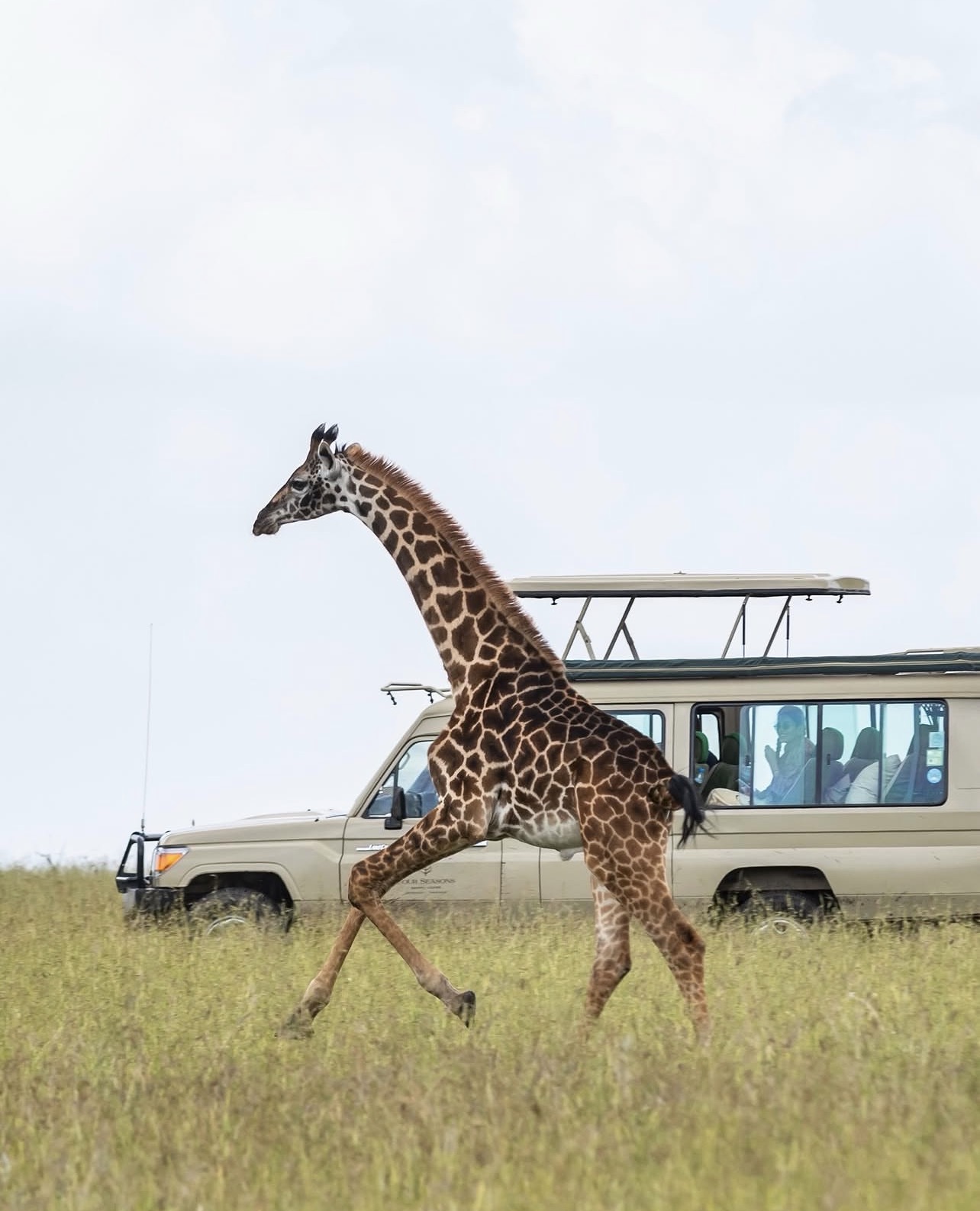
Imagine trekking through Kilimanjaro’s lush rainforests and alpine landscapes, reaching the summit of Uhuru Peak, and then exploring the African savannah in search of elephants, lions, giraffes, leopards and other incredible wildlife.
With careful planning, you can combine your mountain adventure with visits to Serengeti National Park, Ngorongoro Crater and Tarangire National Park. You can also extend your holiday to Zanzibar for beautiful beaches, historic Stone Town and relaxing island experiences.
At PALE TOURS AND ADVENTURE, we help travelers plan personalized Tanzania holidays that combine Kilimanjaro climbing, wildlife safaris and optional Zanzibar beach escapes.
How Many Days Do You Need for Kilimanjaro and Safari?
The ideal duration for a Kilimanjaro climb and safari package depends on your chosen mountain route, the number of national parks you wish to visit, your accommodation preferences and your international flight schedule.
Here are some suggested trip durations to help you plan.
| Total trip duration | Suggested experience |
|---|---|
| 10–12 days | A suitable shorter combination, depending on the climbing route and safari length |
| 13–16 days | Kilimanjaro trekking followed by a 3–4 day northern Tanzania safari |
| 17–20 days | A longer mountain climb, extended wildlife safari and optional Zanzibar stay |
| 21 days or more | A comprehensive Tanzania holiday combining trekking, multiple safari destinations and beach relaxation |
Our recommendation: If possible, allow approximately 13–16 days for a comfortable Kilimanjaro and safari adventure. This provides more flexibility for mountain acclimatization, recovery after the climb and exploring Tanzania’s wildlife destinations.
The exact itinerary should be planned around a suitable climbing route rather than trying to fit the mountain into an overly short schedule.
Recommended Itinerary: Kilimanjaro Climb and Tanzania Safari
Below is an example of how you could combine Mount Kilimanjaro with a northern Tanzania wildlife safari.
Days 1–8: Climb Mount Kilimanjaro
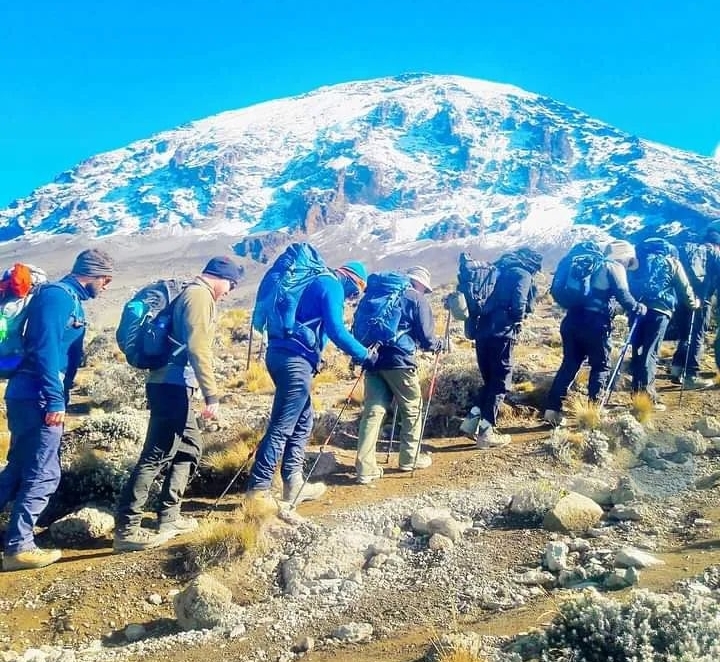
Begin your adventure with a guided trek up Mount Kilimanjaro, which rises to 5,895 metres above sea level.
Choose a route that matches your available time and preferences, such as the Machame, Lemosho, Marangu or Rongai Route. Each route offers different scenery, accommodation arrangements and acclimatization opportunities.
As you ascend, you will experience several vegetation zones, from lush tropical rainforest to moorland, alpine desert and the spectacular high-altitude summit environment.
Your climbing package can be arranged according to the selected route and itinerary, including mountain guides, porters, meals and camping or hut accommodation where applicable.
The number of climbing days depends on your route. Longer itineraries generally provide more time for acclimatization and are worth considering when planning your summit attempt.
Day 9: Rest and Recover in Moshi or Arusha
After descending from Kilimanjaro, spend a day relaxing at your hotel in Moshi or Arusha.
Enjoy a comfortable bed, a hot shower and time to recover before starting your safari. After several days of hiking at high altitude, a rest day can make the transition to your wildlife adventure more comfortable.
Your accommodation and transfer arrangements can be coordinated as part of your overall itinerary.
Day 10: Explore Tarangire National Park
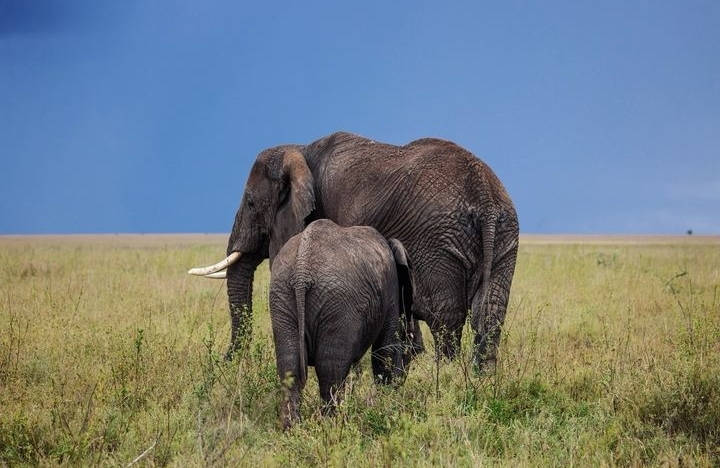
Start your Tanzania wildlife safari with a visit to Tarangire National Park, known for its impressive elephant populations, iconic baobab trees and diverse wildlife.
During your game drive, you may encounter elephants, giraffes, zebras, wildebeest, buffalo and a variety of bird species. Wildlife sightings depend on the season and conditions within the park.
Enjoy the scenery and wildlife with your safari guide before continuing to your overnight accommodation.
Day 11: Discover Ngorongoro Crater
Continue to the Ngorongoro Conservation Area for a wildlife experience inside the spectacular Ngorongoro Crater.
The crater is one of Tanzania’s most remarkable wildlife destinations, offering opportunities to see lions, elephants, buffalo, zebras and, with luck, the endangered black rhinoceros.
After your game drive, return to your lodge or continue to your next destination according to your chosen itinerary.
Days 12–13: Experience Serengeti National Park
If your schedule allows, extend your safari to Serengeti National Park, one of Africa’s most celebrated wildlife destinations.
The Serengeti is famous for its vast grasslands, exceptional predator sightings and the Great Wildebeest Migration. Depending on the season and location, you may have opportunities to see lions, cheetahs, leopards, elephants and large herds of grazing animals.
For travelers interested in the Great Migration, the safari route should be planned around the animals’ seasonal movements. The best area to visit varies throughout the year.
Adding Serengeti to your itinerary allows you to experience more of Tanzania’s diverse wildlife and landscapes.
Optional Extension: Relax in Zanzibar
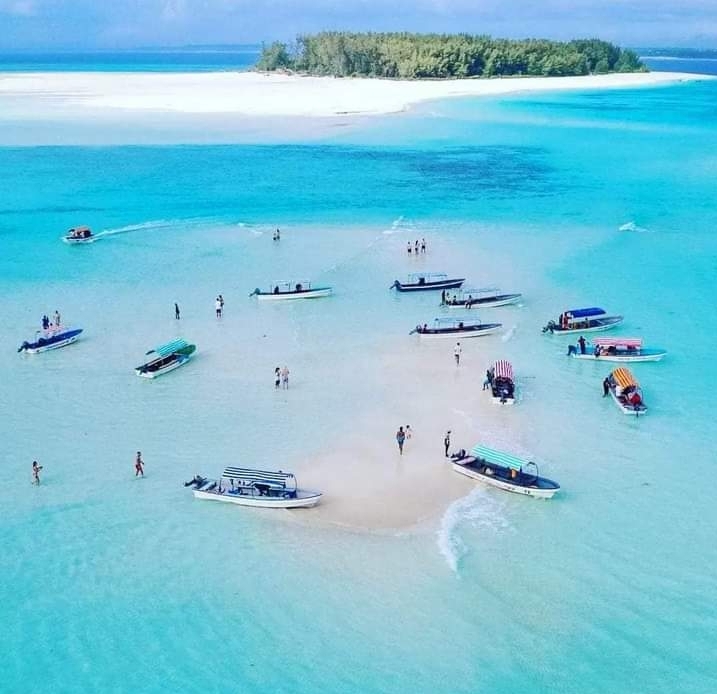
After your Kilimanjaro climb and wildlife safari, continue to Zanzibar for a relaxing island holiday.
Enjoy white-sand beaches, turquoise waters, traditional Swahili culture and a slower pace of travel. Optional activities include a Stone Town walking tour, a spice farm visit, snorkeling and boat excursions, subject to availability and conditions.
Zanzibar is an excellent way to finish your Tanzania adventure after the physical demands of mountain trekking and exciting days on safari.
Should You Climb Kilimanjaro Before or After Your Safari?
Both options are possible, but climbing Kilimanjaro first and going on safari afterward is often a practical choice.
Climbing first allows you to focus on the physical demands of the mountain before enjoying wildlife viewing at a more relaxed pace. You can also schedule a recovery day after descending before beginning your safari.
However, the best order depends on your arrival and departure flights, travel dates, fitness, accommodation availability and overall itinerary. Your travel plan should include enough time for safe acclimatization, descent and recovery.
What Is the Best Time to Combine Kilimanjaro Climbing and Safari?
Tanzania offers opportunities for mountain climbing and wildlife safaris throughout the year. However, seasonal weather conditions and wildlife movements can influence your experience.
- January to early March: A popular period for Kilimanjaro climbing. It is also a particularly interesting time to visit the Ndutu area for the wildebeest calving season, although the timing varies with rainfall and grazing conditions.
- June to October: Generally a favorable period for climbing and wildlife viewing during the drier season. The Serengeti offers excellent safari opportunities, but the location of the Great Migration changes throughout the year.
- November to December: Short rains may occur, but both climbing and safari trips remain possible with suitable preparation.
- April to May: The long rainy season can bring wetter mountain trails and more challenging road conditions in some safari areas.
If your main goal is to see the Great Wildebeest Migration, tell us your preferred travel dates so we can recommend the most suitable safari areas.
How Much Does a Kilimanjaro and Safari Package Cost?
The cost of a Kilimanjaro climbing and Tanzania safari package varies according to your travel dates, group size, mountain route, accommodation category and safari itinerary.
The main factors affecting the price include:
- Kilimanjaro route and duration: Different routes require different numbers of days and arrangements.
- Group size: Private climbs and safaris offer different pricing structures from shared or group departures.
- Safari destinations: Visiting Tarangire and Ngorongoro generally requires a different budget from adding several days in the Serengeti.
- Accommodation: Choose from budget camping, comfortable lodges, tented camps or luxury properties.
- Included services: Mountain permits, park fees, guides, porters, meals, transport and accommodation all affect the total cost.
- Optional extensions: Domestic flights and a Zanzibar beach holiday can increase the overall budget.
When comparing quotations, check exactly which services, fees and transfers are included. This helps you understand the total cost and avoid unexpected expenses.
We can help you:
- Select a Kilimanjaro route and duration suited to your travel plans.
- Plan sufficient time for acclimatization and recovery.
- Explore Tarangire, Serengeti and Ngorongoro on a guided wildlife safari.
- Choose accommodation according to your comfort preferences and budget.
- Arrange transfers and optional domestic flights.
- Extend your trip to Zanzibar for a beach holiday.
Our aim is to make planning your Tanzania adventure straightforward, with an itinerary designed around your interests, schedule and budget.
ou plan an unforgettable journey from the slopes of Mount Kilimanjaro to the wildlife-rich plains of Tanzania.
Frequently Asked Questions About Combining Kilimanjaro and Safari
Can I climb Kilimanjaro and go on safari in 10 days?
It may be possible, depending on the route and safari duration, but the schedule can be tight. Choose a suitable climbing itinerary with adequate acclimatization time and allow for descent and recovery before starting your safari.
Should I climb Kilimanjaro before going on safari?
Climbing first is often practical because you can recover after the trek before enjoying game drives. However, either order can work when planned around your flights and personal preferences.
Can beginners combine Kilimanjaro climbing with a safari?
Yes. Beginners can combine both experiences, provided they prepare physically and choose a climbing route with adequate time for acclimatization. Previous technical mountaineering experience is generally not required for the standard trekking routes.
Which safari parks should I visit after Kilimanjaro?
Tarangire National Park, Ngorongoro Crater and Serengeti National Park are excellent options. Your choice depends on your available time, budget and wildlife interests.
Can I add Zanzibar after climbing Kilimanjaro and going on safari?
Yes. You can arrange a domestic flight to Zanzibar after your safari, subject to flight schedules and availability. Allow sufficient time for road transfers, check-in requirements and your international departure.
Is a private or group safari better after Kilimanjaro?
A private safari offers greater flexibility with departure times, accommodation and itinerary choices. A group safari can be more economical, although departure dates and arrangements may be less flexible.
What should I book first?
Start by confirming your international travel dates and choosing a suitable Kilimanjaro route. Then arrange your safari, accommodation, transfers and any domestic flights. Booking in advance is particularly useful during popular travel periods.
Can I combine Kilimanjaro, safari and Zanzibar in one holiday?
Yes. With sufficient time, you can climb Kilimanjaro, explore Tanzania’s national parks and finish your trip with a Zanzibar beach holiday. A trip of approximately two to three weeks can provide a more comfortable schedule, depending on the route and activities you choose.