Best Time to Climb Mount Kilimanjaro: A Complete Month-by-Month Guide
Best Time to Climb Mount Kilimanjaro: A Complete Month-by-Month Guide
Mount Kilimanjaro, located in northern Tanzania, is Africa’s highest mountain and one of the world’s most popular trekking destinations. Choosing the best time to climb Mount Kilimanjaro can make a significant difference to your trekking experience, from trail conditions and mountain views to the number of climbers on the route.
Although Kilimanjaro can be climbed throughout the year, the most popular climbing seasons are January to early March and June to October. These periods generally offer more favorable trekking conditions, although mountain weather can change quickly at any time.
At PALE TOURS AND ADVENTURE, we help travelers choose the right climbing season, route and itinerary to suit their travel plans and experience.
When Is the Best Time to Climb Mount Kilimanjaro?
The best time to climb Mount Kilimanjaro is generally during the drier months. However, each season offers a different experience depending on your priorities, such as weather, scenery, trail conditions and crowd levels.
January to Early March: A Great Time for Mountain Views
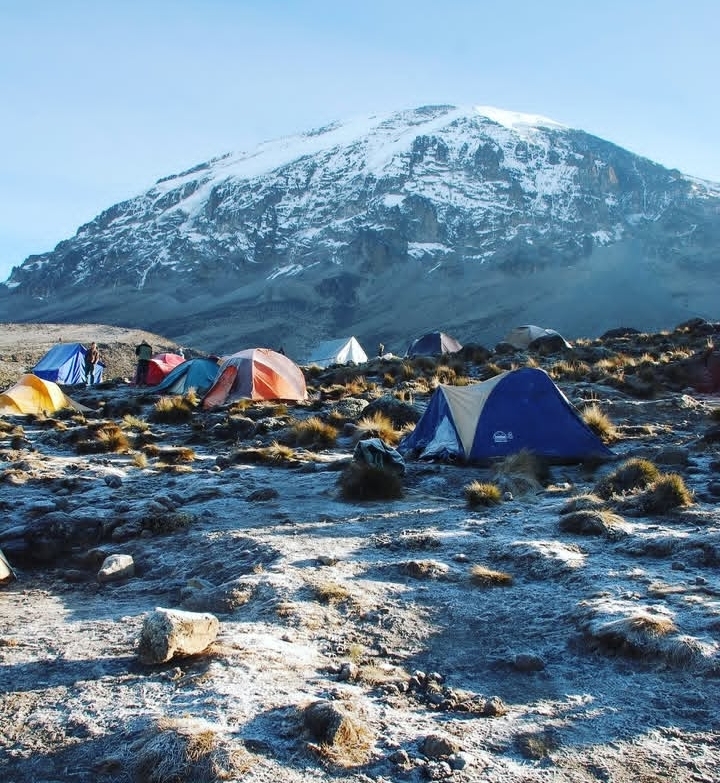
January to early March is one of the main climbing seasons on Mount Kilimanjaro. Conditions are often relatively dry, and visibility can be excellent. Temperatures become much colder as you approach the summit, and snow may occur at higher elevations.
This period can be a good choice for climbers who want favorable trekking conditions outside the busiest mid-year months.
Why climb during this period?
- Generally favorable trekking conditions.
- Potentially excellent mountain and summit views.
- A good alternative to the busy July–September season.
- Opportunities to experience Kilimanjaro’s changing landscapes.
June to October: The Most Popular Kilimanjaro Climbing Season
June to October is widely considered one of the best periods to climb Mount Kilimanjaro. Rainfall is generally lower than during the main rainy seasons, making this a popular time for international visitors.
July, August and September are especially busy, so we recommend arranging your climb and accommodation in advance.
Why choose June to October?
- Generally drier trails.
- Good opportunities for panoramic views.
- Popular with first-time and experienced trekkers.
- Suitable conditions for many of Kilimanjaro’s established routes.
April and May: The Long Rainy Season
April and May are usually the wettest months on Mount Kilimanjaro. Rain can make trails muddy and slippery, while clouds may limit visibility. Climbing is still possible, but you should be prepared for wet conditions, cold temperatures and changing weather.
This period may suit travelers with flexible schedules who are comfortable with the challenges of trekking during the rainy season.
November to December: The Short Rainy Season
November and parts of December often experience short rains, although conditions vary from year to year. Climbers may encounter wet trails, cloud cover and occasional clear periods.
Kilimanjaro remains climbable during this season with proper preparation, suitable waterproof equipment and an experienced mountain crew.
Best Month to Climb Kilimanjaro: Quick Comparison
| Month or period | Typical conditions | What to consider |
|---|---|---|
| January–February | Often relatively dry | Popular climbing period |
| Early March | Conditions can still be favorable | Rain becomes more likely later in the month |
| April–May | Long rainy season | Wet, muddy trails are more likely |
| June | Often becoming drier | A good option as the main dry season begins |
| July–September | Generally drier and popular | Book early due to higher demand |
| October | Often favorable, with changing conditions | Rain may increase toward the end of the month |
| November–December | Short rains may occur | Be prepared for variable weather |
These are general seasonal patterns, not guarantees. Weather conditions can differ between routes and elevations.
Which Kilimanjaro Route Is Best?
Choosing the right route is just as important as choosing the best time to climb Mount Kilimanjaro. The main routes differ in scenery, accommodation, duration and acclimatization opportunities.
1. Machame Route
The Machame Route is known for its beautiful scenery and varied landscapes. It is a popular choice for climbers who want a scenic trekking experience. A longer itinerary allows more time for acclimatization.
2. Lemosho Route
The Lemosho Route offers a scenic approach, with beautiful views and a longer trekking itinerary. It is an excellent option for climbers who prefer a more gradual ascent and can allow sufficient time on the mountain.
3. Marangu Route
The Marangu Route is famous for its mountain hut accommodation. It is often selected by travelers who prefer sleeping in huts rather than tents. Choosing enough days for acclimatization remains important.
4. Rongai Route
The Rongai Route approaches Kilimanjaro from the northern side near the Kenyan border. It offers a different perspective of the mountain and may be worth considering when comparing route conditions and travel dates.
5. Northern Circuit Route
The Northern Circuit is a longer route that explores the quieter northern slopes of Kilimanjaro. Its extended duration offers valuable time for acclimatization, although summit success is never guaranteed.
How Many Days Do You Need to Climb Mount Kilimanjaro?
Most climbers should plan for approximately 5–9 days on the mountain, depending on the route and itinerary. Longer routes generally provide more time to acclimatize, which can improve the chance of reaching the summit.
For many travelers, a seven- or eight-day itinerary is worth considering rather than choosing a shorter climb solely to save time. Your fitness, altitude response, route and guide’s recommendations should all influence your decision.
Is Mount Kilimanjaro Suitable for Beginners?
Yes. Many people climb Mount Kilimanjaro without previous technical mountaineering experience. However, it is a high-altitude trek that requires preparation, patience and a realistic understanding of the physical demands.
Before your climb, you should:
- Build your endurance through regular walking, hiking or cardio exercise.
- Choose a route with adequate acclimatization time.
- Bring suitable hiking boots, warm layers and waterproof clothing.
- Follow your mountain guide’s safety instructions.
- Take altitude-related symptoms seriously and tell your guide if you feel unwell.
Good preparation can help you enjoy the journey, but no particular month, route or fitness level can guarantee reaching Uhuru Peak.
What Should You Pack for Kilimanjaro?
Temperatures vary significantly between the mountain’s lower slopes and the summit. You should prepare for warm conditions at the start and freezing temperatures at high altitude.
Essential items include:
- Waterproof jacket and trousers.
- Insulated jacket and warm layers.
- Comfortable, broken-in hiking boots.
- Thermal base layers, gloves and a warm hat.
- Daypack, water bottles or a hydration system.
- Headlamp, sunglasses and sun protection.
- Personal medication and any recommended medical supplies.
Your final packing list should match your route, season and the equipment provided by your tour operator.
Frequently Asked Questions About the Best Time to Climb Kilimanjaro
What is the best month to climb Mount Kilimanjaro?
January, February, July, August and September are popular choices because conditions are often relatively dry. The best month for you will depend on your schedule, preferred route and tolerance for crowds.
Can you climb Kilimanjaro all year round?
Yes, climbs operate throughout the year, but weather conditions vary. April and May are usually the wettest months, while January to early March and June to October are generally more favorable periods.
Is January a good time to climb Kilimanjaro?
Yes. January is a popular climbing month, often offering relatively dry conditions and good visibility, although weather can change at any time.
Is August a good time to climb Kilimanjaro?
August is one of the most popular months because it generally falls within the drier season. Demand can be high, so advance planning is recommended.
Is it better to climb Kilimanjaro in January or August?
Both can be good choices. January is part of the early-year climbing season, while August falls within the busy mid-year dry season. Your best option depends on your travel dates, preferred atmosphere and availability.
What is the coldest month on Kilimanjaro?
Temperatures depend more on altitude and weather conditions than on the calendar month alone. The summit can be below freezing throughout the year, particularly at night.
What is the easiest route to climb Kilimanjaro?
There is no universally easiest route. Route difficulty depends on duration, elevation gain, trail conditions and acclimatization. A longer itinerary is often preferable because it provides more time to adjust to altitude.
What is the success rate for climbing Kilimanjaro?
Success rates vary by route, itinerary length, operator and individual acclimatization. Longer itineraries generally offer better opportunities to adjust to altitude, but no operator can guarantee summit success.
Recent Posts