Where to Go in Tanzania in February ?
Best Places to Visit in Tanzania in February: Safari, Great Migration and Zanzibar
February is one of the best months to visit Tanzania, especially for travelers looking for unforgettable wildlife safaris, the Great Migration calving season, breathtaking landscapes, and relaxing beach holidays. From the wildlife-rich plains of Ndutu and Serengeti to the spectacular Ngorongoro Crater and the tropical beaches of Zanzibar, Tanzania offers incredible experiences for every kind of traveler.
If you are planning a Tanzania safari in February, here are the best destinations to include in your itinerary.
1. Ndutu – Best Place to Experience the Great Migration in February
Ndutu is one of the most exciting destinations to visit in Tanzania in February. During this period, the southern Serengeti and Ndutu plains are often the center of the Great Migration calving season.
Visitors may witness thousands of wildebeest giving birth, newborn calves taking their first steps, and large herds of zebras grazing across the open plains. The abundance of young animals also attracts predators, including lions, cheetahs, leopards, and hyenas.
Recommended stay: 2 nights in the Ndutu area.
For travelers who want to experience the Great Migration, Ndutu should be a priority when planning a February safari in Tanzania.
2. Serengeti National Park – Discover Africa’s Famous Wildlife
Serengeti National Park is one of Africa’s most famous safari destinations, offering vast savannah plains, incredible wildlife encounters, and beautiful African sunsets.
In February, the southern Serengeti is particularly important for the Great Migration. Depending on rainfall and the movement of the herds, visitors can enjoy excellent opportunities to see wildebeest, zebras, lions, elephants, cheetahs, and leopards.
A safari in the Serengeti is ideal for wildlife photography, couples on honeymoon, families, and anyone dreaming of an authentic African safari.
Recommended stay: 2–3 nights, depending on your itinerary and preferred wildlife areas.
3. Ngorongoro Crater – A Spectacular Wildlife Destination
The Ngorongoro Crater is one of Tanzania’s most remarkable natural attractions. Its dramatic volcanic landscape, grasslands, forests, and water sources support a wide variety of wildlife.
During a crater safari, you may encounter lions, elephants, buffaloes, zebras, hippos, and, with luck, the endangered black rhino.
The crater is an excellent addition to a Serengeti or Ndutu safari, offering rewarding wildlife viewing within a relatively compact area.
Recommended stay: Allow one full day for a crater game drive, with an overnight stay nearby if needed.
4. Tarangire National Park – The Land of Elephants and Baobab Trees
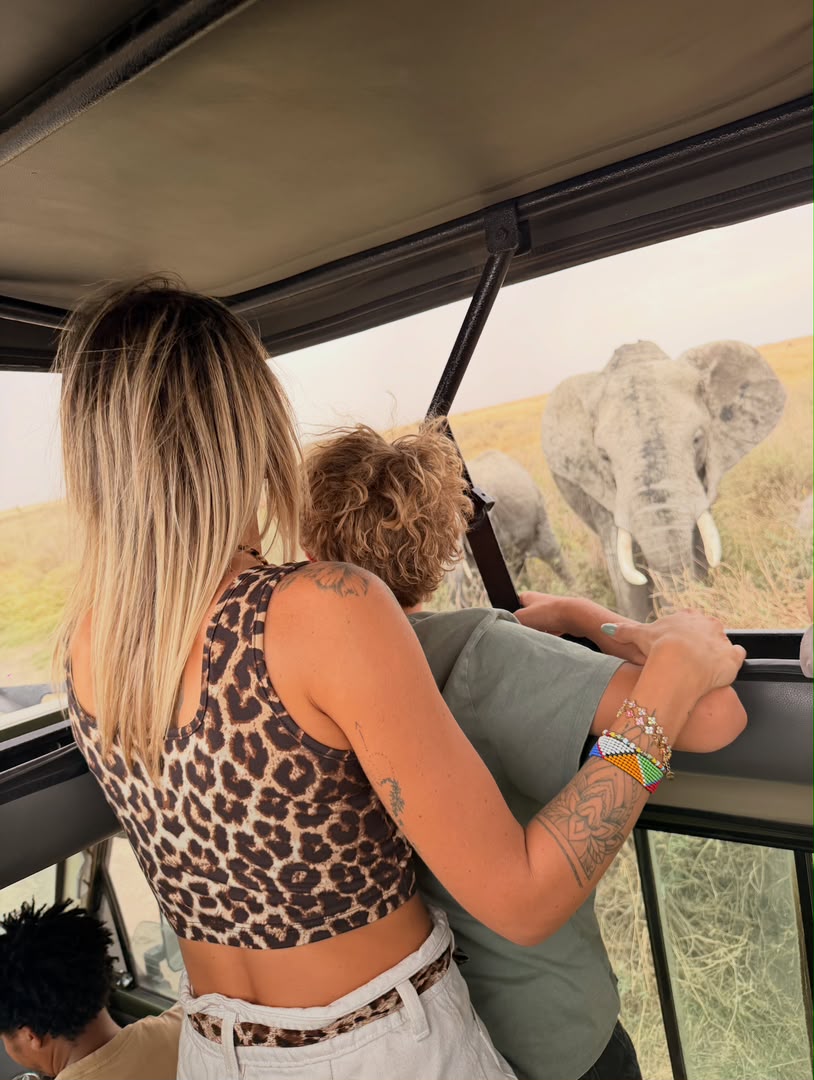
Tarangire National Park is famous for its large elephant herds, ancient baobab trees, and diverse wildlife. It is a wonderful destination for travelers who want to explore another side of Tanzania’s northern safari circuit.
You may see elephants, giraffes, zebras, wildebeest, antelopes, and numerous bird species. Wildlife distribution changes with the seasons, so sightings can vary.
Tarangire is a great option for a day safari or as part of a multi-day northern Tanzania safari.
Recommended stay: One full day, or longer if you want a more relaxed experience.
5. Zanzibar – Beautiful Beaches and Island Experiences
After several days exploring Tanzania’s national parks, Zanzibar offers the perfect opportunity to relax beside the Indian Ocean.
February is generally a warm month for a beach holiday. Travelers can enjoy white-sand beaches, turquoise waters, snorkeling, diving, spice farm visits, and cultural experiences in historic Stone Town.
Popular activities include:
- Relaxing on the beaches of Nungwi and Kendwa.
- Exploring the historic streets of Stone Town.
- Visiting a traditional spice farm.
- Enjoying snorkeling and boat excursions.
- Watching the sunset on a dhow cruise.
Recommended stay: 3–4 nights, depending on your interests.
Combining a Tanzania wildlife safari with Zanzibar is an excellent way to experience both the country’s wilderness and its tropical coastline.
6. Mount Kilimanjaro – An Adventure Above the Clouds
For adventure seekers, Mount Kilimanjaro is another destination to consider in February. As Africa’s highest mountain, it attracts climbers from around the world who dream of reaching Uhuru Peak.
February can offer favorable trekking conditions, although mountain weather is unpredictable and rain or snow is possible. Proper preparation, suitable equipment, and gradual acclimatization are essential.
If you do not have enough time for a summit expedition, you can consider a shorter day hike in the Kilimanjaro area.
Recommended stay: Approximately 6–9 days for a summit trek, depending on the route and itinerary.
Best Tanzania Safari Itinerary for February
If you have limited time, a 4–5-day northern Tanzania safari can combine the most rewarding wildlife destinations.
Day 1: Tarangire National Park
Enjoy a game drive among elephants, baobab trees, and other wildlife.
Day 2: Transfer to Ndutu
Travel to the Ndutu area and enjoy a game drive if time permits.
Day 3: Ndutu Great Migration Safari
Spend a full day searching for wildebeest herds, newborn calves, and predators.
Day 4: Ngorongoro Crater
Explore the crater floor on a game drive before continuing to your overnight destination.
Day 5: Departure or Optional Extension
Return to Arusha or continue to Zanzibar for a relaxing beach holiday.
Important: Travel times and the best route depend on your arrival point, accommodation, and wildlife conditions. For a longer safari, consider adding more time in Ndutu and the Serengeti rather than rushing between parks.
Why Visit Tanzania in February?
February offers a wonderful combination of wildlife viewing, scenic landscapes, and tropical beach experiences.
Key reasons to visit include:
- The Great Migration calving season in Ndutu and the southern Serengeti.
- Opportunities to observe predators in areas where young animals are abundant.
- Excellent photography opportunities across the open plains.
- The chance to combine a wildlife safari with a Zanzibar beach holiday.
- Opportunities for mountain trekking and cultural experiences.
The weather is generally warm, but short rains can occur, and wildlife movements depend on rainfall. Booking accommodation early is advisable if you want to stay in the Ndutu area during the calving season.
Recent Posts