What Happens During a Typical Day on a Tanzania Safari?
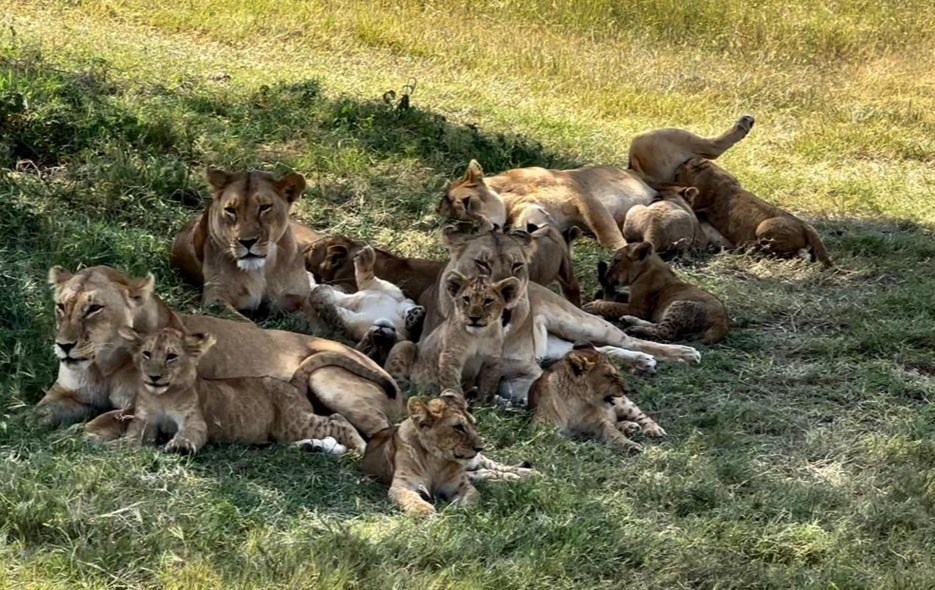
Going on a Tanzania safari is one of the most exciting ways to experience Africa’s natural beauty and wildlife. From watching elephants crossing open savannahs to observing lions resting under trees, every game drive offers opportunities to discover something extraordinary.
However, for travellers planning their first African safari, one common question is: What actually happens during a typical day on a Tanzania safari?
Understanding the daily safari schedule can help you prepare for your journey, know what to expect and make the most of your wildlife experience.
A typical safari day involves an early morning start, breakfast, wildlife game drives, a picnic lunch, afternoon exploration and time to relax at your lodge or tented camp.
The exact schedule depends on the national park, accommodation location, season and type of safari package you book.
At Pale Tours, we organise Tanzania safari experiences designed to give travellers opportunities to explore the country’s remarkable wildlife and landscapes.
In this guide, we explain what happens throughout a typical day on safari, from the early morning departure to the evening at your accommodation.
1. What Time Does a Typical Tanzania Safari Day Start?
Most Tanzania safari days begin early in the morning, usually between 6:00 AM and 7:30 AM, depending on the itinerary and accommodation location.
An early start is important because many animals are more active during the cooler morning hours.
After waking up, you will have breakfast at your lodge or tented camp before preparing for the day’s game drive.
Your safari guide will normally explain the day’s activities, confirm the route and ensure that everything is ready before departure.
If you are staying inside or close to a national park, you may start your game drive earlier than travellers staying farther away.
Early morning game drives are particularly rewarding because you may encounter predators returning from hunting, elephants moving between feeding areas and other animals becoming active.
2. What Happens During the Morning Game Drive?
The morning game drive is often one of the highlights of a Tanzania safari.
After breakfast, you enter the national park in a specially designed 4×4 safari Land Cruiser.
The vehicle normally has a pop-up roof that allows passengers to stand safely inside and enjoy better views of wildlife.
Your professional safari guide drives through different wildlife areas while looking for animals and explaining their behaviour.
Depending on the destination, you may encounter:
- African elephants
- Lions
- Leopards
- Giraffes
- Zebras
- Wildebeests
- African buffaloes
- Hyenas
- Antelopes
- Different bird species
Every game drive is different because animals move freely in their natural environment.
Your guide may stop when interesting wildlife is spotted, giving you time to observe, photograph and enjoy the experience.
In parks such as Serengeti, Tarangire and Ngorongoro, morning game drives offer excellent opportunities to explore diverse landscapes and wildlife habitats.
3. How Long Does a Morning Game Drive Last?
The duration of a morning game drive depends on the safari itinerary and the wildlife viewing opportunities.
On a full-day safari, the morning game drive may continue for several hours before a lunch break.
During multi-day safaris, the schedule may include shorter morning drives followed by breakfast or a return to the lodge, depending on the accommodation and itinerary.
Some travellers prefer a full-day game drive with a picnic lunch inside the national park, allowing them to spend more time exploring wildlife areas.
Your safari guide will help organise the schedule according to the day’s activities and park regulations.
4. What Happens During Lunch on a Tanzania Safari?
Lunch is an important part of the daily safari experience.
Most full-day game drives include a picnic lunch at a designated picnic site inside the national park.
These picnic areas provide a place for visitors to enjoy their meals, take a short break and use available facilities.
A typical picnic lunch may include:
- Rice or pasta
- Chicken or other prepared dishes
- Fresh vegetables
- Fruits
- Sandwiches
- Drinking water or other refreshments
The exact menu depends on the accommodation or tour operator arranging your safari.
Some safari itineraries include lunch at a lodge or camp instead of a picnic site.
After lunch, you can relax briefly before continuing with the afternoon game drive.
It is important to follow your guide’s instructions at picnic sites because these areas are located within natural wildlife environments.
5. What Happens During the Afternoon Game Drive?
After lunch, the safari continues with another opportunity to explore the national park.
Afternoon game drives allow visitors to discover different wildlife areas and observe animals that may have been difficult to find earlier in the day.
Depending on the park and weather conditions, you may see elephants feeding, giraffes moving across the plains, zebras grazing or predators resting in shaded areas.
In Serengeti National Park, afternoon game drives may provide opportunities to explore open grasslands and search for predators.
In Tarangire National Park, visitors may encounter elephant families and other animals around the river and surrounding vegetation.
Your guide may choose a different route depending on wildlife movements and the time available.
One of the most enjoyable aspects of a safari is that every day can bring a different wildlife experience.
6. What Time Does a Safari Day Usually End?
A typical safari game drive usually ends in the late afternoon, although the exact time depends on the itinerary and national park regulations.
After spending the day exploring wildlife areas, your guide drives you back to your lodge or tented camp.
For travellers staying outside a national park, the journey back may take additional time.
Once you arrive, you can relax, enjoy refreshments and prepare for dinner.
Some lodges offer beautiful views of the surrounding landscapes, creating a peaceful atmosphere after an exciting day of wildlife viewing.
During multi-day safaris, your guide will also explain the plans for the following day.
7. What Happens in the Evening at a Safari Lodge or Tented Camp?
Evenings are an important part of the Tanzania safari experience.
After returning from the game drive, visitors usually have time to relax before dinner.
Depending on the accommodation, evening activities may include:
- Enjoying refreshments.
- Relaxing around the lodge.
- Watching the sunset.
- Taking photographs of the surrounding landscape.
- Enjoying dinner.
- Preparing for the following day’s safari.
Many lodges and tented camps offer comfortable dining areas where guests can enjoy meals after a day of wildlife exploration.
Some accommodations also provide campfire experiences or other evening activities, depending on their facilities.
If you are staying in a wildlife area, always follow the accommodation’s safety instructions, especially when moving around after dark.
8. Do You Sleep Inside or Outside Tanzania National Parks?
Tanzania offers different accommodation options for safari travellers.
You can stay inside national parks, in nearby conservation areas or in towns and villages outside the parks.
Lodges Inside National Parks
Staying inside a national park can provide convenient access to wildlife areas and allow you to enjoy early morning game drives.
This option is popular with travellers who want to spend more time exploring the park.
Tented Camps
Tented camps offer a combination of nature and comfort.
These accommodations typically provide permanent safari tents with beds, bathrooms and other facilities, depending on the property.
They are different from basic public campsites where visitors bring or arrange their own camping equipment.
Accommodation Outside National Parks
Travellers looking for more affordable options can stay in nearby areas such as Karatu or Mto wa Mbu, depending on the safari itinerary.
The best accommodation depends on your budget, preferred comfort level and the locations you plan to visit.
At Pale Tours, we help travellers select suitable accommodation according to their safari preferences.
9. Is Every Day on a Tanzania Safari the Same?
No. Every safari day can be different depending on the national park, wildlife movements, season and accommodation arrangements.
For example, a day in Tarangire may focus on elephant viewing and exploring baobab landscapes.
A day in Serengeti may involve searching for lions, leopards, cheetahs and large herds of wildebeests.
A visit to Ngorongoro Crater offers an opportunity to explore a unique volcanic landscape with a remarkable concentration of wildlife.
The daily schedule can also change depending on whether you are travelling between parks or spending several nights in the same destination.
This variety makes a multi-day Tanzania safari particularly rewarding.
10. What Is the Difference Between a Private Safari and a Group Safari Daily Schedule?
The general structure of a private and group safari is similar, but there are differences in flexibility.
Private Safari Schedule
A private safari provides a dedicated vehicle and guide for your booking.
You can usually enjoy more flexibility with departure arrangements, wildlife viewing stops and the pace of the journey.
This is a good option for couples, families and travellers who prefer a personalised experience.
Group Safari Schedule
A group safari follows an agreed itinerary and departure schedule.
Travellers share transportation with other guests, making this option more affordable.
Meal breaks, game drives and return times are generally organised according to the group itinerary.
Both options offer opportunities to experience Tanzania’s wildlife.
The best choice depends on your budget and travel preferences.
11. What Should You Bring During a Typical Safari Day?
Preparing the right items will help you enjoy your safari comfortably.
We recommend bringing:
- Comfortable safari clothing.
- Sunglasses.
- Sunscreen.
- A hat or cap.
- A camera or smartphone.
- Binoculars.
- A light jacket for cooler mornings.
- Personal medication.
- Extra camera batteries.
- A power bank.
Neutral-coloured clothing is a practical choice for safari activities.
You should also carry a small day bag for personal belongings.
If you enjoy photography, consider bringing an additional memory card because you may take many pictures throughout the day.
12. Is a Tanzania Safari Comfortable for First-Time Visitors?
Yes. Tanzania safaris are suitable for many first-time visitors, particularly when organised with an experienced local tour operator.
A professional safari guide helps manage the daily schedule, explain wildlife behaviour and provide information about the national parks.
Modern 4×4 safari vehicles are designed to make wildlife viewing more comfortable, with seating arrangements and pop-up roofs.
Accommodation options also range from budget-friendly lodges to luxury safari camps.
Travellers can select an experience that matches their budget, preferred comfort level and travel expectations.
If you are visiting Africa for the first time, a well-planned three-to-five-day northern Tanzania safari can be an excellent introduction to the country’s wildlife destinations.
13. Why Choose Pale Tours for Your Tanzania Safari?
Pale Tours is a local Tanzania safari company based in Arusha, specialising in wildlife safaris, Kilimanjaro trekking and adventure experiences.
We understand that planning an African safari involves more than simply choosing a national park. Travellers also need suitable accommodation, reliable transportation, professional guiding services and a practical daily itinerary.
Our team helps organise private and group safaris to some of Tanzania’s most popular destinations, including:
- Serengeti National Park.
- Ngorongoro Crater.
- Tarangire National Park.
- Lake Manyara National Park.
- Arusha National Park.
Our safaris use 4×4 Land Cruiser vehicles designed for wildlife viewing and comfortable journeys.
Whether you are planning a short day trip or a longer safari adventure, we can help you arrange an experience according to your travel dates, interests and budget.
Conclusion: Make Every Day of Your Tanzania Safari Memorable
A typical day on a Tanzania safari combines early morning wildlife viewing, exciting game drives, picnic lunches, afternoon exploration and relaxing evenings at comfortable lodges or tented camps.
Although daily schedules vary between destinations and safari packages, each day offers opportunities to discover Tanzania’s extraordinary wildlife and natural beauty.
From watching elephants in Tarangire to searching for lions in Serengeti, a safari provides experiences that are difficult to forget.
If you are planning your first African safari, understanding the daily schedule will help you prepare and enjoy your journey with confidence.