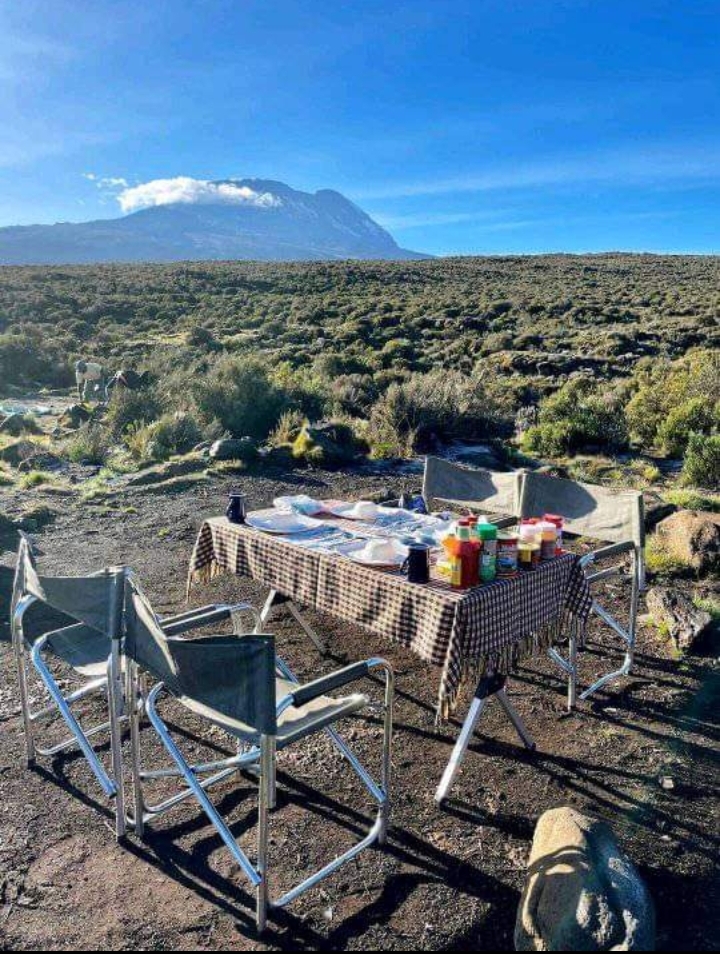
Climbing Mount Kilimanjaro, the highest mountain in Africa at 5,895 meters (19,341 feet), is a dream adventure for many travelers. However, because the mountain rises to a very high altitude within a short period, climbers need to understand the risks of altitude sickness and how to prepare properly.
Altitude sickness can happen when your body struggles to adapt to the reduced oxygen levels at high elevations. It can affect anyone, regardless of age, fitness level, or previous hiking experience. Even very experienced hikers can experience altitude-related symptoms when climbing Kilimanjaro.
What Is Diamox (Acetazolamide)?
Diamox (acetazolamide) is a medication commonly used to help prevent and reduce the effects of altitude sickness. It works by helping the body adjust more efficiently to high altitude by improving breathing and supporting the acclimatization process.
Many Kilimanjaro climbers choose to use Diamox as a preventive measure, especially because most routes involve gaining thousands of meters of elevation within only a few days.
Is Diamox Necessary for Climbing Kilimanjaro?
Diamox is not required for every climber, and some people successfully reach the summit without using it. The decision to take Diamox depends on your personal health, medical history, previous altitude experience, and advice from your healthcare provider.
For some climbers, Diamox provides extra support during the acclimatization process, while others prefer to rely on a slower climbing pace and natural adaptation.
Before taking Diamox, it is recommended to consult with your doctor to understand whether it is suitable for you and how it should be used.
The Most Important Ways to Prevent Altitude Sickness on Kilimanjaro
While Diamox can help, it should never replace proper preparation and responsible climbing practices. The most important factors include:
Choose the Right Number of Days
A longer climb gives your body more time to adjust. Routes of 7 days or more generally allow better acclimatization compared to shorter itineraries.
Follow the “Pole Pole” Approach
On Kilimanjaro, guides often say “Pole Pole”, meaning “slowly slowly” in Swahili. Walking at a steady pace allows your body to adapt better and increases your chances of reaching the summit.
Stay Hydrated and Eat Well
Drinking enough water and maintaining good nutrition helps your body perform during the climb.
Listen to Your Body
Always inform your mountain guide if you experience symptoms such as headaches, tiredness, dizziness, or difficulty adjusting. Experienced guides monitor climbers throughout the trek and make safety the priority.
What Should You Pack for Altitude?
Recommended items include:
- Good quality hiking boots.
- Warm layers for cold temperatures near the summit.
- Comfortable trekking clothes.
- Water bottles or hydration systems.
- Sunglasses and sun protection.
- Personal medications and any medication recommended by your doctor.
Final Thoughts
Diamox can be a useful tool for some climbers, but it is only one part of successful Kilimanjaro preparation. The best way to increase your chances of reaching the summit is choosing a suitable route, allowing enough time for acclimatization, climbing slowly, and following the guidance of an experienced mountain crew.
With proper preparation and the right mindset, many climbers successfully stand on Uhuru Peak — the Roof of Africa — and enjoy one of the world’s most unforgettable trekking experiences.