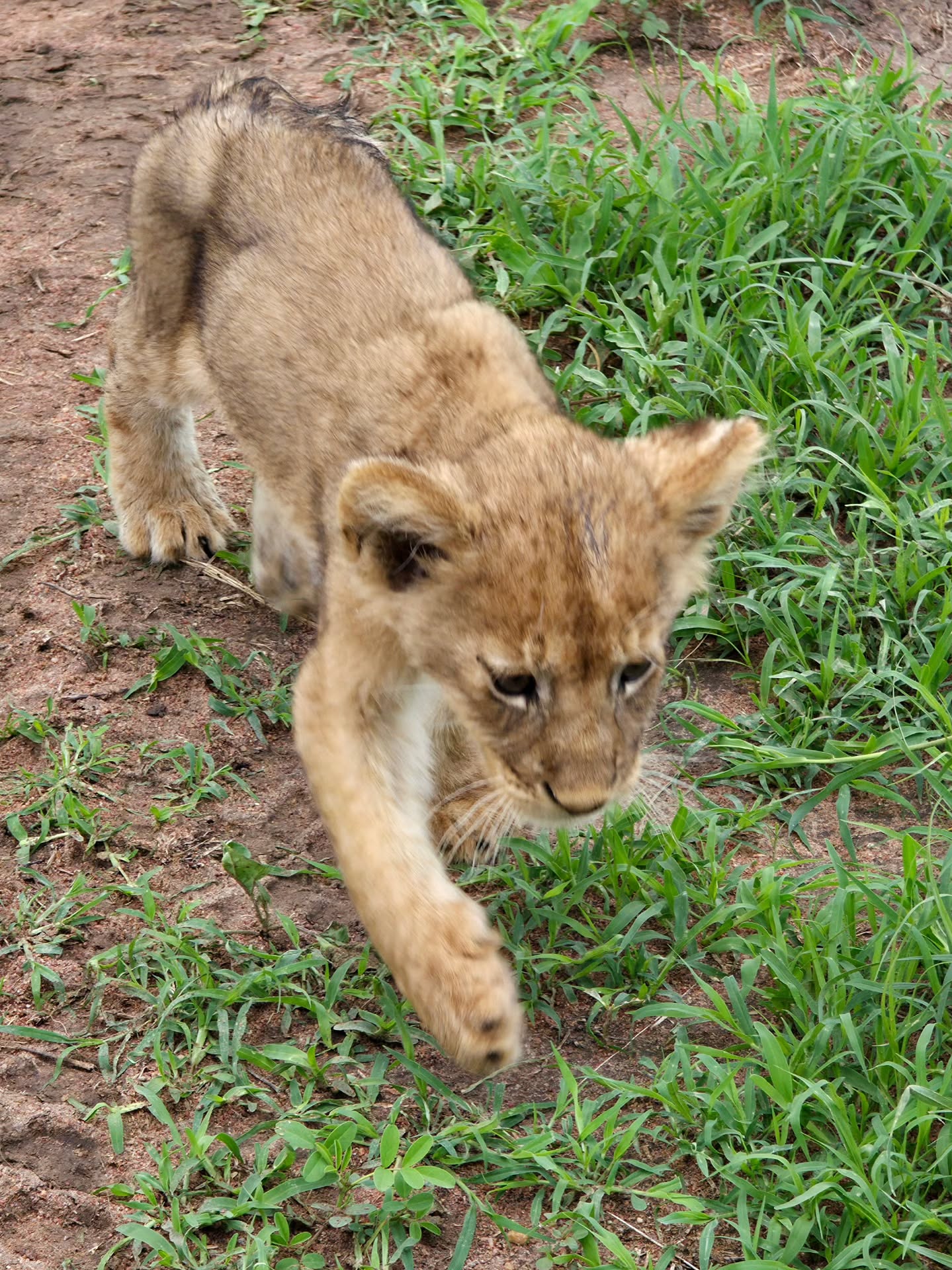
Is It Safe to Go on Safari in Tanzania? A Complete Safety Guide for Tourists
A Complete Safety Guide for Tourists
Tanzania is one of Africa’s most popular wildlife safari destinations, attracting thousands of international visitors every year. From the famous Serengeti National Park to the beautiful Ngorongoro Crater and Tarangire National Park, the country offers unforgettable wildlife experiences.
However, before booking a trip, many travellers ask an important question: Is it safe to go on safari in Tanzania?
The answer is yes. Tanzania is an established safari destination, and thousands of visitors enjoy wildlife safaris every year. However, like any international travel experience, it is important to follow safety guidelines, choose a reliable local tour operator and listen to your professional safari guide.
At Pale Tours, we understand that safety is an important part of planning a successful African adventure. This guide explains what travellers should know about Tanzania safari safety, wildlife encounters, safari vehicles, accommodation and general travel precautions.
1. Is Tanzania Safe for Tourists Visiting for a Safari?
Tanzania is generally considered a welcoming destination for international tourists. Popular safari destinations such as Arusha, Serengeti, Ngorongoro and Tarangire receive visitors throughout the year.
Most organised safaris take place with professional local guides who understand the national parks, wildlife behaviour and local road conditions.
To enjoy a safe Tanzania safari, travellers should:
- Book with a reputable Tanzania safari company.
- Use an experienced professional safari guide.
- Follow national park regulations.
- Avoid approaching wild animals.
- Keep personal belongings secure.
- Follow official travel advice before departure.
Being prepared and choosing the right safari operator can help make your experience comfortable and enjoyable.
2. Is It Safe to See Wild Animals During a Tanzania Safari?
Yes, wildlife viewing is generally safe when conducted from a properly managed safari vehicle and under the guidance of a professional guide.
Tanzania is home to many wild animals, including lions, elephants, leopards, buffaloes, giraffes, zebras and cheetahs.
Although these animals are fascinating to observe, they are wild and unpredictable. Maintaining a safe distance is essential.
During your Tanzania wildlife safari:
- Never leave your safari vehicle unless your guide confirms it is safe and permitted.
- Do not feed wild animals.
- Avoid shouting or making sudden movements near wildlife.
- Do not attempt to touch or approach animals.
- Follow your guide’s instructions during every game drive.
Your guide understands how to conduct wildlife viewing responsibly while respecting the animals and their natural environment.
3. Are Safari Vehicles Safe in Tanzania?
Most organised Tanzania safaris use specially adapted 4×4 vehicles designed for wildlife viewing and travelling on rough national park roads.
The Toyota Land Cruiser is one of the most commonly used safari vehicles in northern Tanzania.
A typical safari vehicle may have:
- A pop-up roof for wildlife viewing.
- Comfortable passenger seats.
- Large windows for photography.
- Seat belts.
- Charging facilities.
- Drinking water.
- Space for luggage.
Before starting your safari, make sure you understand the vehicle’s safety instructions. Always wear your seat belt while travelling and remain seated when the vehicle is moving.
4. Is Serengeti National Park Safe for Visitors?
Serengeti National Park is one of Tanzania’s most famous safari destinations and welcomes visitors throughout the year.
The park is home to lions, elephants, leopards, cheetahs, hyenas, wildebeest, zebras and many other species.
Safaris in Serengeti are normally conducted in authorised vehicles with professional guides.
For your safety:
- Follow your guide’s instructions.
- Remain inside the safari vehicle unless instructed otherwise.
- Respect wildlife viewing distances.
- Follow park rules.
- Do not walk alone in wildlife areas.
With responsible safari practices, visitors can enjoy the incredible wildlife of Serengeti while reducing unnecessary risks.
5. Is Ngorongoro Crater Safe for a Safari?
Yes, Ngorongoro Crater is a popular destination for organised wildlife safaris.
The crater offers opportunities to see elephants, lions, buffaloes, zebras, hippos and other wildlife in a remarkable natural landscape.
Game drives take place in authorised safari vehicles, and visitors should follow their guide’s instructions throughout the experience.
Because Ngorongoro is a wildlife conservation area, it is important to respect the environment and follow all applicable visitor regulations.
6. Is Tarangire National Park Safe for Tourists?
Tarangire National Park is another popular destination for Tanzania wildlife safaris.
It is especially famous for its large elephant herds, ancient baobab trees and diverse wildlife.
As with other national parks, visitors should remain inside their vehicles during game drives unless their guide confirms that leaving the vehicle is permitted and safe.
Never approach elephants or other wild animals on foot. Always allow your guide to manage wildlife viewing.
7. Is It Safe to Travel Between National Parks in Tanzania?
Travelling between Tanzania’s national parks is a normal part of an organised safari itinerary.
For example, a northern circuit safari may include journeys between Arusha, Tarangire, Serengeti and Ngorongoro.
Travel times can be long, and some roads are rough or dusty, particularly inside national parks.
For a comfortable journey:
- Choose a suitable 4×4 safari vehicle.
- Travel with an experienced driver-guide.
- Carry drinking water.
- Keep essential personal items accessible.
- Follow the planned travel schedule.
- Allow enough time for journeys between destinations.
A well-organised itinerary helps reduce unnecessary rushing and makes the safari more enjoyable.
8. Are Safari Lodges and Tented Camps Safe in Tanzania?
Tanzania offers different accommodation options, including budget lodges, mid-range tented camps, luxury safari lodges and public campsites.
Many established safari accommodations have safety procedures and staff who assist guests during their stay.
However, some lodges and tented camps are located in natural wildlife areas where animals may move around the property.
Guests should:
- Follow accommodation staff instructions.
- Avoid walking alone at night where an escort is required.
- Keep doors and tent entrances properly secured.
- Never approach wild animals near the accommodation.
- Use designated walking routes.
Always ask lodge staff for guidance when moving around at night.
9. Is Tanzania Safe for Solo Safari Travellers?
Yes, solo travellers can enjoy Tanzania safaris.
Many visitors travel alone and choose either private safaris or shared group safaris.
A group safari can be a good option for solo travellers who want to share transportation and certain operating costs with other guests.
A private safari offers a dedicated vehicle and guide for your booking, providing greater flexibility.
If travelling alone, choose a reliable safari operator, confirm your pickup arrangements and share your itinerary with someone you trust.
10. Is Tanzania Safe for Families with Children on Safari?
Tanzania can be a wonderful destination for a family safari.
Children can learn about wildlife, nature and conservation while experiencing some of Africa’s most famous national parks.
However, families should consider:
- The age of their children.
- Driving distances.
- Accommodation age policies.
- Child-friendly meals.
- Rest stops during long journeys.
- Safety rules around wildlife.
Children should always be supervised, particularly near animals and around safari accommodation.
Parents should discuss their children’s ages and requirements with their tour operator before booking.
11. What Health Precautions Should I Take Before a Tanzania Safari?
Preparing for your health and wellbeing is an important part of international travel.
Before travelling to Tanzania, consider:
- Speaking with a qualified travel health professional about recommended vaccinations.
- Asking whether malaria prevention is appropriate for your itinerary.
- Carrying personal medication.
- Using insect repellent.
- Drinking safe drinking water.
- Protecting yourself from strong sunlight.
- Keeping basic personal hygiene supplies.
Health recommendations can vary depending on your medical history, travel dates and destinations. Consult a qualified healthcare professional before departure.
12. Is It Safe to Walk During a Tanzania Safari?
Walking activities are possible in some authorised areas when organised and supervised by appropriately qualified guides.
However, walking through wildlife areas without an authorised guide is not safe.
If your itinerary includes a walking safari or nature walk, confirm the arrangements and applicable park regulations with your tour operator before travelling.
Never leave your safari vehicle to approach animals independently.
13. What Should I Do in Case of an Emergency During a Safari?
Although serious emergencies are uncommon, travellers should know what to do if an unexpected situation occurs.
Always inform your safari guide or accommodation staff immediately.
Before departure, it is also useful to:
- Have travel insurance that covers your planned activities.
- Keep emergency contacts accessible.
- Carry essential medication.
- Share important medical information with your tour operator when necessary.
- Follow your guide’s instructions during emergencies.
Travellers should confirm what emergency support and evacuation arrangements are available through their tour operator and insurance provider.
14. How Can I Choose a Safe Tanzania Safari Tour Operator?
Choosing a reliable tour operator is one of the most important decisions when planning a Tanzania safari.
Before booking, consider the following:
Check the company’s experience
Look for a company with knowledge of Tanzania’s safari destinations and experience organising wildlife tours.
Ask about safari vehicles
Confirm that the company uses suitable 4×4 safari vehicles for national park roads.
Check the safari itinerary
A clear itinerary should explain destinations, accommodation, transportation, meals and included activities.
Understand the payment terms
Ask for written booking conditions, payment instructions and cancellation policies.
Read customer reviews
Look at feedback from previous travellers to understand their experiences with the company.
Choosing a professional local safari operator helps you prepare properly and understand what to expect throughout your journey.
15. Why Choose Pale Tours for Your Tanzania Safari?
At Pale Tours, we organise wildlife adventures across Tanzania’s famous national parks, including Serengeti National Park, Ngorongoro Conservation Area, Tarangire National Park and Lake Manyara National Park.
Our safari experiences are organised around:
- Professional local safari guides.
- Comfortable 4×4 Land Cruiser safari vehicles.
- Carefully planned safari itineraries.
- Private and shared group safari options.
- Different accommodation categories.
- Clear communication before your trip.
Whether you are planning a short wildlife safari, a family holiday, a honeymoon safari or a longer African adventure, our team can help you choose an itinerary based on your travel dates, interests and budget.
We believe a memorable safari begins with good preparation, responsible wildlife viewing and professional local guidance.
Visit https://paletours.com to explore our Tanzania safari packages and start planning your adventure.
Frequently Asked Questions About Tanzania Safari Safety
Is Tanzania safe for tourists in 2027?
Tanzania remains an established destination for wildlife tourism. Travellers should check current official travel advice before departure and follow local safety guidance throughout their visit.
Is it safe to go on safari in Serengeti?
Yes, organised Serengeti safaris are generally safe when visitors follow park regulations and the instructions of their professional safari guide.
Can lions attack safari vehicles?
Wild lions generally do not treat properly operated safari vehicles as prey. However, they remain wild animals, so visitors should stay inside the vehicle and follow their guide’s instructions.
Is it safe to travel to Tanzania alone?
Many solo travellers visit Tanzania. Booking with a reputable tour operator, confirming transport arrangements and choosing suitable accommodation can help make the trip more comfortable.
Are Tanzania safari guides trained?
Safari guides have different qualifications and experience levels. Travellers should ask their tour operator about the experience and professional qualifications of the guide assigned to their trip.
Is a private safari safer than a group safari?
Both private and group safaris can be safe when professionally organised. The most important factors are the quality of the vehicle, the guide’s experience and compliance with wildlife and park regulations.
Final Thoughts: Is It Safe to Go on Safari in Tanzania?
Yes, Tanzania can offer a safe and unforgettable wildlife safari experience when travellers prepare properly and follow responsible travel practices.
From the beautiful plains of Serengeti to the wildlife-rich Ngorongoro Crater and the elephant-filled landscapes of Tarangire, Tanzania offers incredible opportunities to experience African wildlife.
Choose a reliable safari company, listen to your guide, respect wildlife and prepare your travel documents before departure.
Pale Tours looks forward to welcoming you to Tanzania and helping you enjoy an unforgettable African safari.
Recent Posts
How Many People Share a Safari Vehicle in Tanzania?