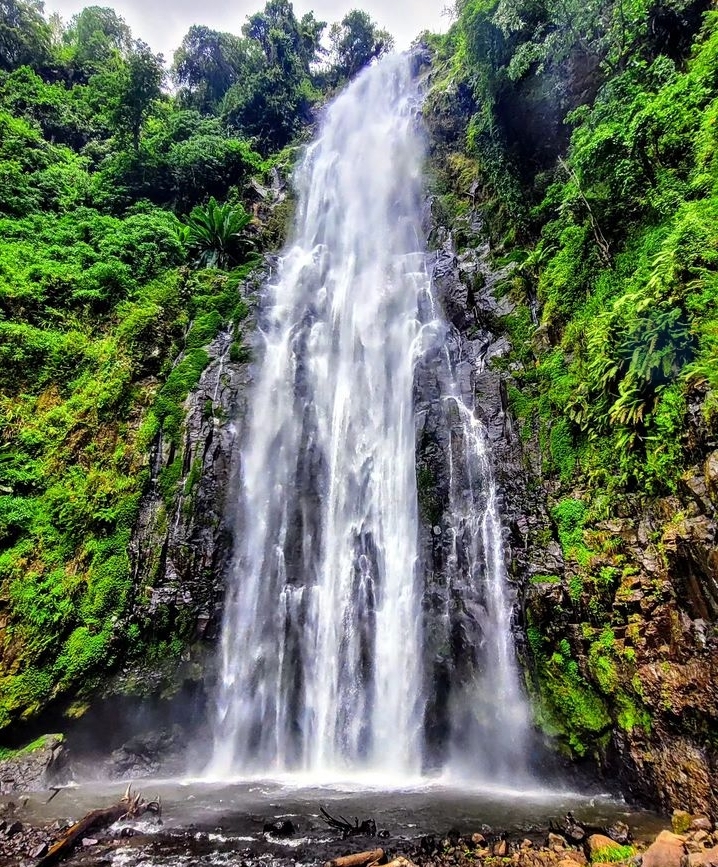
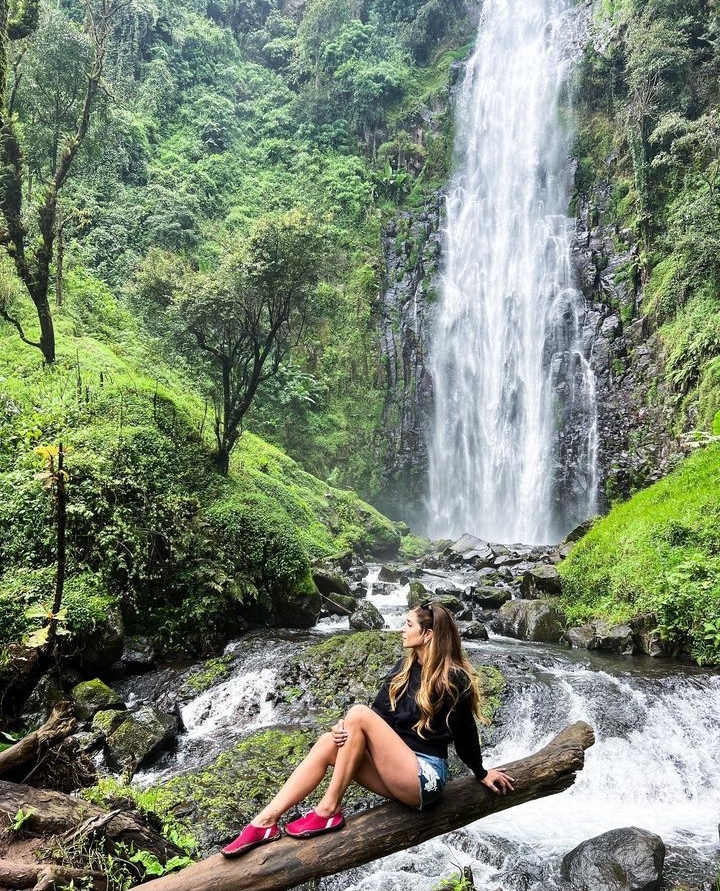
Marangu Waterfalls is one of the beautiful natural attractions located on the southeastern slopes of Mount Kilimanjaro in northern Tanzania. The area is known for its green landscapes, traditional Chagga villages, coffee farms, banana plantations, historical caves and refreshing waterfalls.
For travellers staying in Moshi or exploring the Kilimanjaro region, a visit to Marangu offers an opportunity to discover a different side of Tanzania beyond wildlife safaris and mountain climbing.
Many visitors combine a waterfall walk with a cultural experience, where they can learn about the history and traditions of the Chagga people.
But what makes Marangu Waterfalls special? How do you get there? Can you swim? How difficult is the walk? And can you combine the visit with a Chagga cultural tour?
This complete guide by Pale Tours answers these questions and explains everything you need to know before visiting Marangu Waterfalls.
1. Where Are Marangu Waterfalls Located?
Marangu Waterfalls are located around Marangu Village on the southeastern slopes of Mount Kilimanjaro in Tanzania’s Kilimanjaro Region.
Marangu is approximately 40 kilometres from Moshi, although the exact distance and driving time depend on the waterfall entrance and starting point.
The area is surrounded by green agricultural landscapes, coffee farms, banana plantations and traditional Chagga settlements.
Marangu is also famous as the starting point of the Marangu Route, one of the established climbing routes to the summit of Mount Kilimanjaro.
It is important to understand that visiting the village waterfalls is different from climbing Kilimanjaro through Marangu Gate.
2. What Are the Main Waterfalls in Marangu?
The Marangu area has several waterfalls and natural attractions that visitors can explore.
Some commonly mentioned waterfalls include:
Ndoro Waterfalls
Ndoro Waterfalls is a popular destination for visitors exploring the Marangu area. The journey typically involves walking through agricultural land and natural surroundings before reaching the waterfall.
Visitors come to enjoy the scenery, take photographs and experience the peaceful atmosphere.
Kinukamori Waterfalls
Kinukamori is another name associated with waterfall experiences around Marangu. Names and local references can vary between tour descriptions, so visitors should confirm the exact waterfall included in their itinerary.
Lauwo Waterfall
Lauwo Waterfall is a different attraction located inside Kilimanjaro National Park, approximately 2.8 kilometres from Marangu Gate, according to Tanzania National Parks information.
It is reached through montane forest and should not be confused with the village waterfall excursions outside the national park.
When booking a tour, always confirm which waterfall you will visit.
3. What Makes Marangu Waterfalls Special?
Marangu offers more than a beautiful waterfall. It provides a combination of nature, history and local culture.
Some of the highlights include:
- Beautiful waterfalls surrounded by green vegetation.
- Walking through traditional Chagga villages.
- Exploring coffee and banana plantations.
- Learning about Chagga history and traditions.
- Visiting historical underground caves.
- Enjoying the peaceful atmosphere of the Kilimanjaro foothills.
- Discovering local farming practices.
This combination makes Marangu an interesting destination for visitors who want to experience local life in Tanzania.
4. Can You Swim at Marangu Waterfalls?
Swimming may be possible at some waterfall pools in the Marangu area, depending on the location and water conditions.
However, swimming is not guaranteed to be safe throughout the year.
Natural waterfall pools can have slippery rocks, changing water levels and strong currents, particularly after heavy rainfall.
Before entering the water:
- Ask your local guide whether swimming is safe.
- Check the water level and current.
- Avoid swimming during heavy rain or strong water flow.
- Do not dive where the depth is unknown.
- Keep children under close supervision.
The water can be cold because it comes from mountain streams.
If conditions are unsuitable, visitors can still enjoy the waterfall from a safe viewing point.
5. How Difficult Is the Walk to Marangu Waterfalls?
The walk to Marangu Waterfalls is generally easy to moderate, depending on the specific waterfall and trail.
Some routes pass through farms and village paths, while others include steeper sections and steps closer to the waterfall.
Visitors should expect:
- Natural walking paths.
- Uneven ground.
- Some uphill and downhill sections.
- Potentially muddy areas after rainfall.
- Slippery stones near the waterfall.
The return walk may feel more challenging because some trails involve climbing back uphill.
You do not need professional hiking experience, but comfortable shoes with good grip are recommended.
6. How Long Does It Take to Visit Marangu Waterfalls?
The duration depends on the waterfall selected and the activities included in your tour.
A typical day trip from Moshi may take approximately six to eight hours, including transportation, walking, waterfall visits and cultural activities.
A possible itinerary includes:
- Morning pickup from your hotel.
- Drive to Marangu Village.
- Guided walk through local farms and village surroundings.
- Waterfall visit and photography.
- Optional swimming if conditions allow.
- Chagga cultural and historical experience.
- Return to Moshi in the afternoon.
Your actual schedule may change depending on the chosen attractions and road conditions.
7. Can You Visit Chagga Caves During a Marangu Waterfalls Tour?
Yes. Visiting the historical Chagga caves is one of the interesting cultural activities you can combine with a Marangu Waterfalls excursion.
These underground caves were traditionally used by the Chagga people as places of refuge during historical conflicts.
A local guide can explain how the caves were constructed and how communities used them for protection.
During the visit, you may learn about:
- The history of the Chagga people.
- Traditional underground shelters.
- Historical conflicts and community protection.
- Traditional ways of living.
- The importance of the caves in local history.
The caves offer a fascinating opportunity to understand the history of the communities living around Mount Kilimanjaro.
Some passages are narrow and dark, so visitors who feel uncomfortable in enclosed spaces should inform their guide.
8. Can You Combine Marangu Waterfalls With a Chagga Cultural Tour?
Yes. Combining the waterfall visit with a Chagga cultural tour is one of the best ways to explore the area.
The Chagga people have a rich cultural heritage connected to farming, coffee production, banana cultivation and traditional community life.
Depending on the selected programme, visitors may experience:
- A guided village walk.
- Coffee farm visits.
- Traditional food preparation.
- Historical cave visits.
- Banana plantations.
- Local farming activities.
- Traditional stories and customs.
A local guide can help explain the meaning behind these activities and introduce visitors to the community respectfully.
9. Can You Visit Marangu Waterfalls From Moshi?
Yes. Moshi is one of the most convenient starting points for a Marangu Waterfalls day trip.
The drive from Moshi to the Marangu area generally takes around one to one and a half hours, depending on the exact destination, traffic and road conditions.
Visitors can arrange private transport or join an organised excursion.
Starting early in the morning gives you enough time to enjoy the waterfall, cultural activities and village surroundings without rushing.
10. Can You Visit Marangu Waterfalls From Arusha?
Yes. Visitors staying in Arusha can also arrange a day trip to Marangu Waterfalls.
However, the journey is longer than starting from Moshi.
Depending on the pickup location and road conditions, the drive may take approximately two and a half to three hours each way.
For this reason, an early departure is recommended.
If you are staying in Arusha and want to visit Marangu, it is useful to arrange transportation and activities in advance.
11. What Is the Best Time to Visit Marangu Waterfalls?
Marangu Waterfalls can be visited throughout much of the year, but the experience changes with the seasons.
January to February
These months can offer pleasant conditions for outdoor activities, although occasional rainfall is possible.
March to May
This is generally a wetter period. The landscape becomes very green, and waterfalls may have stronger water flow. However, trails can become muddy and slippery.
June to October
These months are generally popular for outdoor activities in the Kilimanjaro region because conditions are often drier.
November to December
Short rains may occur, making the surrounding vegetation greener. Weather conditions can vary, so visitors should prepare for possible rain.
The best time depends on your preferences. If you want easier walking conditions, the drier months are often a good choice.
12. What Should You Wear for a Marangu Waterfalls Tour?
Comfortable outdoor clothing is recommended.
We suggest bringing:
- Comfortable hiking or walking shoes.
- Lightweight trousers or shorts.
- A T-shirt.
- A light rain jacket.
- A hat or cap.
- Sunscreen.
- Swimwear if you plan to swim.
- A towel.
- A change of clothes.
- A small backpack.
Good footwear is especially important because some sections of the trail may become slippery.
13. Is Marangu Waterfalls Suitable for Families and Children?
Yes. A Marangu Waterfalls excursion can be suitable for families, depending on the age and physical ability of the children.
The experience offers opportunities for children to discover nature, learn about local culture and explore traditional village surroundings.
Parents should consider the walking distance, uneven terrain and any narrow cave passages before booking.
Children should remain under adult supervision, especially near water and steep sections of the trail.
14. Is Marangu Waterfalls Worth Visiting?
Absolutely. Marangu is an excellent destination for visitors who want to experience the natural beauty and cultural heritage of the Kilimanjaro region.
Unlike a traditional wildlife safari, a Marangu excursion focuses on local communities, nature and history.
You can enjoy beautiful waterfalls, explore traditional farms, learn about Chagga culture and discover historical underground caves.
It is also a good activity for travellers who have an extra day in Moshi before or after climbing Mount Kilimanjaro.
15. Can You Combine Marangu Waterfalls With a Kilimanjaro Climbing Trip?
Yes. Some travellers arrange a Marangu village and waterfall excursion before or after their Kilimanjaro climb.
This gives visitors an opportunity to experience the local community and natural surroundings beyond the mountain trekking route.
However, a waterfall excursion is not a substitute for mountain acclimatisation.
If you are preparing to climb Kilimanjaro, follow your climbing operator’s advice about rest, preparation and acclimatisation.
16. How Much Does a Marangu Waterfalls Tour Cost?
The price depends on several factors, including:
- Your starting location.
- Number of travellers.
- Private or shared transportation.
- Which waterfalls and cultural sites you visit.
- Local guiding services.
- Entrance or community fees.
- Whether lunch and drinks are included.
A private excursion may cost more per person for solo travellers than for larger groups because transportation and guiding costs are shared differently.
Before booking, ask your tour operator for a clear quotation showing what is included and excluded.
At Pale Tours, we can help arrange a Marangu Waterfalls and Chagga cultural experience based on your travel dates and group size.