Are Meals Included in Serengeti Safari Accommodation? A Complete Guide for 2027
Planning a safari to Serengeti National Park involves more than choosing the best wildlife destinations and deciding how many days to spend in the park. Travellers also want to know where they will eat, what type of food is available, and whether meals are included in their accommodation package.
One of the most common questions first-time safari visitors ask is: Are meals included in Serengeti safari accommodation?
The answer is that many Serengeti lodges and tented camps offer meal-inclusive accommodation packages. However, the exact arrangement depends on the property, room rate, and safari package you book.
Some accommodations offer breakfast, lunch, and dinner, while others may have different meal plans. During game drives, safari operators can also arrange packed picnic lunches so guests can enjoy a full day exploring the park without returning to their accommodation.
In this guide, Pale Tours explains what food to expect during a Serengeti safari, how meal plans work, whether special dietary requirements can be accommodated, and what travellers should confirm before booking.
Are Meals Included in Serengeti Safari Accommodation?
Yes, many safari lodges and tented camps in Serengeti National Park include meals in their accommodation rates.
However, not every booking automatically includes all meals.
The most common meal arrangements include:
- Full board: Usually includes breakfast, lunch, and dinner.
- Half board: Usually includes breakfast and dinner.
- Bed and breakfast: Includes breakfast only.
- Room only: Accommodation without meals.
Many safari travellers choose full-board accommodation because restaurants and food services can be limited in remote areas of the park.
Before confirming your reservation, check the exact meal plan with your accommodation provider or safari operator.
What Meals Can You Expect at Serengeti Safari Lodges?
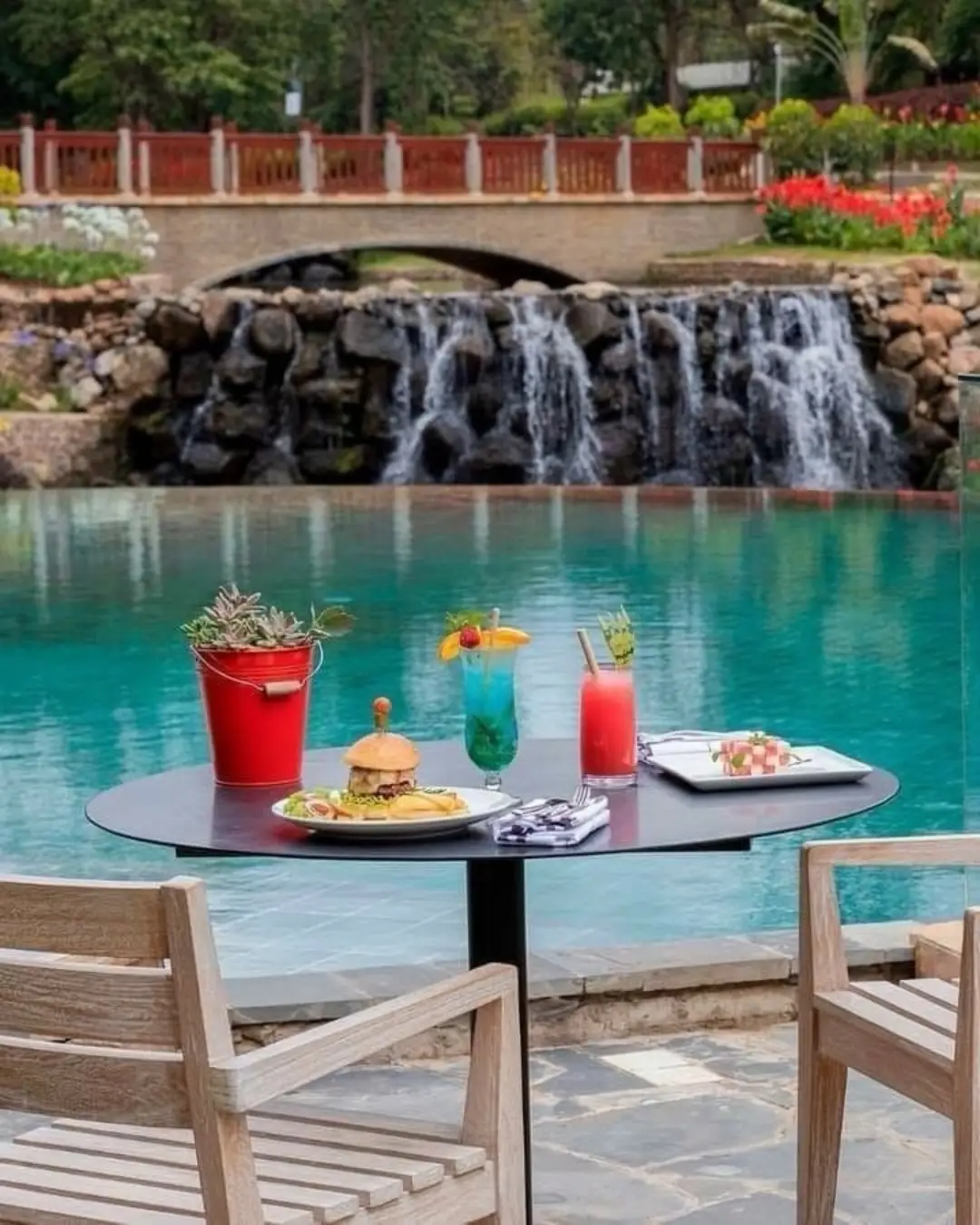
Most established safari lodges and tented camps offer a selection of meals designed to serve international visitors.
Depending on the accommodation, meals may include a combination of African, European, and international dishes.
Breakfast
Breakfast is usually served in the morning before or after an early game drive, depending on the safari schedule.
Common breakfast options may include:
- Eggs prepared in different styles.
- Toast and bread.
- Fresh fruits.
- Cereals and porridge.
- Pancakes.
- Sausages.
- Tea and coffee.
- Fresh juices.
Some properties offer early breakfast arrangements for guests leaving for morning game drives.
Lunch
Lunch arrangements depend on the day’s activities.
Guests may return to their accommodation for a freshly prepared meal, or the lodge may provide a packed lunch for a full-day game drive.
Typical lunch options can include:
- Rice or pasta.
- Chicken or beef.
- Vegetables.
- Sandwiches.
- Fresh fruit.
- Salads.
- Bottled drinking water.
Dinner
Dinner is commonly served in the evening after guests return from their game drives.
Depending on the lodge, dinner may be a buffet, set menu, or individually prepared meal.
Possible options include:
- Grilled meat or fish.
- Rice and potatoes.
- Vegetable dishes.
- Soups.
- Pasta.
- Fresh salads.
- Desserts and fruit.
The available menu varies between properties.
Do Serengeti Safari Camps Provide Vegetarian Food?
Yes. Many Serengeti lodges and tented camps can provide vegetarian meals.
Vegetarian travellers should inform their safari operator and accommodation provider before arrival.
Common vegetarian options may include:
- Rice and vegetable dishes.
- Pasta with tomato or vegetable sauce.
- Beans and lentils.
- Vegetable soups.
- Fresh salads.
- Potatoes.
- Seasonal fruits.
Because some camps are located far from major towns, advance communication is important.
This gives the kitchen enough time to prepare suitable ingredients and meals.
Can You Get Vegan Food in Serengeti?
Vegan meals may be available at many established safari accommodations, but visitors should confirm this in advance.
A vegan diet excludes all animal products, including meat, fish, eggs, milk, butter, and honey.
Depending on the property, suitable meals may include:
- Vegetable rice.
- Beans and lentils.
- Fresh salads.
- Fruit.
- Vegetable soups.
- Potatoes and other plant-based dishes.
- Pasta prepared without animal products.
Travellers with strict dietary requirements should explain exactly which ingredients they avoid.
Do not assume that a vegetarian meal is automatically vegan.
Can You Get Halal Food During a Serengeti Safari?
Many safari accommodation providers can discuss halal meal arrangements with guests, but availability varies.
If you require halal food, inform your safari operator when requesting a quotation.
You should clarify whether you need:
- Halal-certified meat.
- Meals prepared separately.
- No pork products.
- No alcohol in food preparation.
For travellers with strict requirements, the operator should confirm the arrangements directly with each accommodation provider before the booking is finalised.
What Happens If You Have Food Allergies?
Travellers with food allergies should inform their tour operator and accommodation provider before travelling.
This is particularly important for allergies involving:
- Peanuts and tree nuts.
- Dairy products.
- Eggs.
- Seafood.
- Wheat or gluten.
- Specific fruits or vegetables.
Explain the allergy clearly and state whether cross-contamination must also be avoided.
Because safari lodges may operate in remote areas with limited supplies, giving advance notice is essential.
For severe allergies, carry any prescribed emergency medication and follow your healthcare professional’s advice.
Do You Get a Picnic Lunch During Serengeti Game Drives?
Yes. Many safari operators arrange packed picnic lunches for guests taking full-day game drives.
A picnic lunch allows travellers to spend more time exploring the park rather than returning to the lodge for lunch.
A typical picnic lunch may include:
- Sandwiches.
- Boiled eggs.
- Chicken or other protein options.
- Fruit.
- Snacks.
- Juice or water.
The exact contents depend on the operator and accommodation.
Your guide will select an appropriate designated picnic area where guests can stop, eat, and take a break.
Visitors must follow park regulations and never leave food or rubbish behind.
Can You Buy Food Inside Serengeti National Park?
Food availability inside Serengeti is more limited than in towns such as Arusha or Moshi.
Some lodges, camps, and designated visitor facilities offer meals or refreshments, but visitors should not expect restaurants or supermarkets to be available throughout the park.
This is why most organised safari packages arrange meals in advance.
If you are travelling independently, plan your food and drinking water carefully before entering the park.
Are Drinks Included in Serengeti Safari Accommodation?
This depends on the accommodation’s meal plan.
Some properties include selected drinks with meals, while others charge separately for beverages.
Drinks may include:
- Tea and coffee.
- Drinking water.
- Fresh juice.
- Soft drinks.
- Alcoholic beverages.
Luxury accommodation may offer different beverage packages, but the details vary.
Always ask whether bottled water, soft drinks, and alcoholic beverages are included in your booking.
What Is the Difference Between Full Board and All-Inclusive Accommodation?
These two terms are not always interchangeable.
Full Board
Full board generally includes three main meals:
- Breakfast.
- Lunch.
- Dinner.
However, drinks, snacks, and certain additional services may cost extra.
All-Inclusive
An all-inclusive package may include meals, selected drinks, snacks, and other services depending on the property’s policy.
Some all-inclusive packages have restrictions on which beverages or activities are covered.
Always read the accommodation inclusions carefully instead of assuming that every service is included.
What Should You Do If You Have a Special Diet During a Group Joining Safari?
Group joining safaris bring travellers together, sometimes with different nationalities, food preferences, and dietary requirements.
If you have a special diet, communicate this when booking.
For example, inform the operator if you are:
- Vegetarian.
- Vegan.
- Gluten-free.
- Lactose-intolerant.
- Following a halal diet.
- Allergic to specific foods.
The operator can then communicate your requirements to the accommodation providers.
For serious allergies or very specific dietary needs, ask for confirmation before paying your deposit.
How Much Should You Budget for Food During a Serengeti Safari?
The amount you need to budget depends on the meal plan included in your accommodation.
If your package includes full board, your main meals may already be covered.
However, you may still need extra money for:
- Drinks not included in your package.
- Alcoholic beverages.
- Snacks.
- Special food purchases.
- Meals during travel days outside the included itinerary.
- Restaurant visits before or after the safari.
For this reason, request a written breakdown of your safari inclusions.
Do not assume that every meal is included simply because accommodation is part of the package.
Frequently Asked Questions About Meals in Serengeti
1. Are breakfast, lunch, and dinner included in Serengeti lodges?
Many lodges offer full-board accommodation with all three meals included. However, you should confirm the meal plan before booking.
2. Do Serengeti tented camps provide meals?
Yes. Many established tented camps have kitchens and dining facilities where they prepare meals for their guests.
3. Can I get vegetarian food in Serengeti?
Yes. Many accommodations can provide vegetarian meals if you inform them in advance.
4. Is vegan food available in Serengeti?
Some lodges and camps can prepare vegan meals. Confirm your dietary requirements before arrival.
5. Can I get halal food during a Serengeti safari?
Halal meal arrangements may be possible, but availability varies. Ask your operator to confirm the arrangements with the accommodation provider.
6. Do safari guides provide lunch during game drives?
Many organised safari packages include packed picnic lunches for full-day game drives. Check whether this is included in your quotation.
7. Is drinking water included in Serengeti safari packages?
Many safari operators provide drinking water during game drives, but the amount and arrangement vary. Confirm this with your operator.
8. Can I bring my own snacks to Serengeti?
You can generally bring suitable personal snacks, but you must follow park regulations, avoid littering, and never feed wildlife.
9. Are children’s meals available in Serengeti lodges?
Many family-friendly properties can prepare meals suitable for children. Inform the accommodation provider about the children’s ages and food preferences.
10. Do Serengeti lodges serve international food?
Yes. Many established lodges offer a mixture of international and African dishes, although menus vary.
11. Are alcoholic drinks included in full-board accommodation?
Not necessarily. Full board usually refers to meals, while alcoholic beverages may be charged separately.
12. Can I request special meals before arriving in Serengeti?
Yes. Inform your safari operator as early as possible so the accommodation can check availability and make the necessary arrangements.
13. What happens if I cannot eat the food provided at my lodge?
Speak to the accommodation staff or your safari guide. If you have a medical allergy or strict dietary requirement, communicate it before the trip rather than waiting until arrival.
14. Does Pale Tours include meals in Serengeti safari packages?
Pale Tours can arrange safari packages with meals according to the selected accommodation and itinerary. We explain the included meals and any exclusions before confirming a booking.