Best Time to Visit Tanzania for a Safari in 2027: A Complete Travel Guide
Planning a Tanzania safari in 2027? Choosing the best time to visit Tanzania is one of the most important steps when organizing your African wildlife adventure. Tanzania is home to world-famous national parks, incredible wildlife, beautiful landscapes, and the spectacular Great Wildebeest Migration.
Whether you dream of seeing lions hunting in the Serengeti, large elephant herds in Tarangire National Park, the Big Five in Ngorongoro Crater, or thousands of wildebeest crossing the Mara River, Tanzania offers unforgettable safari experiences throughout the year.
However, different seasons offer different wildlife experiences. Understanding Tanzania’s weather patterns, wildlife movements, and seasonal highlights will help you choose the perfect time for your safari.
At Pale Tours, we help international travelers plan memorable Tanzania safari holidays by recommending suitable destinations, itineraries, and travel periods according to their interests and budgets.
1. What Is the Best Time to Visit Tanzania for a Safari?
The best time to visit Tanzania for a safari is generally between June and October, during the dry season. These months are particularly popular because wildlife is often easier to spot as animals gather around rivers and remaining water sources.
The dry season also offers favorable conditions for game drives in popular destinations such as Serengeti National Park, Tarangire National Park, and Ngorongoro Conservation Area.
However, the best time depends on what you want to experience.
- January to March: Best for witnessing the wildebeest calving season in Ndutu.
- April to May: Beautiful green landscapes and fewer visitors in many safari areas.
- June to October: Excellent general wildlife viewing and dry-season safaris.
- July to September: Popular months for the Great Migration in northern Serengeti.
- November to December: Green landscapes, seasonal wildlife movements, and birdwatching opportunities.
Tanzania is a year-round safari destination, so you can enjoy an incredible wildlife adventure in different seasons.
2. What Is the Best Time to See the Great Wildebeest Migration in Tanzania?
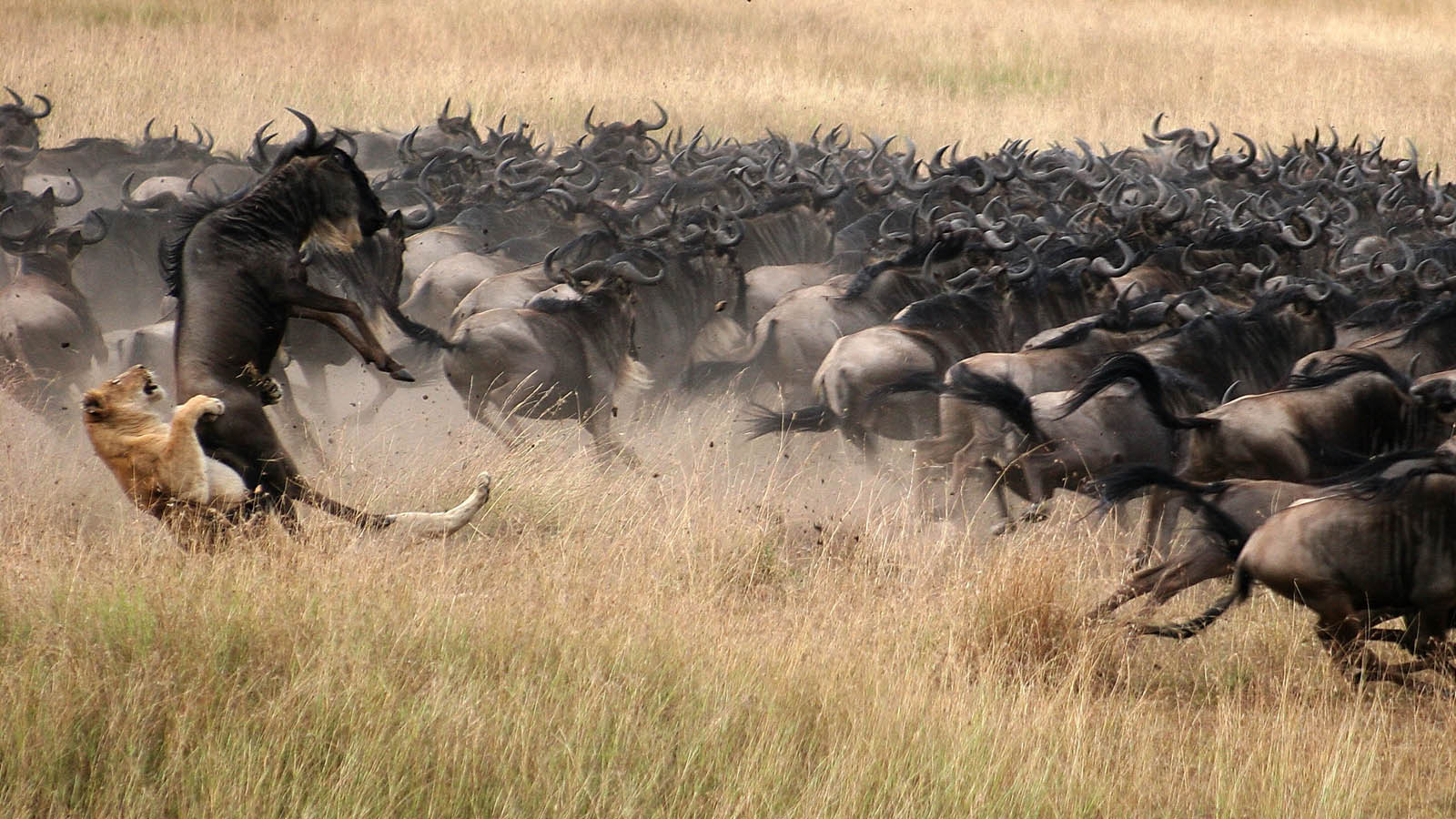
The Great Wildebeest Migration is one of the most famous wildlife spectacles in the world. Every year, approximately two million wildebeest, together with hundreds of thousands of zebras and gazelles, move across the Serengeti ecosystem in search of fresh grazing and water.
This extraordinary natural event takes place throughout the year, but the location of the migrating herds changes depending on rainfall and grazing conditions.
Here are the main periods to consider when planning a migration safari.
January to March: Wildebeest Calving Season
During January, February, and March, large numbers of wildebeest gather in the southern Serengeti and Ndutu plains.
This is the calving season, when thousands of wildebeest calves are born within a relatively short period. It is also an excellent opportunity to observe predators such as lions, cheetahs, hyenas, and leopards.
Travelers interested in wildlife photography and predator activity often find this period particularly rewarding.
April to June: Western and Central Serengeti
As the rainy season progresses and grazing conditions change, the migrating herds gradually move towards the western and central Serengeti.
This period offers opportunities to see large herds moving across the plains, although rainfall can affect some safari roads.
July to September: Northern Serengeti and Mara River Crossings
July, August, and September are popular months for travelers hoping to witness the famous Mara River crossings.
The northern Serengeti, particularly the Kogatende area, is an important destination during this period.
Wildebeest face challenging river crossings, where strong currents and crocodiles make the journey particularly dramatic.
River crossings are unpredictable natural events, so sightings cannot be guaranteed even during peak migration season.
October to December: Moving Towards Southern Serengeti
During October and November, the herds gradually move towards the eastern and southern parts of the Serengeti ecosystem.
By December, many animals begin returning towards the southern plains as fresh grazing becomes available.
3. Is June to October the Best Season for a Tanzania Wildlife Safari?
Yes. June to October is generally considered one of the best periods for a Tanzania wildlife safari.
This is the dry season, when many animals gather around permanent water sources, making wildlife viewing easier in several national parks.
Some of the best destinations during these months include:
Serengeti National Park: Famous for lions, leopards, cheetahs, elephants, and the Great Wildebeest Migration.
Tarangire National Park: Particularly known for large elephant herds, baobab trees, and seasonal wildlife concentrations around the Tarangire River.
Ngorongoro Crater: Offers excellent opportunities to see a variety of wildlife, including lions, elephants, buffaloes, zebras, and the endangered black rhinoceros.
Lake Manyara National Park: Known for its diverse habitats, birdlife, elephants, and tree-climbing lions.
The dry season is especially suitable for travelers who want to combine several national parks in one Tanzania safari itinerary.
4. Can You Visit Tanzania During the Rainy Season?
Absolutely! You can enjoy a Tanzania safari during the rainy season.
Tanzania generally experiences two main rainy periods:
- Long rains: March to May.
- Short rains: November to December.
Although rainfall can affect road conditions in certain areas, the rainy season has several advantages for safari travelers.
Benefits of Visiting Tanzania During the Green Season
Beautiful natural scenery: The national parks become greener, creating beautiful landscapes and excellent photography opportunities.
Fewer tourists: Some destinations experience fewer visitors compared with the busy dry season.
Birdwatching: Migratory birds arrive in Tanzania, making this period attractive for bird enthusiasts.
Photography opportunities: Green vegetation, dramatic skies, and young animals create wonderful wildlife photography opportunities.
Potential accommodation savings: Some lodges and camps offer seasonal rates, depending on availability and travel dates.
If you prefer beautiful green landscapes and a quieter safari experience, the green season may be an excellent choice.
5. What Is the Best Time to Visit Serengeti National Park?
Serengeti National Park is one of the best safari destinations in Africa and can be visited throughout the year.
The best time to visit depends on your wildlife interests and the location of the Great Wildebeest Migration.
For migration enthusiasts, the southern Serengeti and Ndutu are particularly attractive from January to March, while northern Serengeti is popular from July to September.
Central Serengeti is also an excellent destination throughout much of the year, offering opportunities to see lions, leopards, cheetahs, elephants, giraffes, and other wildlife.
If you are planning your first Tanzania safari, including Serengeti National Park in your itinerary is highly recommended.
6. What Is the Best Time to Visit Ngorongoro Crater?
Ngorongoro Crater is one of Tanzania’s most remarkable wildlife destinations and can be visited throughout the year.
The crater has a unique ecosystem that supports a large variety of wildlife within a relatively compact area.
Visitors can look forward to seeing:
- African elephants.
- Lions.
- Buffaloes.
- Zebras.
- Hippos.
- Hyenas.
- Black rhinoceros.
June to October is popular because of the generally dry conditions, but wildlife viewing remains rewarding during other months.
For travelers with limited time, Ngorongoro Crater is an excellent destination to include in a northern Tanzania safari.
7. When Is the Best Time to Visit Tarangire National Park?
The best time to visit Tarangire National Park for large wildlife concentrations is generally June to October.
During the dry season, animals from surrounding areas gather around the Tarangire River, which becomes an important source of water.
Tarangire is especially famous for its large elephant herds and magnificent baobab trees.
Visitors may also encounter lions, giraffes, zebras, wildebeest, buffaloes, and numerous bird species.
The park is an excellent choice for travelers looking for an authentic African safari experience.
8. How Many Days Are Enough for a Tanzania Safari?
The ideal number of days depends on your budget, travel schedule, and preferred national parks.
If you want to explore multiple destinations without rushing, we recommend allowing enough time for wildlife viewing and traveling between parks.
Here are some popular Tanzania safari options:
2-Day Tanzania Safari
Suitable for travelers with limited time who want to explore destinations such as Tarangire National Park and Ngorongoro Crater.
3-Day Tanzania Safari
A popular option for travelers interested in combining Tarangire, Serengeti, and Ngorongoro, although travel time can be demanding.
4-Day Tanzania Safari
A good option for exploring Serengeti National Park and Ngorongoro Crater with more time for wildlife viewing.
5-Day Tanzania Safari
Allows travelers to enjoy a more relaxed itinerary covering Tarangire, Serengeti, and Ngorongoro.
6–7-Day Tanzania Safari
Ideal for travelers who want to explore more of Tanzania’s wildlife destinations and spend additional time in Serengeti National Park.
At Pale Tours, we organize both private and group safari packages to suit different travel preferences and budgets.
9. What Should You Pack for a Tanzania Safari?
Packing the right clothing and travel essentials will help you enjoy your safari comfortably.
We recommend bringing:
- Lightweight and comfortable clothing.
- Neutral-colored safari outfits.
- A warm jacket for early morning game drives.
- Comfortable walking shoes.
- A hat and sunglasses.
- Sunscreen.
- Insect repellent.
- A camera and binoculars.
- Personal medication.
- A small day backpack.
Temperatures can vary between destinations and seasons, particularly during early morning and evening game drives.
If you are visiting during the rainy season, carrying a lightweight rain jacket is also recommended.
10. Is Tanzania a Good Safari Destination for First-Time Visitors?
Yes! Tanzania is an excellent destination for first-time safari travelers.
The country offers incredible wildlife diversity, well-known national parks, experienced safari guides, and different travel options for couples, families, solo travelers, and groups.
First-time visitors can enjoy unforgettable wildlife experiences in Serengeti National Park, Ngorongoro Crater, and Tarangire National Park.
A professional local safari operator can help organize transportation, accommodation, park visits, and daily game drives.
At Pale Tours, we assist travelers throughout the planning process to make their Tanzania safari comfort