Serengeti National Park is one of Africa’s most famous safari destinations, attracting visitors from around the world who want to experience incredible wildlife, beautiful landscapes, and the Great Wildebeest Migration. Located in northern Tanzania, the park offers excellent opportunities to see lions, elephants, leopards, cheetahs, giraffes, zebras, wildebeest, and many other animals.
One of the most common questions travelers ask before booking a Tanzania safari is: What is the best time to visit Serengeti National Park?
The answer depends on what you want to experience. Some travelers want to witness the Great Wildebeest Migration, others are interested in seeing predators, while some prefer fewer crowds, green landscapes, or more affordable safari options.
Serengeti offers wildlife viewing throughout the year. However, different months provide different experiences because of seasonal rainfall, changing vegetation, and the movement of wildlife.
In this guide, Pale Tours explains the best time to visit Serengeti National Park, what to expect in each season, the best months for the Great Migration, and how to choose the right safari period for your trip.
1. What Is the Best Overall Time to Visit Serengeti National Park?
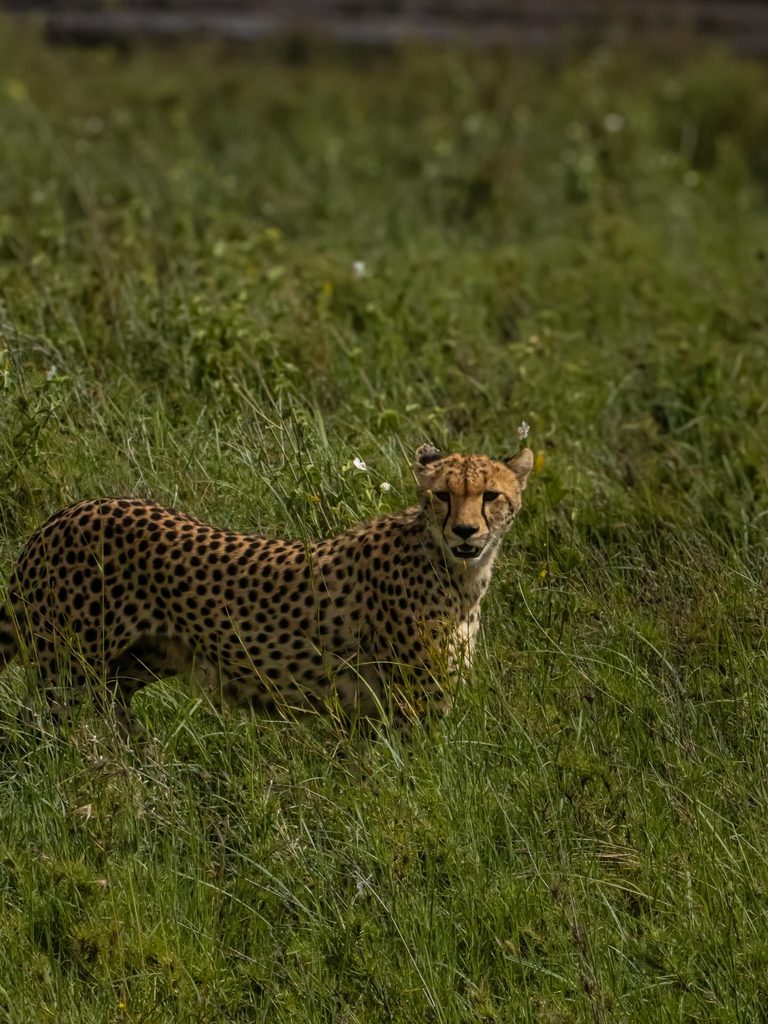
The best overall time to visit Serengeti National Park for general wildlife viewing is usually during the dry season, particularly from June to October.
During these months, rainfall is generally lower, vegetation becomes less dense, and animals often gather around available water sources. These conditions can make wildlife easier to spot during game drives.
However, the best month depends on your safari priorities.
- June to October: Excellent general wildlife viewing and opportunities to follow different stages of the Great Migration.
- January to March: A popular period for wildebeest calving in the southern Serengeti and Ndutu region.
- April to May: Green landscapes, seasonal rainfall, and potentially fewer visitors.
- November to December: Short rains and changing migration movements, with wildlife viewing continuing across the ecosystem.
There is no single perfect month for every traveler. The right time depends on the animals, landscapes, and safari experience you want.
2. Best Time to Visit Serengeti for the Great Wildebeest Migration
The Great Wildebeest Migration is one of the most spectacular wildlife events in the world. Every year, huge herds of wildebeest, accompanied by zebras and gazelles, move through the Serengeti ecosystem in search of fresh grass and water.
The migration takes place throughout the year. It does not happen in only one location or during one specific month.
The best time to visit depends on which stage of the migration you want to see.
January to March: Calving Season
During January, February, and March, large numbers of wildebeest are commonly found in the southern Serengeti and Ndutu area.
February is often a particularly important month for calving, when many wildebeest calves are born within a relatively short period.
This season offers opportunities to see:
- Newborn wildebeest calves.
- Large herds grazing across open grasslands.
- Lions and other predators hunting.
- Cheetahs searching for vulnerable prey.
- Beautiful green landscapes.
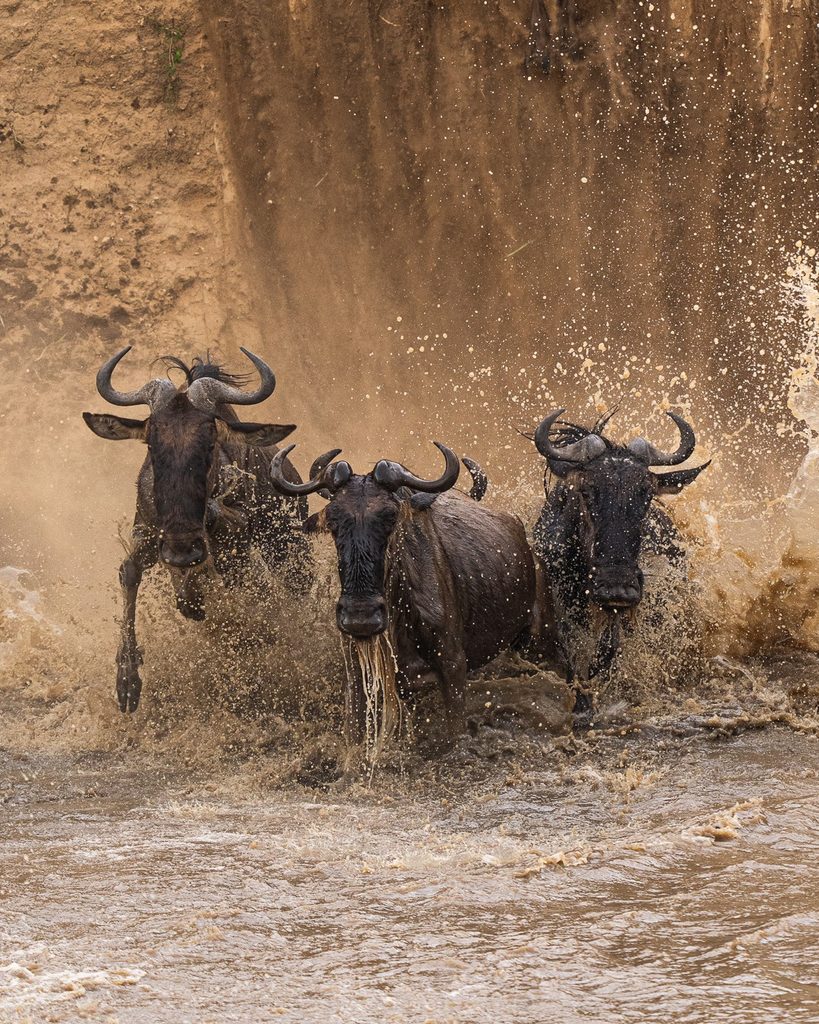
Calving season is an excellent choice for travelers interested in predator-prey interactions and the early stages of young wildlife.
April to May: Migration Movement
During April and May, the migration generally begins moving away from the southern plains towards the central and western parts of the Serengeti.
These months are associated with the long rainy season. Some roads can become muddy, and heavy rainfall may affect driving conditions.
However, visitors can still enjoy excellent wildlife viewing, green scenery, and fewer safari vehicles in some areas.
June to July: Western and Northern Migration
Around June, migration herds commonly move through the western Serengeti, including the Grumeti region.
As the dry season progresses, some herds continue towards the northern Serengeti.
This period can provide opportunities to see large herds moving across open plains and, depending on their location, possible river crossing activity.
August to October: Northern Serengeti and Mara River
August, September, and October are popular months for travelers hoping to see the migration in the northern Serengeti.
The Kogatende and Lamai areas are well-known locations for following migration herds and looking for possible Mara River crossings.
River crossings are unpredictable. Wildebeest may gather near the river for hours or days before crossing, and there is no guarantee that a crossing will happen during a particular safari.
November to December: Migration Returns South
When the short rains begin, the migration generally starts moving towards the eastern and southern parts of the Serengeti ecosystem.
The exact timing depends on rainfall and the availability of fresh grazing.
These months can offer beautiful green landscapes and opportunities to see large herds moving across the plains.
3. Best Time to Visit Serengeti for General Wildlife Viewing
If your main goal is to see a wide variety of African wildlife rather than follow a particular migration event, the dry season is often a good choice.
From June to October, many areas have less dense vegetation, which can make animals easier to observe.
You may have opportunities to see:
- Lions resting under trees or hunting.
- Leopards in trees and along riverbanks.
- Elephants moving in family groups.
- Giraffes feeding on acacia trees.
- Buffaloes gathering in large herds.
- Zebras and wildebeest grazing.
- Cheetahs hunting across open plains.
- Hippos in rivers and water pools.
Central Serengeti, especially the Seronera area, is known for resident wildlife and can offer rewarding game drives throughout the year.
Wildlife sightings are never guaranteed, but spending several days in the park gives you more opportunities to explore different habitats.
4. Best Time to Visit Serengeti for Lions, Leopards, and Cheetahs
Serengeti is one of the best places in Tanzania to look for large predators.
Lions, leopards, and cheetahs live in different parts of the park, and they can be seen throughout the year.
Lions
Lions are found across much of the Serengeti. The Seronera region is particularly well-known for lion sightings because of its resident wildlife populations.
Leopards
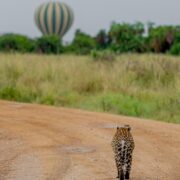
Leopards are often found around riverine forests and areas with suitable trees. They can be difficult to spot because they are naturally secretive.
Cheetahs
Cheetahs are commonly associated with open grasslands, where they can use their speed to hunt.
The southern plains and other open areas can provide good opportunities to look for them.
The dry season can make some wildlife easier to spot, but predator sightings depend on location, animal activity, and luck rather than one guaranteed month.
5. Serengeti Safari During the Dry Season: June to October
The dry season is one of the most popular periods for visiting Serengeti National Park.
Rainfall is generally limited, and many roads are easier to navigate than during periods of heavy rain.
Advantages of visiting during the dry season:
- Good general wildlife-viewing conditions.
- Less dense vegetation in many areas.
- Excellent opportunities to follow the Great Migration in the northern Serengeti during the appropriate months.
- Comfortable conditions for many game drives.
- Popular safari areas are accessible, depending on local road conditions.
Possible disadvantages:
- More visitors during popular months.
- Higher accommodation demand in migration areas.
- Some safari lodges and camps may charge higher seasonal rates.
- Wildlife viewing can be busy around popular sightings.
If you want to travel during August or September, booking accommodation and safari arrangements early is recommended.
6. Serengeti Safari During the Green Season: November to May
The green season includes the short and long rainy periods, although rainfall patterns vary from year to year.
This season offers a different experience from the dry months.
The landscape becomes greener, many birds become more active, and some areas may have fewer visitors.
November to December
The short rains usually occur around November and sometimes continue into December.
The changing rainfall encourages fresh grass growth, and migration herds generally move towards the southern plains.
January to March
This is an excellent period to explore the southern Serengeti and Ndutu region during the calving season.
The area can attract large numbers of wildebeest and predators.
April to May
These months are commonly associated with the long rains.
Travelers may experience afternoon showers, muddy roads, and changing driving conditions. Some accommodation properties may offer lower seasonal rates, although availability and pricing vary.
The green season can be a rewarding option for photographers and travelers who enjoy beautiful scenery and fewer crowds.
7. Best Month to Visit Serengeti: Month-by-Month Overview
The following table provides a general guide to what travelers can expect throughout the year.
| Month | General Safari Experience |
|---|---|
| January | Southern Serengeti and Ndutu wildlife viewing; calving season begins |
| February | Popular calving season, with many newborn wildebeest |
| March | Continued calving activity and green landscapes |
| April | Long rains, changing migration movements |
| May | Green season and migration movement towards the western Serengeti |
| June | Western Serengeti migration and beginning of the dry season |
| July | Migration may move towards the northern Serengeti |
| August | Popular northern Serengeti migration period |
| September | Good opportunities to follow northern migration herds |
| October | Northern Serengeti wildlife viewing and possible migration movement |
| November | Short rains and migration movement towards the south |
| December | Green landscapes and herds moving towards southern grazing areas |
Important: This calendar is a general guide, not a fixed schedule. The Great Migration follows rainfall and grazing conditions, so its location can change from year to year.
8. Is Serengeti Worth Visiting During the Rainy Season?
Yes. Serengeti is worth visiting during the rainy season, especially if you enjoy green landscapes, photography, birdwatching, and a quieter safari atmosphere.
Rain does not mean that wildlife disappears. Animals remain in the ecosystem throughout the year, and visitors can still enjoy excellent game drives.
However, some roads can become difficult to navigate after heavy rainfall.
Before booking, it is helpful to discuss your travel dates and preferred destinations with an experienced local safari operator.
A well-planned itinerary can help you choose the most suitable areas for the season.
9. How Many Days Should You Spend in Serengeti?
The number of days you need depends on your budget, travel schedule, and wildlife interests.
For many visitors, spending at least two or three nights in the Serengeti provides a better experience than trying to explore the park in a single day.
Here are some general suggestions:
2 Days / 1 Night: A short Serengeti experience for travelers with limited time.
3 Days / 2 Nights: More time for game drives and exploring different parts of the park.
4 Days / 3 Nights: A good option for travelers who want a more relaxed safari.
5 Days / 4 Nights or Longer: More flexibility to explore different regions and follow seasonal migration movements.
If you are visiting specifically for the Great Migration, additional days can improve your chances of finding the herds in the area you are targeting.
10. Which Area of Serengeti Should You Visit?
Choosing the right area is important because the Serengeti is a large national park with different habitats and seasonal wildlife movements.
Central Serengeti – Seronera
Central Serengeti is a popular area for general wildlife viewing.
It is known for resident predators, elephants, giraffes, and other animals. It can be a good choice throughout the year.
Northern Serengeti – Kogatende and Lamai
Northern Serengeti is particularly popular from around July to October, when migration herds may move through the region.
It offers opportunities to look for wildebeest and possible Mara River crossings.
Western Serengeti – Grumeti
The western corridor is an important part of the migration route, particularly around May and June, although the timing can vary.
Southern Serengeti and Ndutu
The southern plains and Ndutu area are particularly popular during the calving season, generally from January to March.
Choosing the right region for your travel dates can make a significant difference to your safari experience.
11. Is Serengeti More Expensive During the Best Safari Season?
Safari prices can change depending on the time of year, accommodation category, location, and availability.
Popular migration months, especially July to October in northern Serengeti, can have higher accommodation demand.
The calving season can also be busy around the southern Serengeti and Ndutu.
During some green-season periods, travelers may find more competitive accommodation rates.
Your total safari cost may include:
- Serengeti National Park conservation fees.
- Camping or accommodation charges.
- Safari vehicle and fuel.
- Professional driver-guide services.
- Meals and drinking water.
- Transfers and other itinerary arrangements.
For an accurate quotation, compare the complete package inclusions rather than looking only at the advertised price.
Pale Tours can help you choose a suitable safari itinerary based on your travel dates and budget.
12. What Is the Best Time to Combine Serengeti with Ngorongoro Crater?
Serengeti and Ngorongoro Crater are two of Tanzania’s most famous safari destinations, and they can be combined in one itinerary throughout the year.
The best route depends on the season and the areas you want to explore.
For example:
- During January to March, you can combine southern Serengeti or Ndutu with Ngorongoro.
- During June to October, you can explore central or northern Serengeti and then visit Ngorongoro.
- During April and May, your itinerary should allow flexibility for rainy-season road conditions.
A three-day or four-day safari can include both destinations, while longer trips provide more time for game drives.
13. What Should You Consider Before Choosing Your Serengeti Safari Dates?
Before booking your safari, consider the following factors:
Your main wildlife interest: Decide whether you want general wildlife viewing, calving season, or opportunities to follow the river-crossing migration.
Your budget: Accommodation prices and availability can change throughout the year.
Your available time: Longer safaris provide more flexibility and reduce the pressure of traveling between destinations.
Your preferred accommodation: Choose between budget camping, comfortable tented camps, midrange lodges, and luxury safari camps.
Your arrival airport: Most northern Tanzania safaris start from Arusha or Kilimanjaro International Airport.
Your safari operator: Work with an experienced local company that understands seasonal wildlife movements and road conditions.