
Planning a Tanzania safari is an exciting experience, especially when you are preparing to explore famous wildlife destinations such as Serengeti National Park, Ngorongoro Crater, Tarangire National Park, and Lake Manyara. However, one important question many international travellers ask before arriving is: How much money should I bring on a Tanzania safari?
Although most organized safari packages include essential services such as transportation, accommodation, meals, park fees, and professional guiding, travellers may still need extra money for personal expenses, tips, drinks, souvenirs, optional activities, and other purchases.
Knowing how much money to carry can help you prepare a realistic travel budget, avoid unnecessary financial stress, and enjoy your African adventure with confidence.
At Pale Tours and Adventure, we help visitors plan wildlife holidays across Tanzania. As a locally based safari company in Arusha, we understand the practical expenses travellers may encounter before, during, and after their safari.
In this guide, we explain how much extra money to bring, which expenses to prepare for, whether cash or cards are better, and how to manage your money while travelling in Tanzania.
1. How Much Extra Money Should I Bring on a Tanzania Safari?
The amount of extra money you should bring depends on your travel style, safari duration, personal spending habits, and the activities you intend to enjoy.
If your safari package already covers accommodation, meals, park fees, transportation, and game drives, you may only need additional money for tips, personal purchases, drinks, souvenirs, and optional activities.
As a general planning guide, consider the following amounts per person:
| Travel style | Suggested extra budget per day |
|---|---|
| Budget traveller | $20–$40 |
| Moderate spender | $40–$70 |
| Comfortable traveller | $70–$120 |
| Traveller planning optional activities | $120+ |
These are suggested personal spending budgets, not mandatory daily expenses. They exclude your main safari package, international flights, and major activities that have not already been booked.
For example, a traveller on a five-day safari with meals and accommodation included may be comfortable with a personal spending budget of approximately $150–$300, depending on tipping arrangements and planned purchases.
Travellers planning hot air balloon experiences, additional excursions, or expensive souvenirs should prepare a separate budget.
2. What Expenses Should I Prepare for During a Tanzania Safari?
Understanding the possible extra expenses will help you decide how much money to bring.
Tips for Safari Guides
Tipping is a common way for international travellers to show appreciation for good service during a Tanzania safari.
Your safari guide plays an important role in your experience by driving through wildlife areas, identifying animals, explaining their behaviour, sharing knowledge about the environment, and helping organize daily activities.
Tipping is voluntary and should reflect the quality of service, your satisfaction, group size, and personal budget.
As an optional planning reference, some travellers budget around $10–$20 per guest per day for a safari guide. This is not an official or compulsory rate.
For example, on a five-day safari, a traveller may choose to prepare approximately $50–$100 for the guide.
For a private safari, some travellers prefer to tip the guide as a group rather than individually.
Tips for Lodge and Camp Staff
You may also wish to appreciate the staff who provide services at your accommodation.
This can include restaurant employees, housekeeping staff, porters, and other hospitality workers.
Some lodges have shared staff tip boxes, while others have their own tipping arrangements.
Ask your accommodation provider or safari operator about the recommended procedure.
Drinks and Personal Purchases
Most safari packages provide drinking water during game drives, but additional beverages may cost extra.
Depending on your accommodation, you may pay separately for:
- Soft drinks.
- Alcoholic beverages.
- Special coffees and teas.
- Laundry services.
- Snacks.
- Personal toiletries.
Always check your accommodation’s included services before assuming that all drinks and extras are covered.
Souvenirs and Local Shopping
Many travellers enjoy purchasing souvenirs to remember their Tanzania holiday.
Popular items include:
- Maasai-inspired handicrafts.
- Traditional jewellery.
- Handmade wooden carvings.
- Paintings.
- African fabrics.
- Local cultural products.
Prices vary depending on the product, location, quality, and seller.
If you plan to shop, prepare a separate amount rather than using the money reserved for essential travel expenses.
3. Should I Bring US Dollars or Tanzanian Shillings?

Both US dollars and Tanzanian shillings are useful when travelling in Tanzania.
However, it is important to understand where each currency is most practical.
US Dollars
US dollars are widely used in Tanzania’s international tourism industry.
They are commonly accepted by safari operators, many tourist lodges, and some travel-related businesses.
Travellers may use dollars for:
- Safari package payments where agreed.
- Accommodation payments where accepted.
- Some optional tourist activities.
- Tips where preferred by the recipient.
- Other international tourism services.
For cash payments, bring clean and undamaged notes. Some businesses have specific requirements regarding the issue date of US dollar banknotes. Confirm the accepted notes with your operator before travelling.
Tanzanian Shillings
The Tanzanian shilling (TZS) is the country’s official currency.
It is useful for everyday purchases, including:
- Local shops.
- Small restaurants.
- Markets.
- Local transportation.
- Small souvenirs.
- Everyday purchases outside tourist establishments.
Having some local currency can make daily transactions easier, especially when visiting towns and local markets.
Which Currency Should I Carry?
For most international safari travellers, carrying a suitable combination of US dollars and Tanzanian shillings is practical.
The amount you need in each currency depends on your payment arrangements, spending plans, and the services already included in your safari package.
4. Is Cash or a Credit Card Better for a Tanzania Safari?
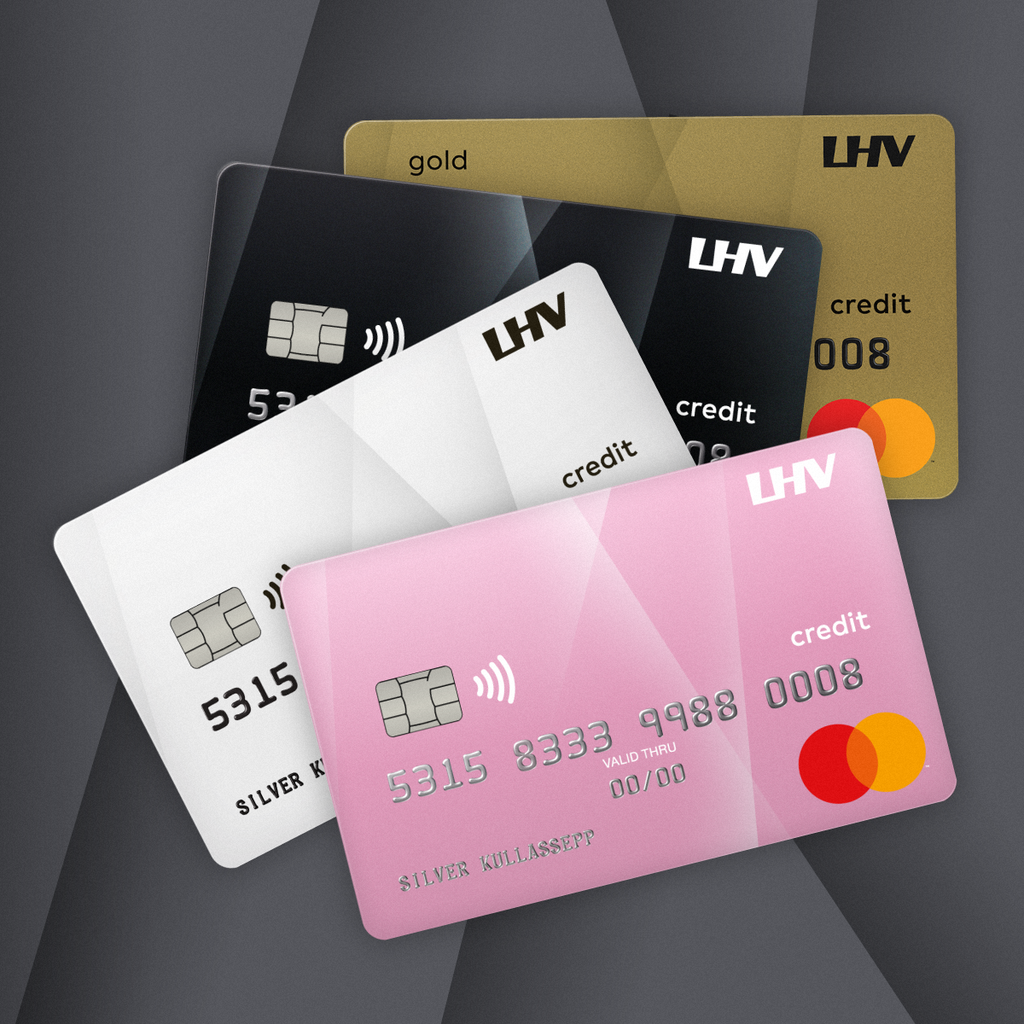
Both cash and cards are useful, but neither should be your only payment method.
Using Cash
Cash is useful for smaller purchases, local markets, tips, and places where card payments are unavailable.
Advantages include:
- Convenient for small transactions.
- Useful for tips.
- Accepted by many local businesses.
- Does not depend on internet connectivity or card terminals.
However, travellers should avoid carrying unnecessarily large amounts of cash.
Keep your money secure and divide it between suitable storage locations.
Using Credit and Debit Cards
Major credit and debit cards, particularly Visa and Mastercard, are accepted by many hotels, lodges, and larger tourism businesses.
However, card acceptance varies between establishments.
Before travelling, ask your bank about:
- International transaction fees.
- Foreign currency conversion charges.
- Daily withdrawal limits.
- International card usage.
- Emergency card replacement procedures.
Some tourism businesses may also apply a card processing surcharge. Confirm the final payment amount before completing your transaction.
Is Mobile Money Useful for International Visitors?
Tanzania has mobile money services, but some systems require local registration or other arrangements.
International visitors should not assume that every mobile payment service will be available to them.
For most tourists, cash and internationally enabled bank cards are the simplest options.
5. How Much Money Should I Bring for Different Safari Durations?
The longer your safari, the more opportunities you may have for personal spending.
However, your daily spending may remain relatively low when meals, accommodation, transportation, and activities are included.
The following table provides suggested personal spending budgets:
| Safari duration | Suggested extra budget per person |
|---|---|
| 1-day safari | $20–$60 |
| 2-day safari | $40–$120 |
| 3-day safari | $60–$180 |
| 4-day safari | $80–$240 |
| 5-day safari | $100–$300 |
| 7-day safari | $140–$420 |
These figures are illustrative planning ranges, not required spending amounts. They assume that your main safari package is already paid for and includes the advertised meals, accommodation, transport, and park charges.
If you are travelling with children, planning special activities, or purchasing souvenirs, your personal budget may be different.
6. Do I Need Extra Money for Park Fees During a Tanzania Safari?
Many organized Tanzania safari packages include applicable national park entrance and conservation fees.
However, this depends on the specific package and the operator’s quotation.
For example, a safari visiting Tarangire National Park, Serengeti National Park, and Ngorongoro Conservation Area may involve several different charges.
Before booking, ask your tour operator to confirm:
- National park entrance fees.
- Conservation fees.
- Vehicle-related charges.
- Applicable taxes.
- Accommodation-related protected-area charges.
- Any additional mandatory fees.
If these charges are already included in your confirmed package, you should not need to prepare additional money for the same items.
Always request a clear written list of included and excluded services.
7. How Much Money Do I Need for Optional Activities?
Tanzania offers several additional experiences that can make your holiday even more memorable.
Some activities are included in specific safari packages, while others are optional and require separate payment.
Hot Air Balloon Safari in Serengeti
A hot air balloon safari is a popular optional experience in selected Serengeti locations.
It allows travellers to observe the landscape and wildlife from above during an early morning flight.
Prices vary by operator, location, and season. A planning allowance of approximately $550–$650 per person may be appropriate, but travellers should obtain a current quotation before booking.
Cultural Experiences
Visitors may also choose to learn about local communities and cultural traditions.
Depending on the experience, this may involve village visits, cultural demonstrations, or guided activities.
Check whether the activity is included in your itinerary or requires an additional payment.
Photography and Special Experiences
Some travellers arrange specialized wildlife photography experiences, private guides, or additional excursions.
These services may increase the overall travel budget depending on the arrangements.
If you are interested in a particular activity, it is best to discuss it with your safari operator before departure.
8. Where Can I Exchange Money in Tanzania?
International visitors can exchange foreign currency through authorized banks and licensed foreign exchange bureaus.
Major towns such as Arusha, Moshi, and Dar es Salaam have financial institutions where travellers can obtain local currency.
You can also use ATMs to withdraw Tanzanian shillings using compatible international bank cards.
For convenience and security:
- Use authorized exchange providers.
- Check the exchange rate before completing a transaction.
- Avoid exchanging large amounts at unofficial locations.
- Keep your exchange receipts.
- Be aware of ATM withdrawal fees.
- Inform your bank before international travel.
Avoid exchanging money with unauthorized individuals offering attractive rates.
9. Is Tanzania Safe for Carrying Cash During a Safari?
Travelling with cash in Tanzania is generally manageable when you follow sensible precautions.
As with other international destinations, travellers should take care of their money and personal belongings.
Here are some practical recommendations:
- Avoid displaying large amounts of cash in public.
- Keep important documents and extra money in secure storage.
- Use hotel safes where available.
- Carry only the amount needed for daily activities.
- Keep bank cards separate from your main cash.
- Be careful when withdrawing money from ATMs.
- Keep emergency contact information accessible.
During a multi-day safari, ask your lodge about secure storage facilities if you need to leave valuables behind.
Your safari guide can also advise you about practical arrangements at different destinations.
10. Practical Money Tips Before Travelling to Tanzania
Preparing your money before arriving can make your holiday easier.
1. Pay your safari package through an agreed payment method.
Confirm the total price, deposit, remaining balance, and accepted currencies with your tour operator.
2. Carry a combination of cash and cards.
Having alternative payment methods is useful in case one option is unavailable.
3. Prepare money for tips separately.
Decide how much you are comfortable giving for good service.
4. Keep emergency funds.
It is sensible to have some money available for unexpected expenses.
5. Check your bank’s international fees.
Understand ATM charges and foreign transaction costs before departure.
6. Confirm which services are included.
This prevents you from bringing money for expenses that have already been covered by your safari package.