What Should I Expect on My First Tanzania Safari Game Drive?
Going on your first Tanzania safari is an exciting experience. For many travellers, it is their first opportunity to see wild animals such as lions, elephants, giraffes, zebras, leopards, and buffaloes in their natural environment.
However, before travelling, you may wonder what actually happens during a safari game drive. What time does it start? How long does it last? Will you see animals immediately? What should you bring?
A Tanzania safari game drive is an organised wildlife-viewing experience conducted in a safari vehicle with a professional guide. You travel through national parks and protected areas, looking for wildlife while learning about animal behaviour, habitats, and the natural environment.
Whether you are visiting Serengeti National Park, Ngorongoro Crater, Tarangire National Park, or Lake Manyara, your first game drive can become one of the most memorable parts of your African holiday.
In this guide, Pale Tours explains what first-time visitors should expect during a Tanzania safari game drive.
1. What Is a Tanzania Safari Game Drive?
A game drive is an activity where visitors explore a national park or wildlife conservation area in a safari vehicle to observe animals in their natural habitat.
Unlike a traditional zoo, animals are not kept in enclosed viewing areas. They move freely across large natural landscapes.
During a game drive, you may encounter:
- Elephants
- Lions
- Giraffes
- Zebras
- Wildebeest
- Buffaloes
- Hippos
- Hyenas
- Leopards
- Various bird species
Animal sightings are never guaranteed because wildlife moves freely. However, Tanzania’s national parks offer excellent opportunities to experience African wildlife.
2. What Time Does the First Game Drive Start?
Most Tanzania safari game drives begin early in the morning, although the exact departure time depends on your itinerary and accommodation.
A typical morning game drive may begin around 6:00 AM or 6:30 AM.
Early morning is a popular time for wildlife viewing because temperatures are generally cooler, and some animals are more active.
Depending on your safari schedule, you may also enjoy afternoon game drives or full-day wildlife excursions.
Your guide will explain the daily schedule and recommend suitable departure times based on the park and wildlife-viewing opportunities.
3. What Happens When You Enter a National Park?
Before entering a national park, your safari guide usually handles the required entry arrangements and procedures.
Once the necessary formalities are completed, you can begin exploring the park.
Your guide will drive along designated roads and routes while looking for animals and interesting wildlife activity.
During the journey, you may stop to observe animals, take photographs, and learn about the surrounding environment.
Each national park offers a different landscape and wildlife experience. For example:
- Serengeti National Park: Famous for large open plains, lions, cheetahs, and the Great Wildebeest Migration.
- Ngorongoro Crater: Known for its remarkable concentration of wildlife within a volcanic caldera.
- Tarangire National Park: Famous for large elephant herds and impressive baobab trees.
- Lake Manyara National Park: Known for its diverse habitats, birdlife, and tree-climbing lions.
4. Will I See Animals Immediately During My First Game Drive?
Not necessarily. Wildlife viewing requires patience because animals move freely throughout the national parks.
Sometimes you may see elephants, zebras, giraffes, or antelopes shortly after entering the park. On other occasions, your guide may need to explore different areas before finding particular animals.
Your guide uses experience, knowledge of the park, and observations of the environment to look for wildlife.
Remember that a safari is not only about seeing the Big Five. Smaller animals, birds, beautiful landscapes, and interesting animal behaviour can also make your experience special.
5. Which Animals Can I Expect to See on My First Tanzania Safari?
Tanzania is home to an impressive variety of wildlife, and the animals you encounter depend on the national park, season, and location.
Some commonly seen animals include:
Elephants
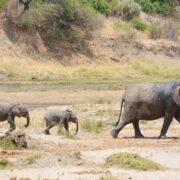
Elephants are among the most impressive animals you may encounter. Tarangire National Park is particularly well known for its elephant population.
Lions
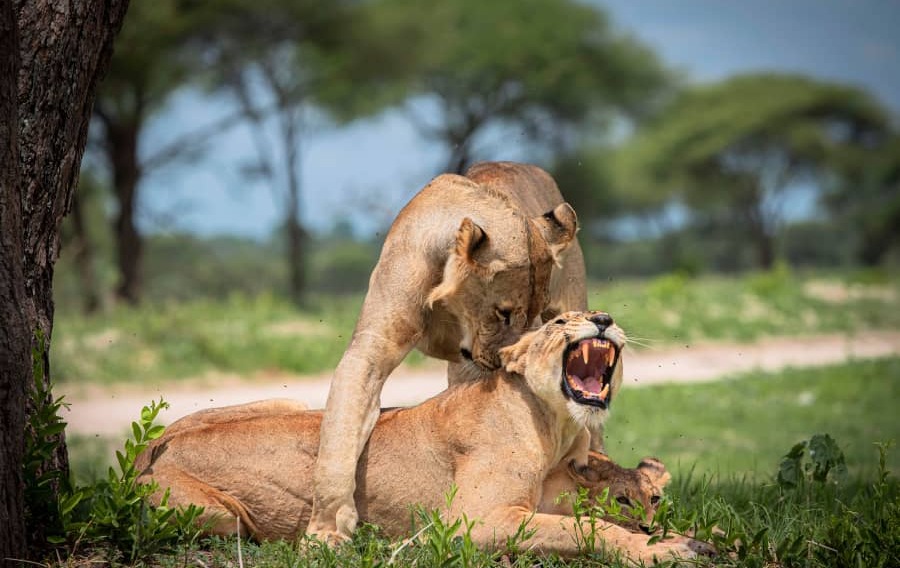
Lions are among the most popular animals for safari visitors. You may see them resting under trees, walking through grasslands, or observing their surroundings.
Giraffes
Giraffes are frequently seen feeding on trees or moving across open landscapes.
Zebras
Zebras are commonly found in grasslands and open plains, often moving in groups.
Wildebeest
Wildebeest are famous for their large seasonal movements across the Serengeti ecosystem.
Leopards
Leopards are beautiful but often difficult to spot because they are naturally secretive and may rest in trees or dense vegetation.
Buffaloes
Buffaloes are often seen in herds, grazing in grasslands or gathering near water sources.
Although Tanzania is home to the Big Five, seeing all five animals during one safari is not guaranteed.
6. What Is the Safari Vehicle Like?
Most Tanzania wildlife safaris use specially designed 4×4 safari vehicles.
A popular choice is the Toyota Land Cruiser with a pop-up roof.
The vehicle is designed to travel through different terrain and provide opportunities for wildlife viewing.
Depending on the vehicle, facilities may include:
- Comfortable passenger seats
- Pop-up roof for wildlife viewing
- Large windows
- Charging facilities
- Storage space
- Drinking water arrangements
The pop-up roof allows passengers to stand or sit while observing animals and taking photographs.
On shared group safaris, passengers share the vehicle with other travellers. Private safaris offer a vehicle reserved for your travelling party.
7. Can I Take Photos During a Game Drive?
Yes. Photography is one of the most enjoyable parts of a Tanzania safari.
You can take photographs of wildlife, landscapes, birds, and other interesting moments throughout your game drive.
Here are some useful photography tips:
- Keep your camera or phone ready.
- Use a zoom lens when photographing animals from a distance.
- Avoid sudden movements that may disturb wildlife.
- Listen to your guide’s instructions.
- Protect your equipment from dust and rain.
- Be patient when waiting for good photography opportunities.
You do not need an expensive camera to enjoy safari photography. A smartphone can also capture wonderful memories.
8. Can the Safari Guide Stop the Vehicle When We See Animals?
Yes. Your guide can stop at appropriate places when wildlife is spotted, provided it is safe and permitted under park regulations.
This gives you time to observe animals, take photographs, and learn about their behaviour.
For example, if you encounter a group of elephants crossing the road, your guide may stop at a suitable distance to allow you to watch them.
However, guides must follow wildlife-viewing rules and avoid disturbing animals.
9. How Long Does a Tanzania Safari Game Drive Last?
The duration of a game drive depends on your itinerary and the type of safari you book.
A morning game drive may last approximately three to four hours, while a full-day game drive can take most of the day.
Some safaris include:
- Morning game drives
- Afternoon game drives
- Full-day game drives with a picnic lunch
- Multiple game drives over several days
On a multi-day safari, your daily schedule will depend on the national parks you visit and the distance between accommodation and wildlife-viewing areas.
10. Do We Take Lunch During a Game Drive?
Yes. Many multi-day Tanzania safari packages include lunch arrangements during game drives.
For a full-day game drive, your safari guide may take you to a designated picnic area where you can enjoy your packed lunch.
Depending on the package, lunch may include rice, chicken, vegetables, fruit, sandwiches, and drinking water.
If you are staying at a lodge, some itineraries may include returning to the accommodation for lunch instead.
Your tour operator should explain the meal arrangements before your safari begins.
11. What Should I Wear During My First Game Drive?
Comfortable clothing is important because you may spend several hours inside the safari vehicle.
Consider wearing:
- Lightweight trousers
- Comfortable T-shirts
- Long-sleeved shirts
- Comfortable shoes
- A hat or cap
- Sunglasses
- A warm jacket for early mornings
Neutral colours such as khaki, brown, beige, and green are practical choices for safari clothing.
Avoid packing only light clothing because early mornings and evenings can be cool, especially in higher-altitude destinations.
12. What Should I Bring on My First Game Drive?
You do not need to carry too many things during a game drive.
Some useful essentials include:
- Camera or smartphone
- Binoculars
- Sunglasses
- Sunscreen
- Hat
- Drinking water
- Personal medication
- Power bank
- Light jacket
- Small daypack
Keep valuable items secure and follow your guide’s instructions when observing wildlife.
13. Is It Safe to Go on a Tanzania Safari Game Drive?
Game drives are organised activities conducted under national park regulations and wildlife-viewing guidelines.
Your professional safari guide is responsible for driving safely, following park rules, and helping you observe wildlife appropriately.
For your safety:
- Remain inside the vehicle unless your guide permits you to leave at designated areas.
- Do not feed wild animals.
- Do not shout or make unnecessary noise near wildlife.
- Avoid sudden movements around animals.
- Follow your guide’s instructions.
- Never approach or attempt to touch wild animals.
Wild animals are unpredictable, so maintaining a safe distance is important.
14. Is a Private or Group Safari Better for First-Time Visitors?
Both private and group safaris can be suitable for first-time visitors to Tanzania.
Private Safari
A private safari is ideal for travellers who prefer privacy and greater flexibility.
You travel with your own safari vehicle and guide, allowing you to discuss your interests and preferred game-drive schedule.
This option is popular with couples, families, photographers, and small groups.
Shared Group Safari
A shared group safari is a more affordable option because travellers share the vehicle and some operating costs.
It is also an opportunity to meet other international visitors who share an interest in wildlife and adventure.
The best option depends on your budget, travel style, and preferred level of flexibility.
15. What Makes a Tanzania Safari Game Drive Special?
A Tanzania safari is different from many other travel experiences because every game drive is unique.
You never know exactly what you will see or what animals will be doing when you arrive.
You might watch elephants walking across the plains, lions resting under a tree, giraffes feeding, or thousands of wildebeest moving through the Serengeti.
Beyond wildlife, you can enjoy beautiful landscapes, African sunsets, birdlife, and the peaceful atmosphere of the wilderness.
For many first-time visitors, these moments become unforgettable travel memories.
Frequently Asked Questions About Your First Tanzania Safari Game Drive
1. Do I need previous safari experience before going on a game drive?
No. Tanzania safaris are suitable for first-time visitors. Your guide will explain the activities, safety rules, and what to expect during the journey.
2. What time should I wake up for a morning game drive?
Morning game drives often begin around 6:00 AM or 6:30 AM, depending on your accommodation and itinerary.
3. Can I see the Big Five on my first Tanzania safari?
It is possible to see several or even all of the Big Five, but sightings are never guaranteed. Wildlife movements and park conditions influence your experience.
4. Can I use my phone to take pictures during a game drive?
Yes. Smartphones are useful for taking photographs and videos. Binoculars and cameras with zoom lenses can help you observe animals from a distance.
5. Can children join a Tanzania safari game drive?
Yes. Many safari operators organise family-friendly safaris. The best itinerary depends on the children’s ages, interests, and travel requirements.
6. Do safari guides speak English?
Many Tanzania safari operators provide English-speaking guides. Other language options may also be available depending on the company and guide availability.
7. Can I ask my safari guide to stop for photographs?
Yes. You can communicate your photography interests to your guide. Stops must be made in suitable locations and in accordance with park regulations.
8. Is one game drive enough to experience Tanzania’s wildlife?
One game drive can provide wonderful wildlife encounters, but a multi-day safari generally gives you more opportunities to explore different areas and observe a wider variety of animals.
Recent Posts
What Is the Difference Between Serengeti and Ngorongoro?