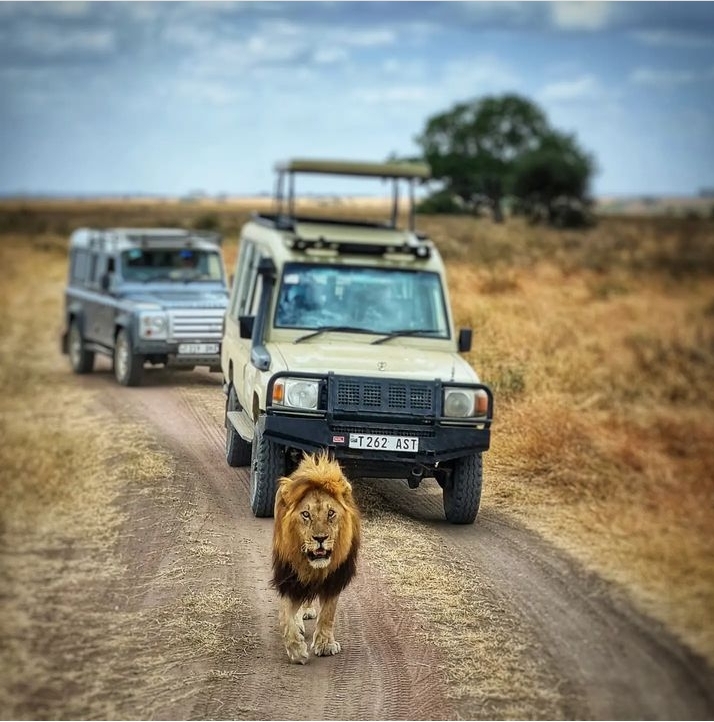
How to Choose the Right Safari Tour Operator in Tanzania
Key Factors to Consider When Choosing a Safari Tour Operator
1. Experience and Reputation
Look for a tour operator with a strong track record and positive customer reviews. Experienced operators have in-depth knowledge of Tanzania’s national parks, wildlife behavior, and the best safari routes throughout the year.
2. Quality of Safari Guides
A professional guide can transform your safari experience. Knowledgeable guides help spot wildlife, explain animal behavior, share local insights, and ensure your safety throughout the journey.
3. Vehicle Condition and Safety
Safari vehicles should be well-maintained, comfortable, and equipped for game viewing. Ask whether the vehicles have pop-up roofs, charging ports, refrigeration, radio communication, and regular maintenance checks.
4. Accommodation Options
Different travelers have different preferences and budgets. Choose an operator that offers accommodation options ranging from camping safaris to mid-range lodges and luxury tented camps.
5. Transparent Pricing
A trustworthy operator provides clear and detailed quotations showing what is included and excluded. Always confirm whether park fees, accommodation, meals, transfers, and activities are covered in the price.
6. Customization and Flexibility
The best safari operators can tailor itineraries to suit your interests, travel dates, budget, and preferred destinations. Whether you want to focus on wildlife, culture, photography, or relaxation, flexibility is important.
7. Safety Standards
Ensure the company follows proper safety procedures, carries necessary permits, and has emergency protocols in place. Safety should always be a top priority, especially in remote safari areas.
8. Communication and Customer Service
Choose a company that responds quickly to inquiries and provides clear information before and during your trip. Good communication is often a sign of professional service.
9. Local Knowledge
Local operators often have firsthand knowledge of wildlife movements, seasonal migrations, road conditions, and hidden gems that can enhance your safari experience.
10. Responsible Tourism Practices
Consider operators that support wildlife conservation, local communities, and sustainable tourism initiatives. Responsible travel helps protect Tanzania’s natural heritage for future generations.
Final Thoughts
When choosing a safari tour operator, don’t focus solely on price. Consider the company’s reputation, guide expertise, vehicle quality, safety standards, accommodation options, and level of customer service. The right operator will help create an unforgettable safari experience and allow you to explore Tanzania’s incredible wildlife with confidence.
Budgeting for Your Safari Experience
1. Determine Your Overall Budget
Start by deciding how much you are willing to spend on your safari. Consider not only the safari itself but also international flights, visas, travel insurance, tips, and personal expenses.
2. Choose the Right Safari Style
Safari costs vary depending on the level of comfort you prefer:
- Budget Safaris: Camping or basic lodges with shared facilities.
- Mid-Range Safaris: Comfortable lodges and tented camps with private amenities.
- Luxury Safaris: High-end lodges, exclusive camps, and premium services.
3. Consider the Length of Your Safari
The number of days you spend on safari significantly impacts the cost. While shorter safaris are more affordable, longer safaris provide more opportunities to explore multiple parks and enjoy wildlife viewing.
4. Travel During the Right Season
Peak travel seasons often come with higher prices for accommodation and park activities. Traveling during the shoulder or low season can offer excellent wildlife experiences at more affordable rates.
5. Understand What’s Included
Before booking, carefully review what is included in the safari package:
- Park entry fees
- Accommodation
- Meals
- Transportation
- Professional guide services
- Airport transfers
- Drinking water during game drives
Knowing what is included helps you avoid unexpected expenses.
6. Budget for Additional Activities
You may wish to add experiences such as:
- Hot air balloon safaris
- Cultural village visits
- Walking safaris
- Night game drives
- Zanzibar beach extensions
These activities can enhance your trip but should be factored into your budget.
7. Don’t Forget Tips and Personal Expenses
Many travelers budget for guide and camp staff tips, souvenirs, beverages, laundry services, and optional activities. Setting aside extra funds ensures a more comfortable experience.
8. Compare Value, Not Just Price
The cheapest safari is not always the best option. Consider the quality of accommodations, guide experience, vehicle condition, and overall service when evaluating different safari packages.
9. Book in Advance
Booking early can provide access to better accommodation options and more competitive rates, especially during popular travel periods such as the Great Migration season.
Understanding Safari Itineraries and Offers
hoosing the right safari itinerary is essential for making the most of your Tanzania adventure. With a wide range of safari packages available, understanding what is included and how different itineraries are structured can help you select the experience that best matches your interests, budget, and travel style.
What Is a Safari Itinerary?
A safari itinerary is a detailed plan of your journey, outlining the destinations you will visit, activities included, accommodation arrangements, transportation, and the duration of your trip. A well-designed itinerary ensures a smooth and enjoyable safari experience while maximizing wildlife viewing opportunities.
Understanding Safari Package Offers
Safari offers can vary significantly between tour operators. Before booking, carefully review what is included and excluded in the package price.
Common Inclusions
- National park entry fees
- Accommodation during the safari
- Meals as specified in the itinerary
- Professional safari guide
- Transportation in a safari vehicle
- Game drives
- Drinking water during safari activities
Common Exclusions
- International and domestic flights
- Travel insurance
- Visa fees
- Personal expenses
- Tips for guides and lodge staff
- Optional activities such as hot air balloon safaris or cultural tours
Choosing the Right Safari Duration
The length of your safari can greatly influence your experience.
Short Safaris (2–4 Days)
Ideal for travelers with limited time. These itineraries often include popular destinations such as Tarangire National Park, Ngorongoro Crater, and Lake Manyara National Park.
Medium-Length Safaris (5–7 Days)
Offer a more complete wildlife experience and usually include visits to Serengeti National Park along with other northern circuit destinations.
Extended Safaris (8+ Days)
Perfect for travelers seeking a comprehensive adventure, allowing time to explore multiple parks, witness the Great Migration, and enjoy cultural experiences.
Evaluating Accommodation Options
Safari packages typically fall into three categories:
- Budget: Camping sites and basic lodges.
- Mid-Range: Comfortable lodges and tented camps with private facilities.
- Luxury: Premium lodges, luxury tented camps, and exclusive safari experiences.
Choose accommodation that aligns with your comfort preferences and budget.
Consider Seasonal Wildlife Experiences
Different seasons offer unique safari opportunities:
- June to October: Excellent wildlife viewing and dry conditions.
- December to March: Calving season in the southern Serengeti.
- July to September: Great Migration river crossings in northern Serengeti.
- April and May: Green season with fewer visitors and attractive rates.
Compare More Than Just Price
When reviewing safari offers, consider:
- Guide experience and qualifications
- Vehicle quality and comfort
- Accommodation standards
- Included activities
- Company reputation and reviews
- Safety standards and customer service
A slightly higher-priced safari may provide significantly better value and overall experience.
Ask Questions Before Booking
Before confirming your reservation, ask:
- Is the safari private or shared?
- Which accommodations are included?
- Are park fees included in the quoted price?
- What vehicle will be used?
- What is the cancellation policy?
- Are there any additional costs not listed?
Final Thoughts
Understanding safari itineraries and offers helps you make an informed decision and avoid surprises during your trip. By carefully reviewing inclusions, accommodations, destinations, and overall value, you can choose a safari that delivers an unforgettable wildlife experience while staying within your budget. Tanzania’s spectacular national parks, diverse wildlife, and breathtaking landscapes ensure that every safari becomes a journey to remember
Why Customer Service Matters
A safari involves many moving parts, including transportation, accommodations, park permits, and daily activities. A professional tour operator with strong customer service helps ensure everything runs smoothly while providing assistance whenever needed.
1. Response Time and Communication
Pay attention to how quickly the operator responds to your inquiries. A reliable company should provide timely, clear, and professional answers to your questions about itineraries, pricing, accommodations, and travel logistics.
Signs of Good Communication:
- Prompt replies to emails and messages
- Clear and detailed information
- Friendly and professional attitude
- Willingness to answer all questions
2. Knowledge and Expertise
Customer service representatives should be knowledgeable about safari destinations, wildlife experiences, accommodation options, and travel requirements. Their expertise helps you make informed decisions and build confidence in your booking.
3. Personalization and Flexibility
Every traveler has different interests and expectations. A quality tour operator takes the time to understand your preferences and can customize an itinerary to match your needs, budget, and travel style.
Look for operators who:
- Offer tailored safari experiences
- Suggest suitable destinations based on your interests
- Adapt itineraries when possible
- Accommodate special requests
4. Transparency and Honesty
Trustworthy operators provide clear information regarding pricing, inclusions, exclusions, cancellation policies, and any potential additional costs. Transparency helps prevent misunderstandings and unexpected expenses.
5. Problem-Solving Ability
Travel plans can occasionally change due to weather conditions, flight delays, or other unforeseen circumstances. A professional operator should be proactive, flexible, and capable of resolving issues efficiently while keeping you informed.
6. Customer Reviews and Testimonials
Reading reviews from previous travelers can provide valuable insight into the company’s customer service. Look for comments regarding:
- Communication quality
- Professionalism
- Reliability
- Responsiveness
- Overall satisfaction
Consistent positive feedback is often a strong indicator of excellent service.
7. Support Before, During, and After the Safari
Exceptional customer service extends beyond the booking process. A reputable operator should provide assistance throughout your journey, including:
- Pre-trip planning and advice
- Airport transfers and arrival support
- Assistance during the safari
- Follow-up communication after the trip
8. Professionalism and Attention to Detail
The way a company presents itineraries, quotations, travel documents, and trip information often reflects its level of professionalism. Well-organized operators typically deliver a smoother travel experience.
Questions to Ask Before Booking
What happens if there are changes to the itinerary?
How quickly do you respond to inquiries?
Can the itinerary be customized?
What support is available during the safari?
Who should I contact in case of an emergency?
Recent Posts
What to Do in Moshi After Climbing Mount Kilimanjaro

Whats can your do in moshi for 2 days ?