Here’s a clear guide to the best repellents for bugs and tsetse flies on Tanzanian safaris — what works, what doesn’t, and what to bring with you:
- Key Things to Know First
% Tsetse flies are common in places like Tarangire and some wooded areas in the Serengeti. There is no repellent that fully prevents tsetse fly bites, because these flies can bite through light clothing and are not strongly deterred by standard repellents. Protection is mainly through clothing choices and behavior, not just sprays.
% Mosquitoes are a more common concern for disease (e.g., malaria) and are effectively repelled with the right products.
- Most Effective Repellents for Mosquitoes & Safari Bugs
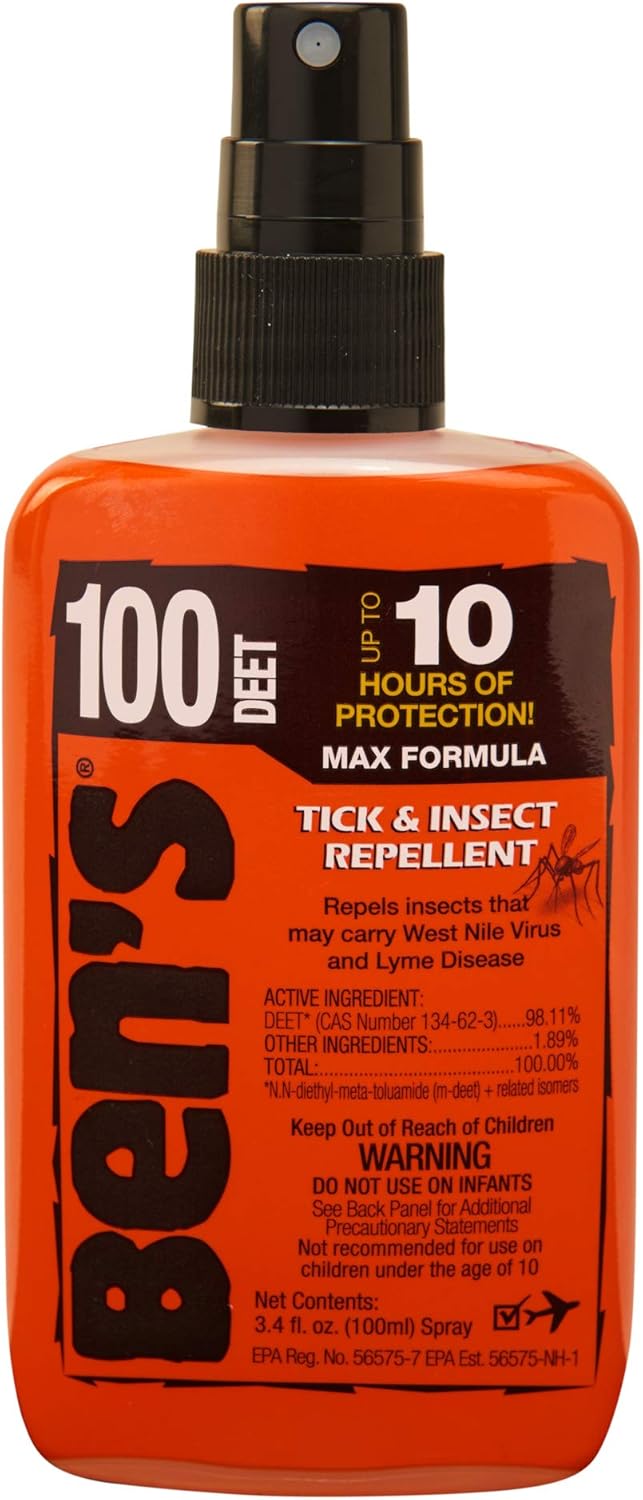
- DEET-based repellents
- DEET is widely recommended for safari use and is very effective against mosquitoes and biting flies. Concentrations around 20–30% DEET are usually ideal for all‑day protection.
- Picaridin repellents
- Picaridin is a good alternative to DEET — less greasy, milder scent, similar effectiveness.
- Oil of Lemon Eucalyptus (OLE) / PMD
- A plant‑based option with good protection against mosquitoes (less lasting than DEET/picaridin but suitable if you prefer a natural repellent).
- Permethrin
- Not for skin — used to treat clothing and gear. Very effective at deterring mosquitoes and biting insects when applied to clothes/gear before your safari.
- What Won’t Really Work for Tsetse Flies
% Standard insect sprays (DEET, picaridin, natural repellents) are generally not highly effective against tsetse flies. Their bites can go through light fabrics, and repellents only provide limited protection.
- Clothing & Behavior Tips (Best Protection for Tsetse)
- Wear long sleeves and long pants — reduces exposed skin for bites.
- Choose neutral/light colors (khaki, beige, olive) — avoid dark blue and black which attract tsetse.
- Keep vehicle windows up when driving through tsetse‑infested areas. Thomson Safaris
- How to Use Repellents Safely
- Apply repellent to exposed skin and reapply according to instructions.
- If using both sunscreen and insect repellent, apply sunscreen first, let it absorb, then apply repellent.
- Permethrin treated clothing is a great complement to skin repellents (but never apply permethrin directly to skin).
Quick Picks (Examples of Good Repellents to Look For)
Here are some recommended repellent types you can look for to bring with you:
- DEET sprays — good all‑around protection against mosquitoes and biting flies
- Picaridin sprays/lotions — similar effectiveness, nicer feel for skin
- OLE/PMD repellents — natural option with decent protection
- Permethrin spray — for treating clothes/gear before your trip
✅ In summary:
- For mosquitoes, use a repellent with DEET or picaridin — these are effective and long‑lasting.
- For tsetse flies, repellents help somewhat, but the biggest protection is appropriate clothing and minimizing exposure.
- Treating clothing/gear with permethrin and wearing light neutral colors gives you extra bite protection.